Professional Field and Husbandry Experience
Critically Endangered Monarch Incubation and Chick-Rearing Lead
Société d'Ornithologie de Polynésie (MANU)
CHICK REARING SPECIALIST/ RESEARCH ASSISTANT I
San Diego Zoo Wildlife Alliance, Mariana Crow Recovery Project
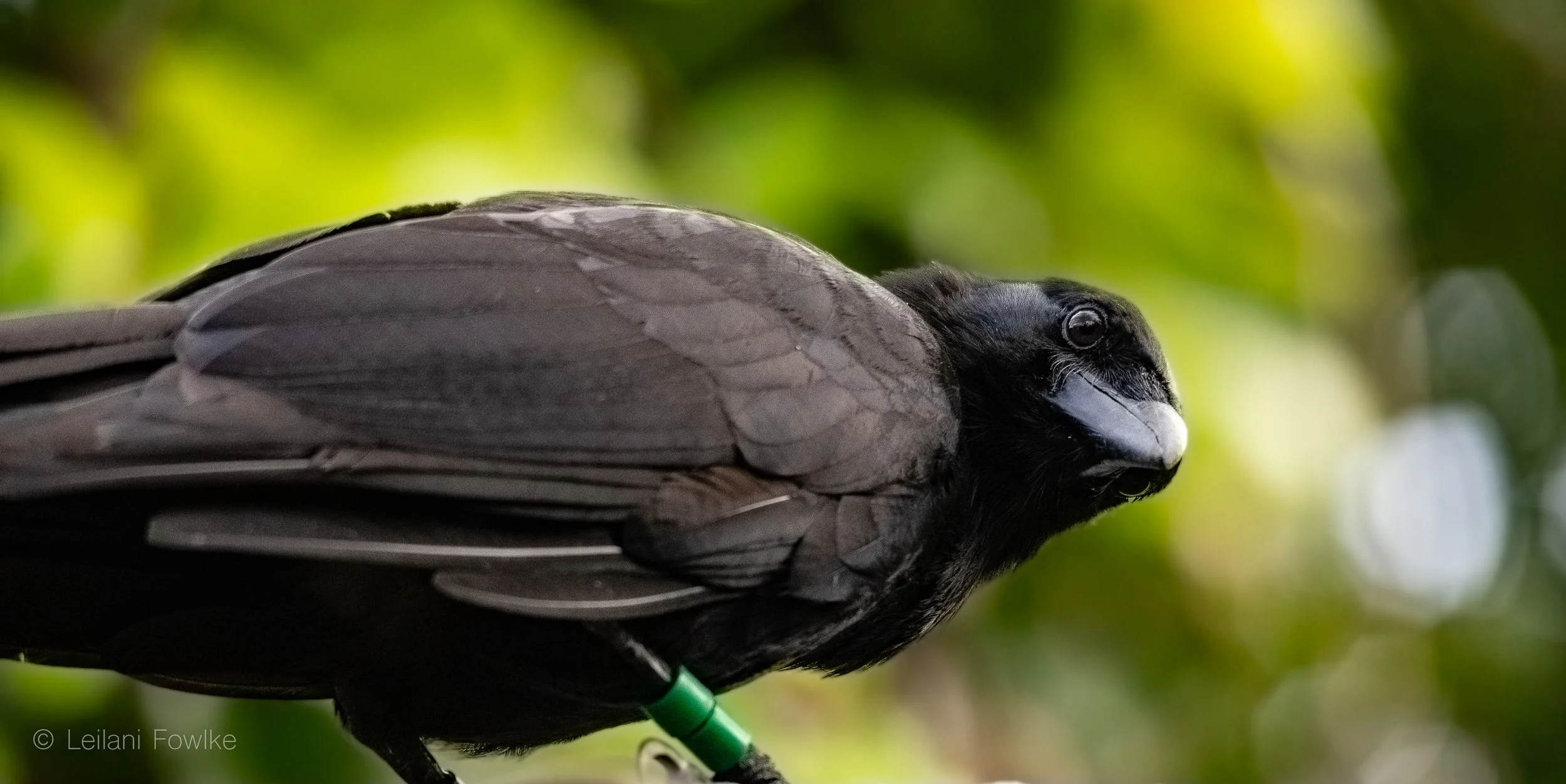
I had the privilege of working on the Mariana Crow Recovery Project with the San Diego Zoo Wildlife Alliance, where every individual bird carries real weight.
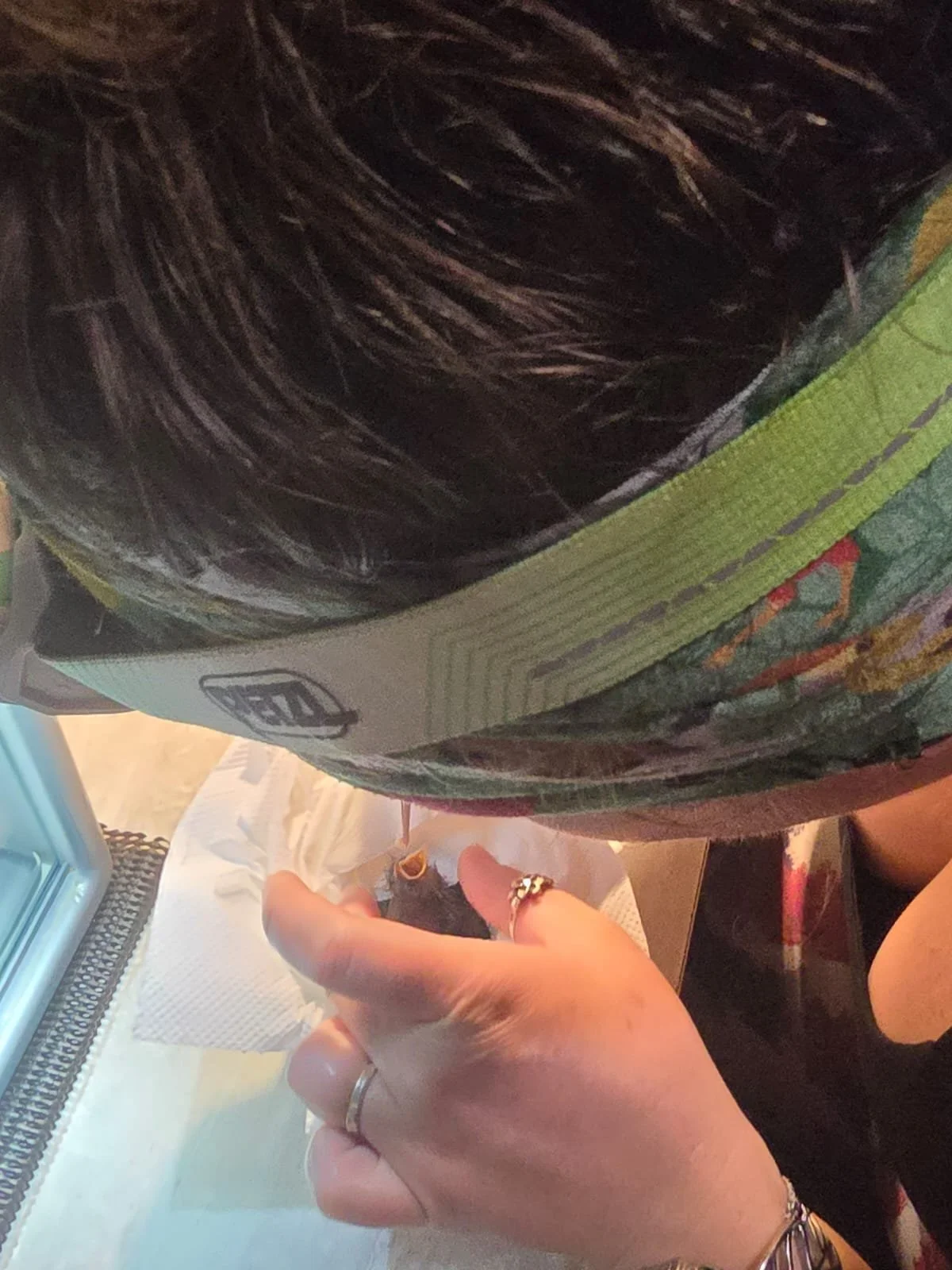
I was part of a small team responsible for rearing the Mariana Crow, or Aga, a critically endangered species found only in the Northern Mariana Islands. My work spanned the entire early life cycle, beginning with artificial egg incubation where I monitored development through careful turning, weighing, and candling, and continuing into intensive hand-rearing once chicks hatched. Inside temperature- and humidity-controlled AICUs, I carried out medical treatments, including injections and fluid therapy, and used puppet-feeding techniques to support natural behavioral development while ensuring the chicks received the care they needed to survive.
As the chicks grew and became capable of regulating their own body temperature, they were moved outdoors. This was easily my favorite stage, where I helped guide them through the complicated process of becoming wild birds. That meant teaching them to feed independently, recognize and catch live prey, and develop the skills they would need to survive after release.
A lot of the work happened in the details. I prepared specialized diets using a mix of wild-caught and imported food, maintained strict sanitation protocols to protect highly vulnerable individuals, helped construct and maintain aviaries, and worked with non-releasable birds on behavioral training that supported the broader recovery program. I also contributed to refining incubation and chick-rearing protocols, where small improvements can have an outsized impact when working with a species this close to extinction.
What made the experience especially meaningful was the team. I worked alongside an incredibly skilled and supportive group, including Phil Hannon and Rachael Kaiser, where collaboration, precision, and a shared commitment to the species shaped everything we did.
It was meticulous, hands-on, and deeply rewarding work. The kind that reminds you conservation is often built on quiet, careful effort, and that getting things right for even a few individuals can help change the trajectory of an entire species.
AVICULTURIST II
Monterey Bay Aquarium
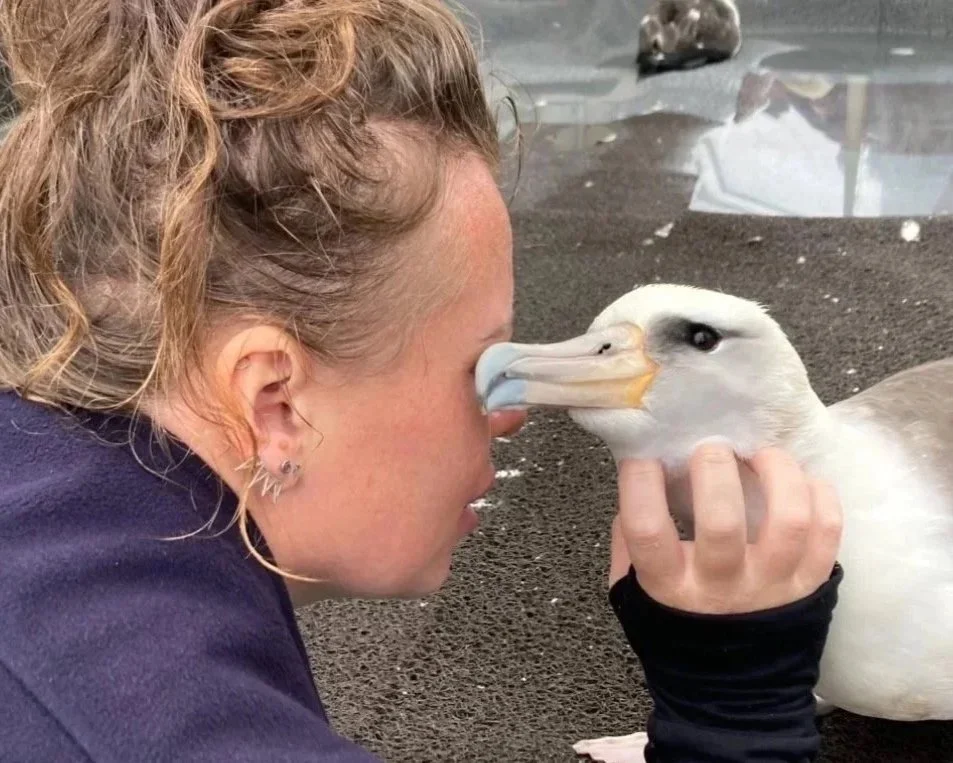
During my time at the Monterey Bay Aquarium, I served as the lead for the Seabird Exhibit, led Aviculture Research efforts, and was brought in as a consultant for egg incubation, chick-rearing, and avian behavioral challenges.
As the lead of the seabird colony, much of my work focused on reducing stress and improving welfare through training. I worked closely with Tufted Puffins and Common Murres, training them to voluntarily step onto scales for routine weights and to enter crates for transport. These may seem like small behaviors, but they fundamentally changed how we cared for the birds. Passive weights allowed us to monitor individual health without handling, and voluntary crating significantly reduced the risk of injury or stress during necessary movements or veterinary care. In a colony setting, those improvements ripple outward, benefiting not just individuals but the entire group. I also focused on refining chick-rearing practices. One of the tools I developed was a diet calculator that determined how much each chick should be fed based on its previous weight and intake. This allowed for more precise, responsive feeding and reduced the risk of complications like overfeeding and compaction. It turned what is often an intuitive process into something far more consistent and data-driven, improving outcomes across the board.
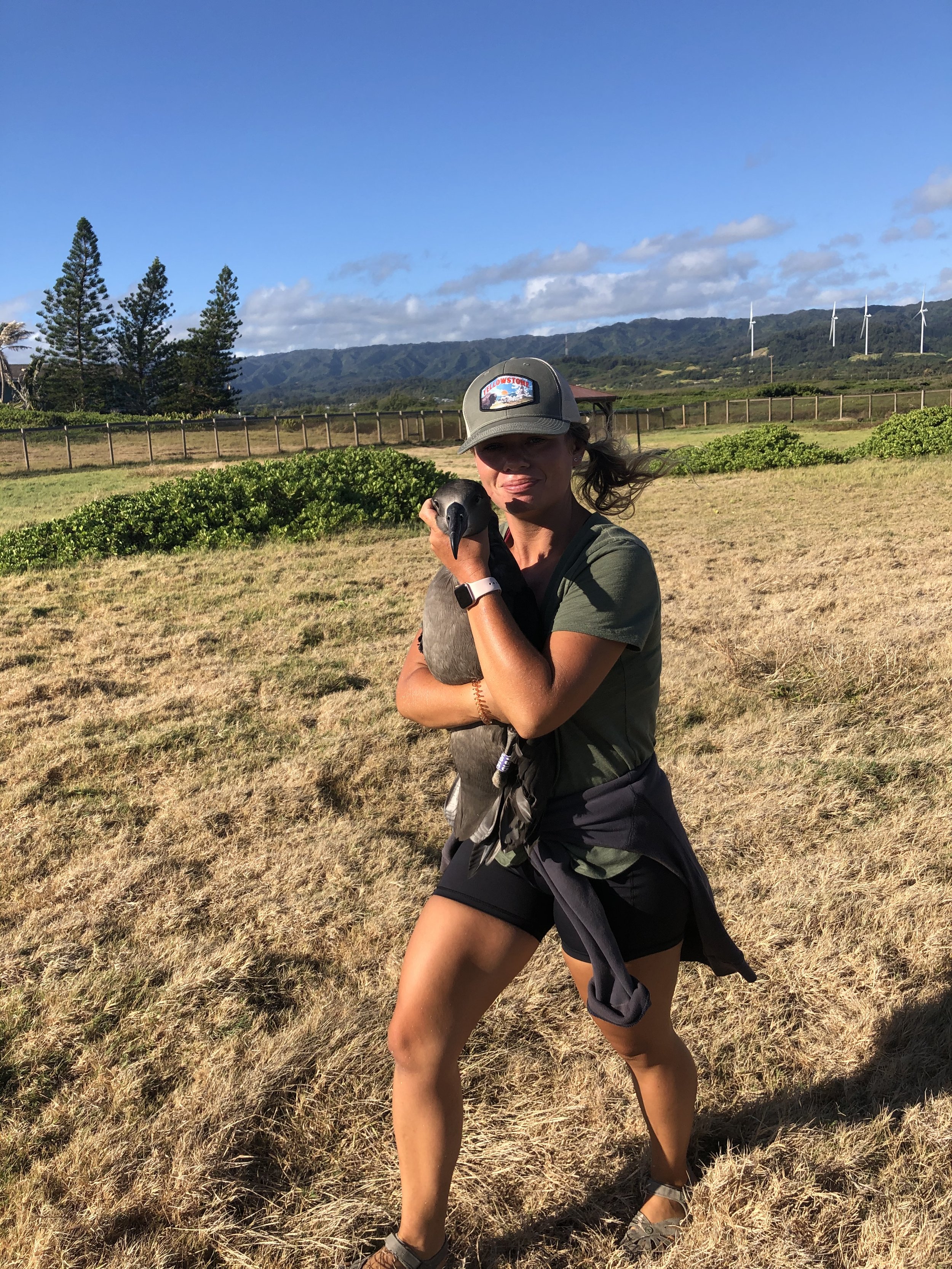
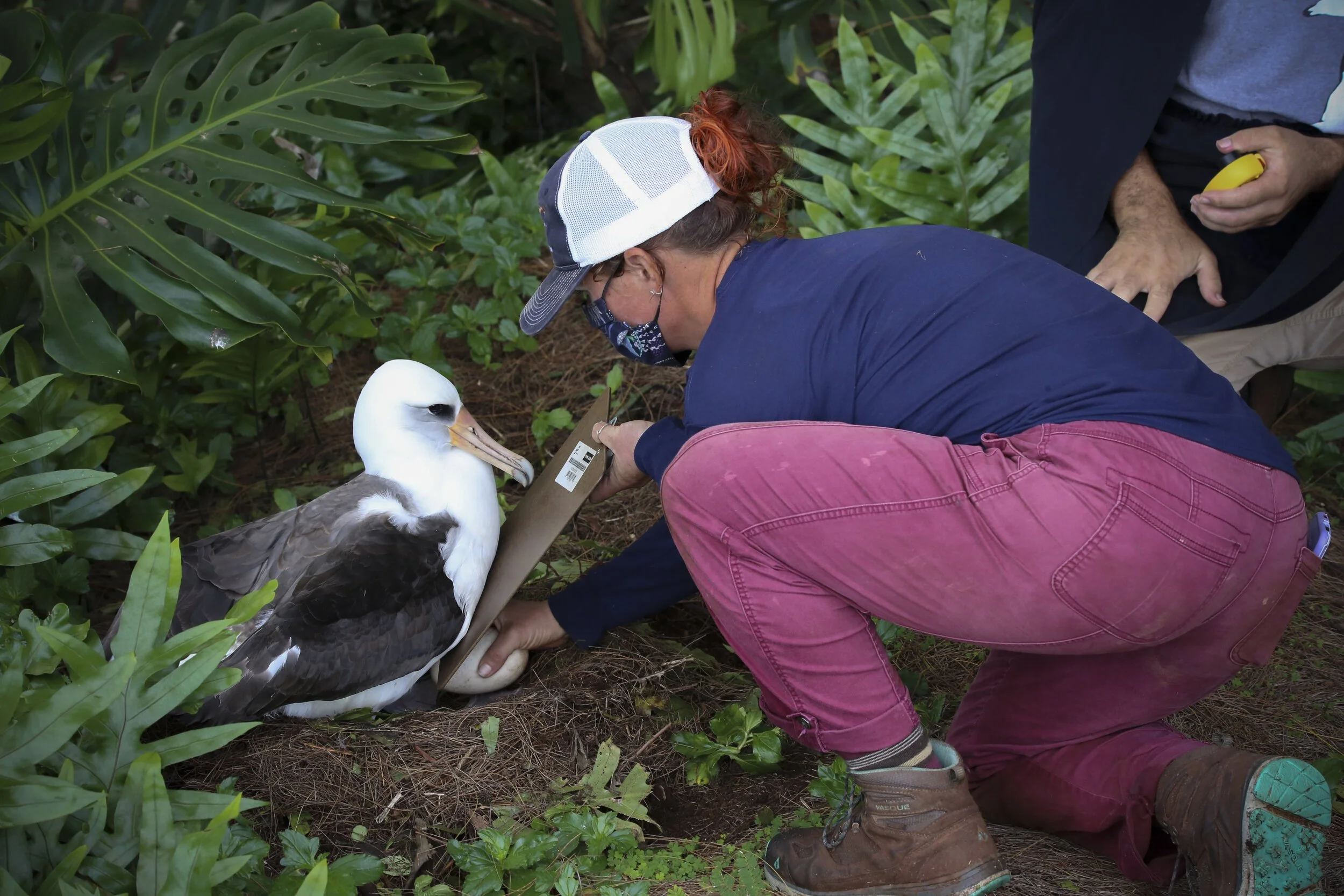
Some of the most meaningful work I did at the aquarium came through behavioral consulting. I worked with an African Penguin chick to transition to hand-fed fish, but the most memorable case was a Laysan Albatross named Alika. When I began working with her, she had a strong negative association with people and was fearful of both human interaction and the water. This manifested in constant pacing, attempts to escape, and overall poor physical and mental health. Over the course of a year, I worked closely with her to rebuild that relationship and reshape her environment. I introduced elements that mimicked what she would experience in the wild, including visual and auditory cues from other albatross, wind and rain simulation, and environmental modifications like a false-bottom pool to gradually reintroduce comfort with water. Just as importantly, I focused on building trust through consistent, positive interactions. By the end of that process, Alika’s behavior and health had improved dramatically. She began engaging with her environment, showed reduced stress behaviors, and even accepted and solicited allopreening from both myself and Senior Aviculturist Kim Fukuda. As a team, we learned how to show up in ways that made sense to her, essentially becoming, in the ways that mattered, a version of the colony she was missing.
That experience reinforced something I’ve seen across my work. Good conservation and animal care often come down to understanding the individual in front of you, paying attention to the details, and being willing to adapt until something works.
ANIMAL CARE COORDINATOR
Pacific Rim Conservation
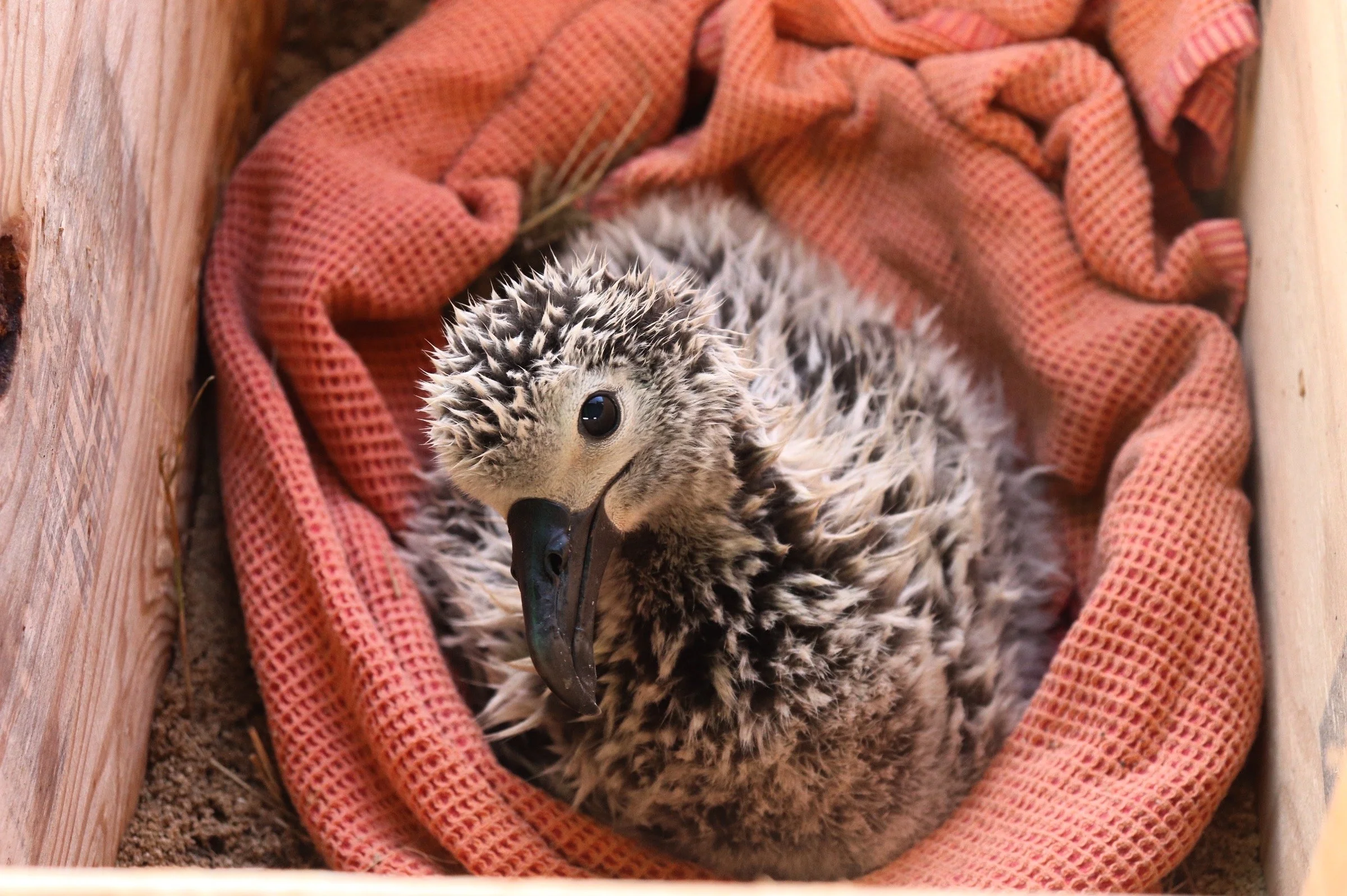
My time with Pacific Rim Conservation, where I served as Animal Care Coordinator, is still one of the experiences I’m most grateful for. It’s also where I truly learned what it means to do conservation at scale, without losing sight of the individual.
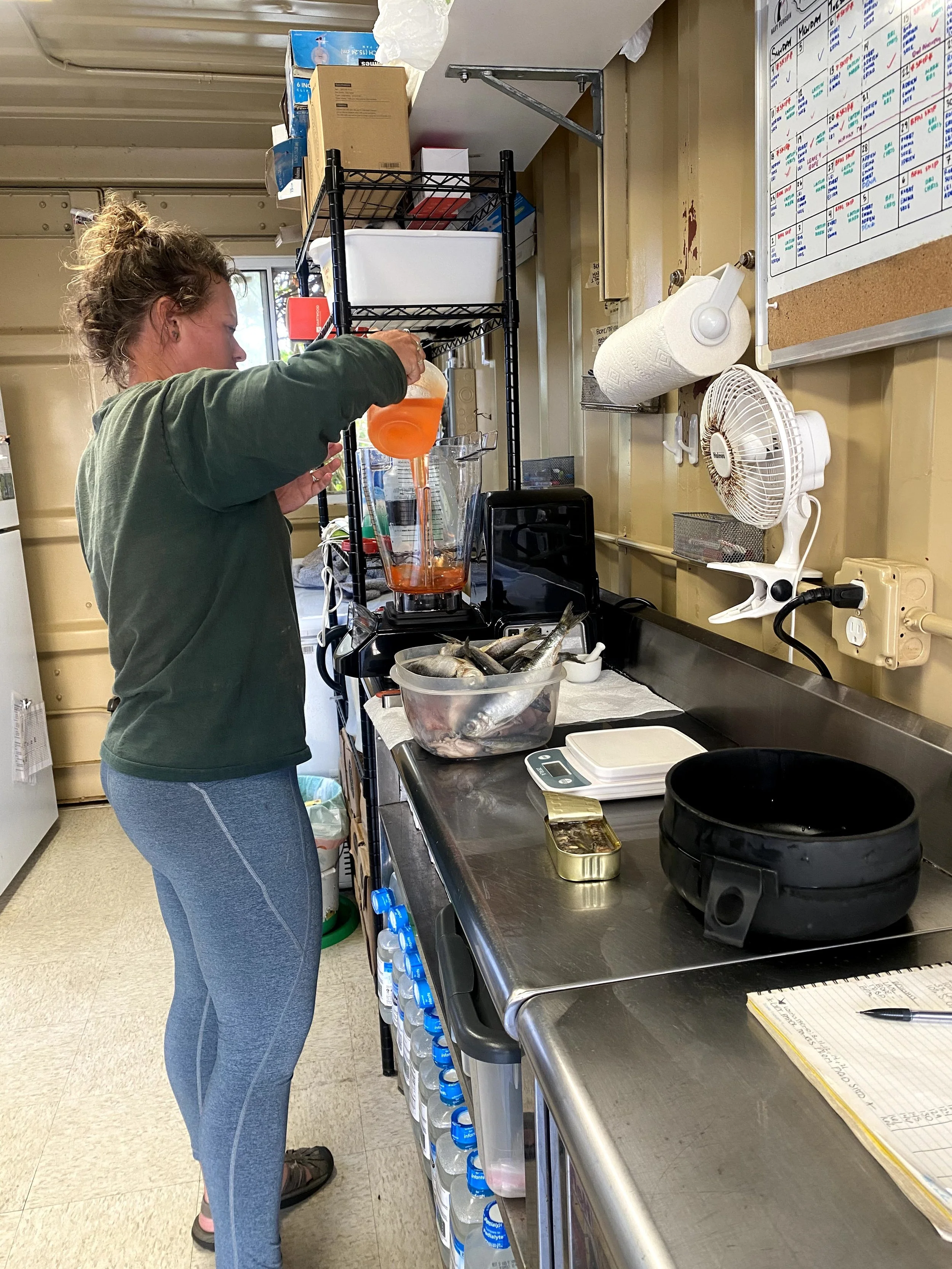
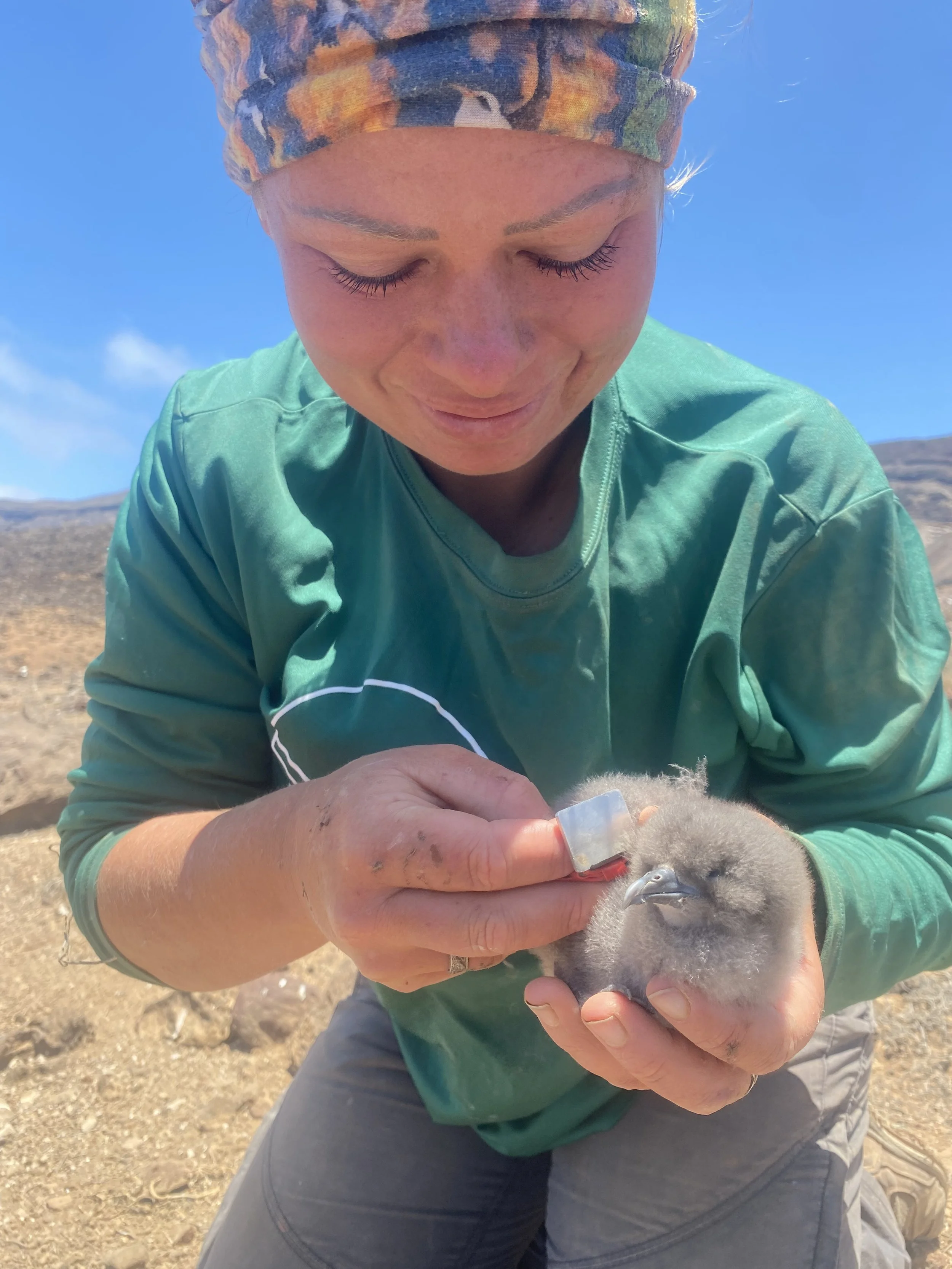
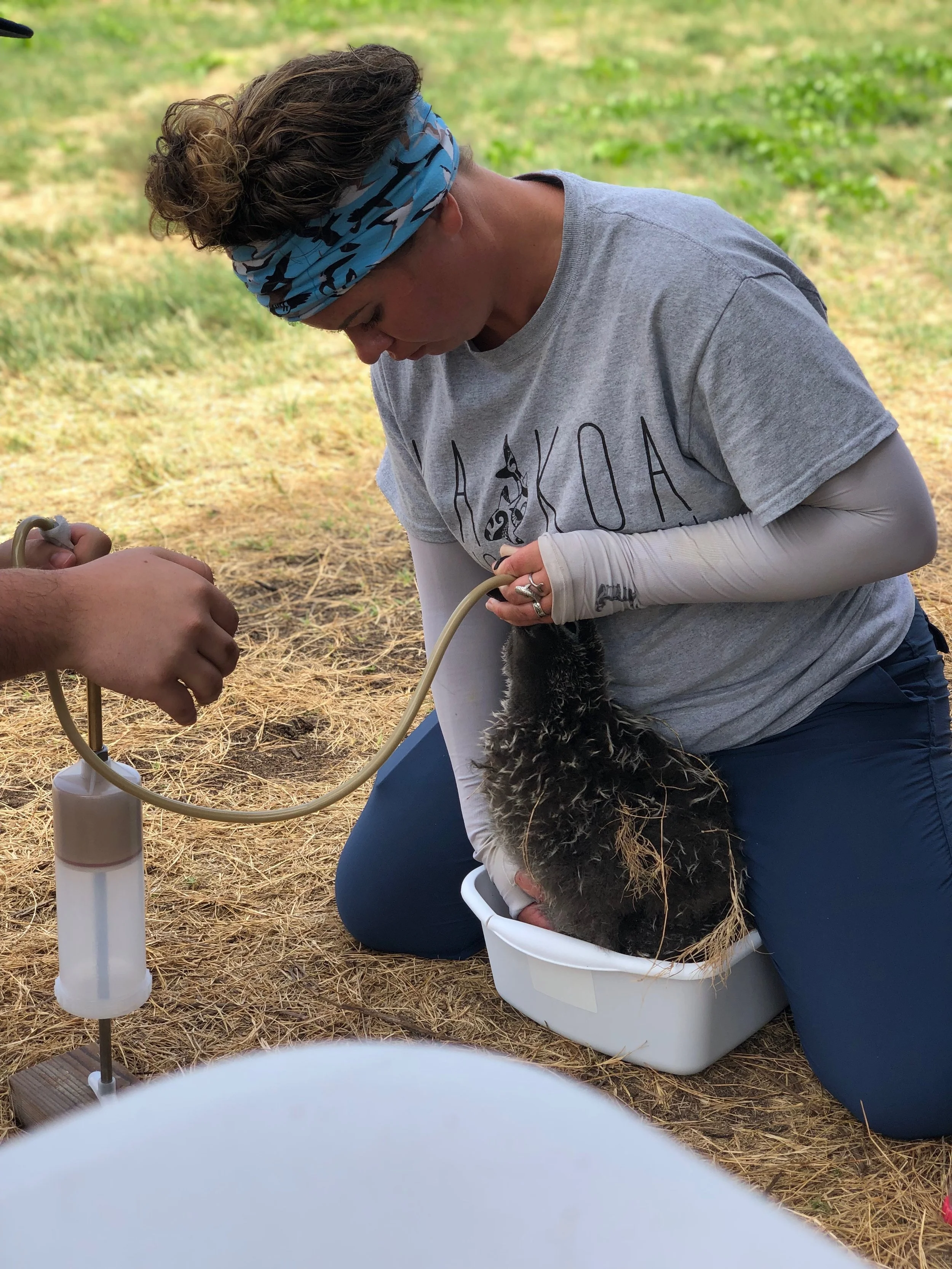
During my time there, I helped rear and release over 600 translocated seabird chicks, including Laysan and Black-footed Albatross, Bonin Petrel, Hawaiian Petrel, Tristram’s Storm-petrel, and Newell’s Shearwater. We were a small team doing work that needed to be exact every single day, and I quickly found myself wearing a lot of hats. On any given day, I was formulating and preparing diets, leading feedings for hundreds of chicks, managing detailed life-history and return data, overseeing trail camera systems, and maintaining strict sanitation standards for every piece of equipment that came into contact with the birds. It was fast-paced, detail-heavy work where consistency mattered, and small decisions had real consequences for chick survival and long-term success.
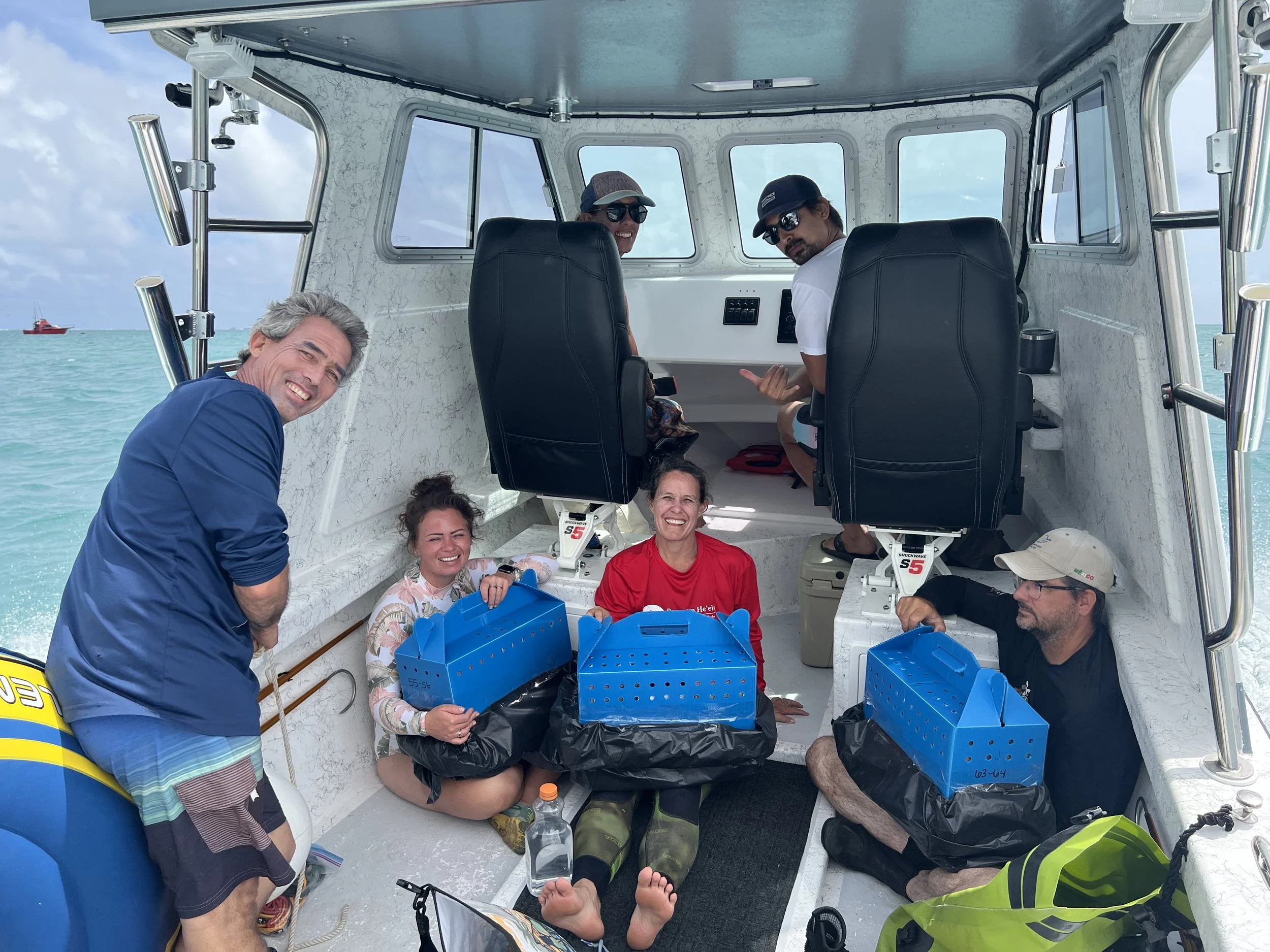
Beyond the day-to-day operations, I stepped into leadership roles that helped shape the program as it grew. With support from management, I built and launched PRC’s first internship program from the ground up, creating training materials, a resource platform, and a structured learning experience for incoming interns. I also supervised interns and volunteers, and by 2019, I was responsible for training new staff and partner organizations in seabird rearing, handling, and protocol implementation. Fieldwork was a huge part of the experience. I joined collection trips to the Northwestern Hawaiian Islands by both plane and ship, where we carefully collected chicks for translocation. I also participated in moving birds to offshore islands for their final stage of fledging, which is always equal parts logistics and trust in the process.
Through our partnership with Grupo de Ecología y Conservación de Islas (GECI), I spent two seasons in Mexico helping rear Black-footed Albatross and training local teams in chick-rearing, sanitation, and safe handling techniques. I also led efforts to collect reproductive life-history data for Black-vented Shearwaters, laying the groundwork for future translocation work with that species. At the end of each season, I supported banding efforts across Oʻahu, Kauaʻi, and Isla Guadalupe, closing the loop on months of care and preparation.
What made that experience exceptional, beyond the work itself, was the team. I was mentored and supported by an incredibly talented group, including Robby Kohley, Megan Dalton, Rachel Fischer, Daniela Casillas, Molly Monahan, Emma Houghton, Adrien Pesque, Suzie Pluskat, Erika Dittmar, and Eric VanderWerf. It was a team built on trust, precision, and a shared commitment to doing the work well.
That time shaped how I approach conservation today. It taught me how to operate in complex systems, how to lead while still learning, and how to build processes that turn careful, daily effort into long-term impact.
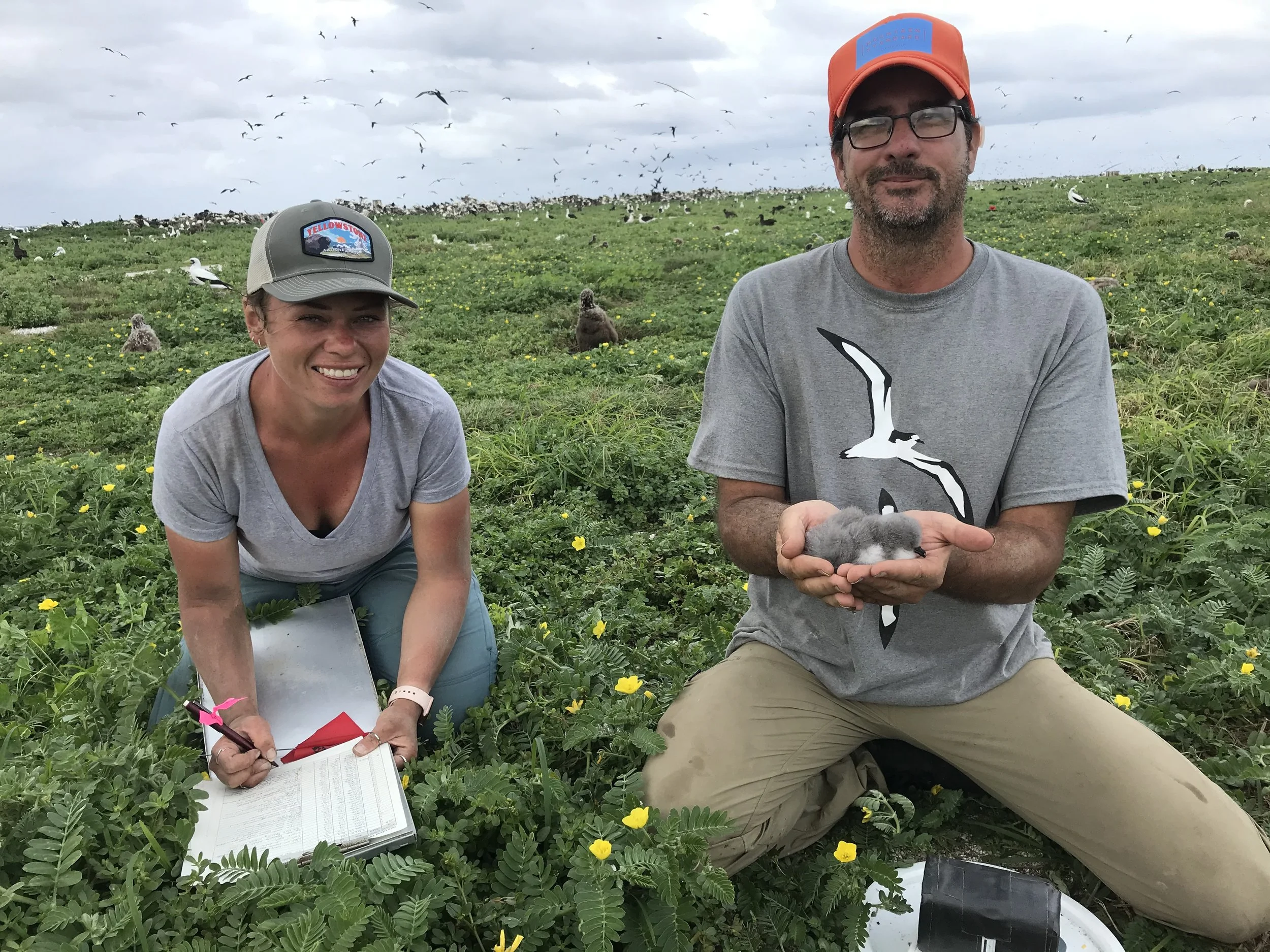

Some of the most defining work of my career has taken place on a small, steep island in the Marquesas, where the forest still holds one of the rarest birds on Earth.
The Fatu Hiva Monarch is not just endangered, it is one of the most critically endangered birds in the world. Fewer than 20 individuals remain, with only an estimated three wild females. At that scale, extinction is not a distant possibility, it is an approaching reality. I arrived after multiple failed attempts to artificially incubate and rear this species. Teams with deep expertise had tried and not succeeded. That context made the work feel, at times, almost impossible. But it also made it clear what was at stake.
My role was to redesign and lead the incubation and hand-rearing process in a remote, resource-limited environment. Every step required precision and constant adjustment. Early on, the chick developed a dietary intolerance to egg, one of the only reliable protein sources available. Identifying the issue, stabilizing her, and rebuilding a nutritionally complete diet from limited resources was one of the most stressful parts of the process. Every feeding mattered. The work was deeply collaborative. The SOP Manu team brought an incredible level of care and intuition, and together we navigated both the biological challenges and the realities of working in a high-pressure environment where decisions had to stay centered on the bird.
And then, she not only survived - she thrived.
We successfully reared a female Fatu Hiva Monarch to independence. She is now the founding female of the captive breeding program, a single individual that meaningfully changes what is possible for the species.
Soon after, I joined efforts on Tahiti to rear the Tahitian Monarch, a species with fewer than 200 individuals remaining. Two chicks had already been lost, one to aspiration and another to nutrient deficiencies. By the time I stepped in, the weight of those losses was still very present. The third chick required the same level of precision and care, along with the steady awareness of how easily things could go wrong.
This time, it worked.
We successfully reared Tahitian Monarch #3 to independence, the first captive-reared individual of its species to reach that stage. That bird is now set to be released back into the wild in May 2026 under the leadership of Robby Kohley with Pacific Rim Conservation. This work is a reminder that conservation, at its most critical edge, is not abstract. It is technical, emotional, and often uncertain. And sometimes, if you get enough of the details right, you get to watch a species take a small step back from the edge.