Photography
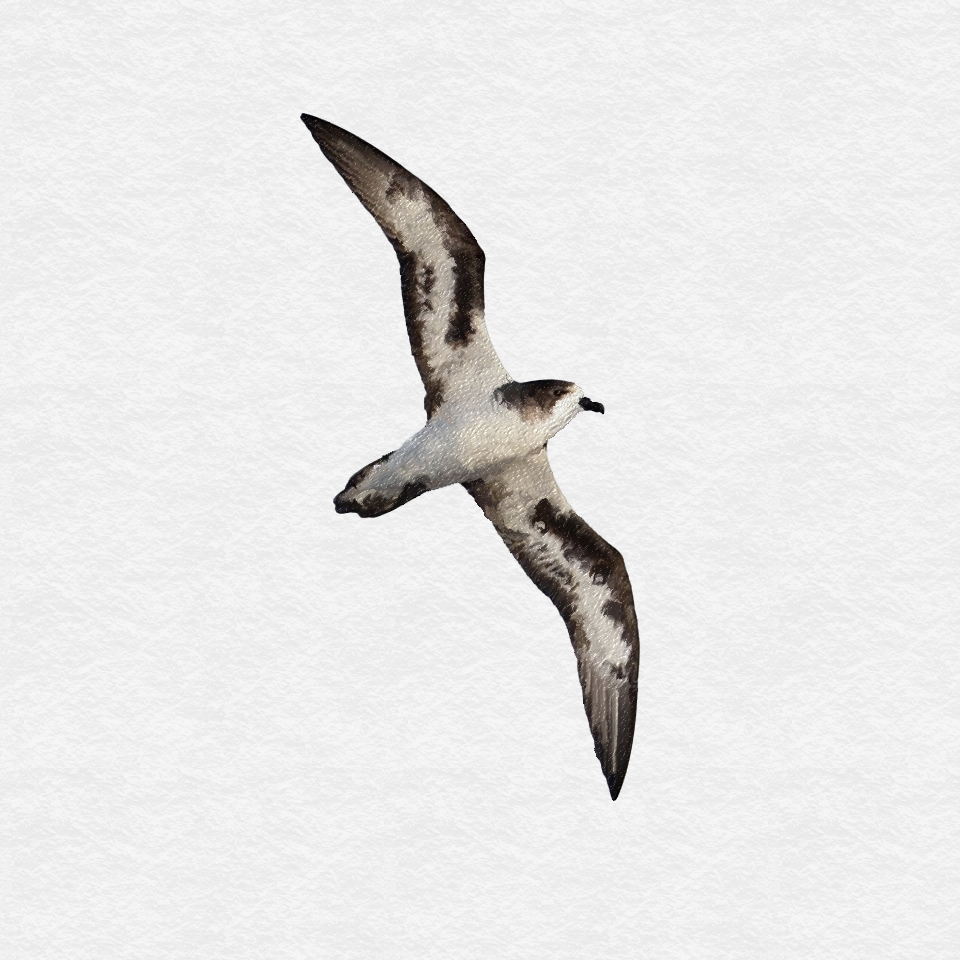
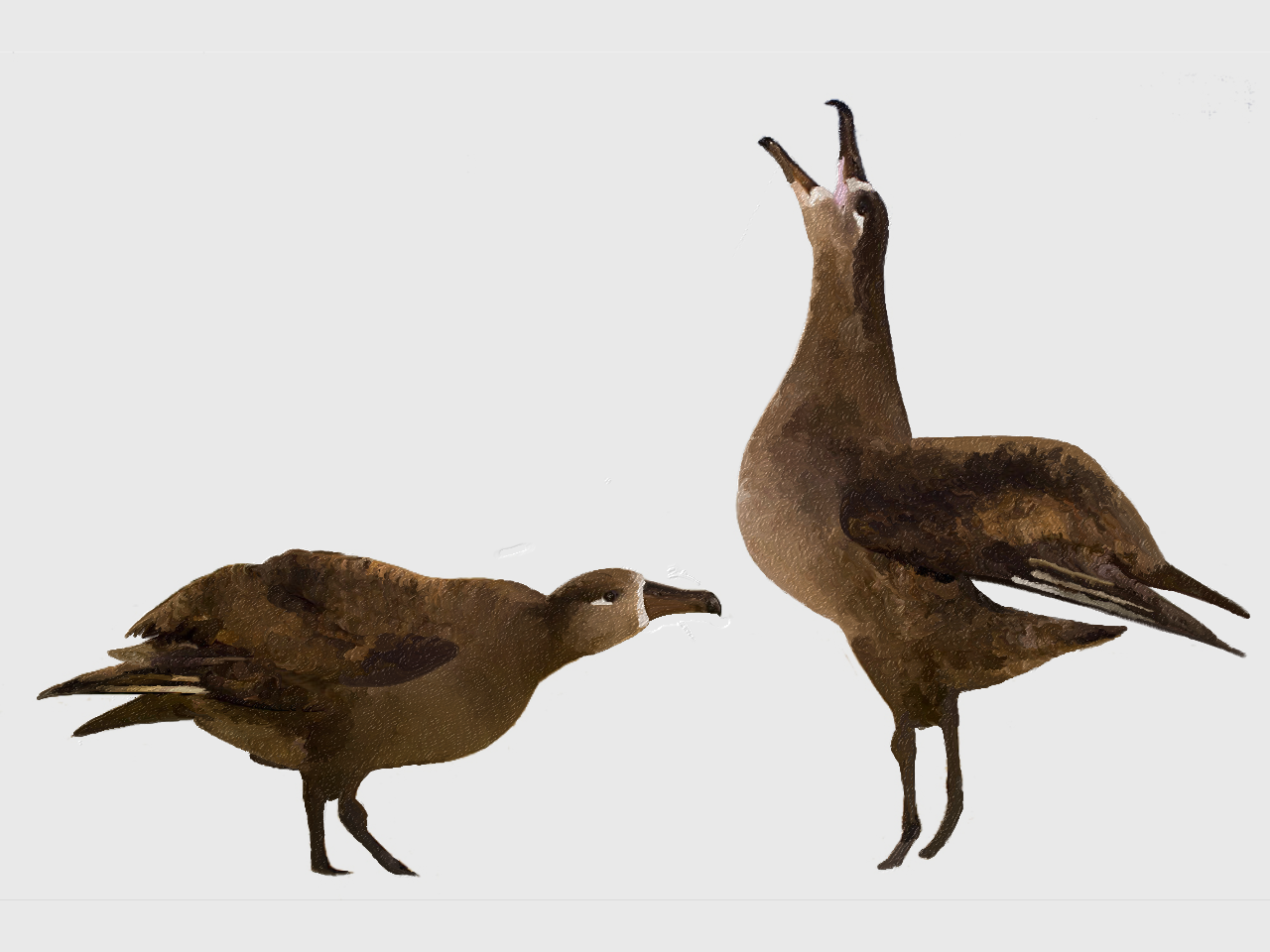
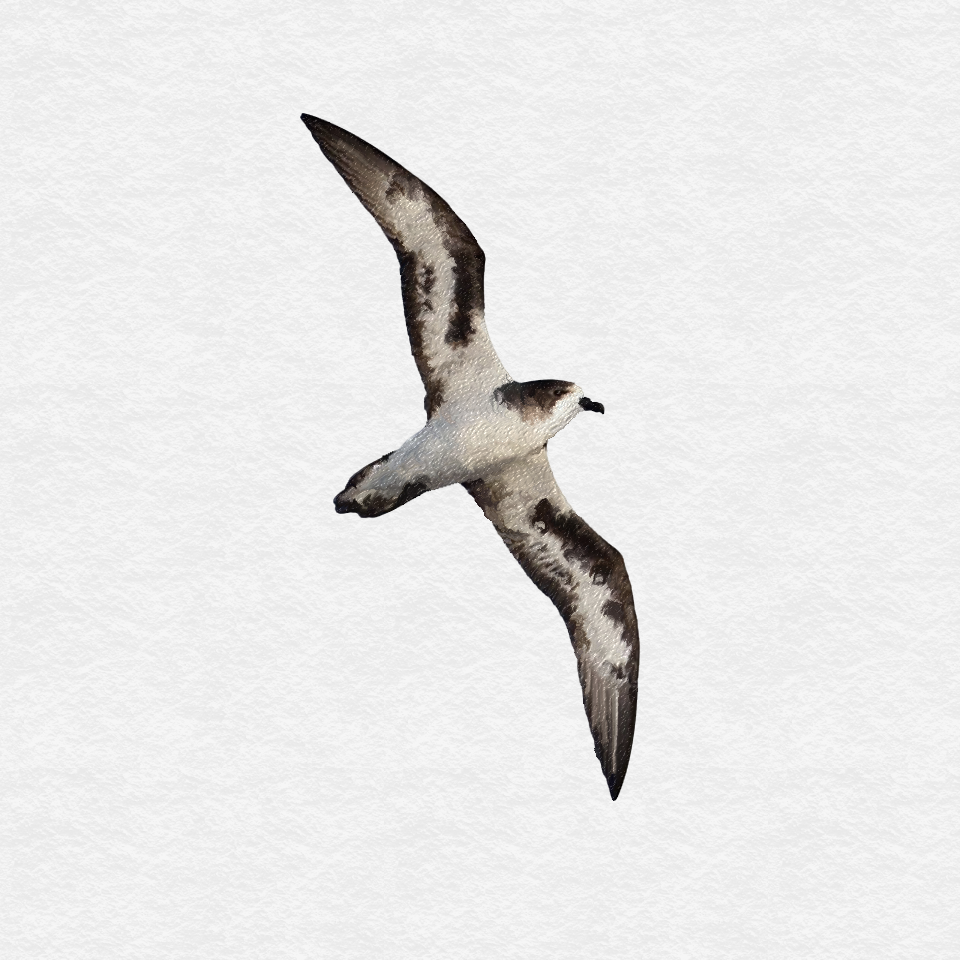
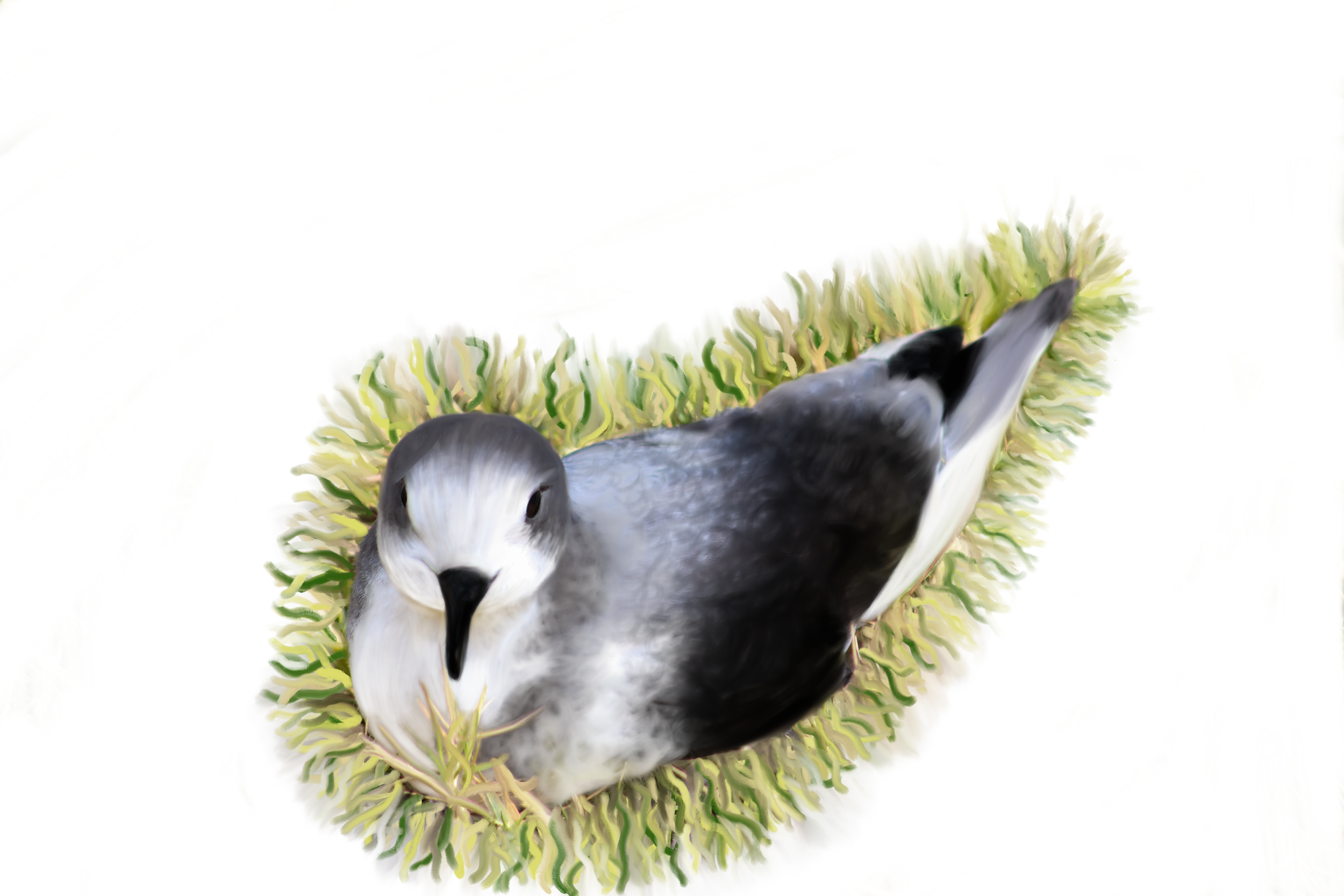
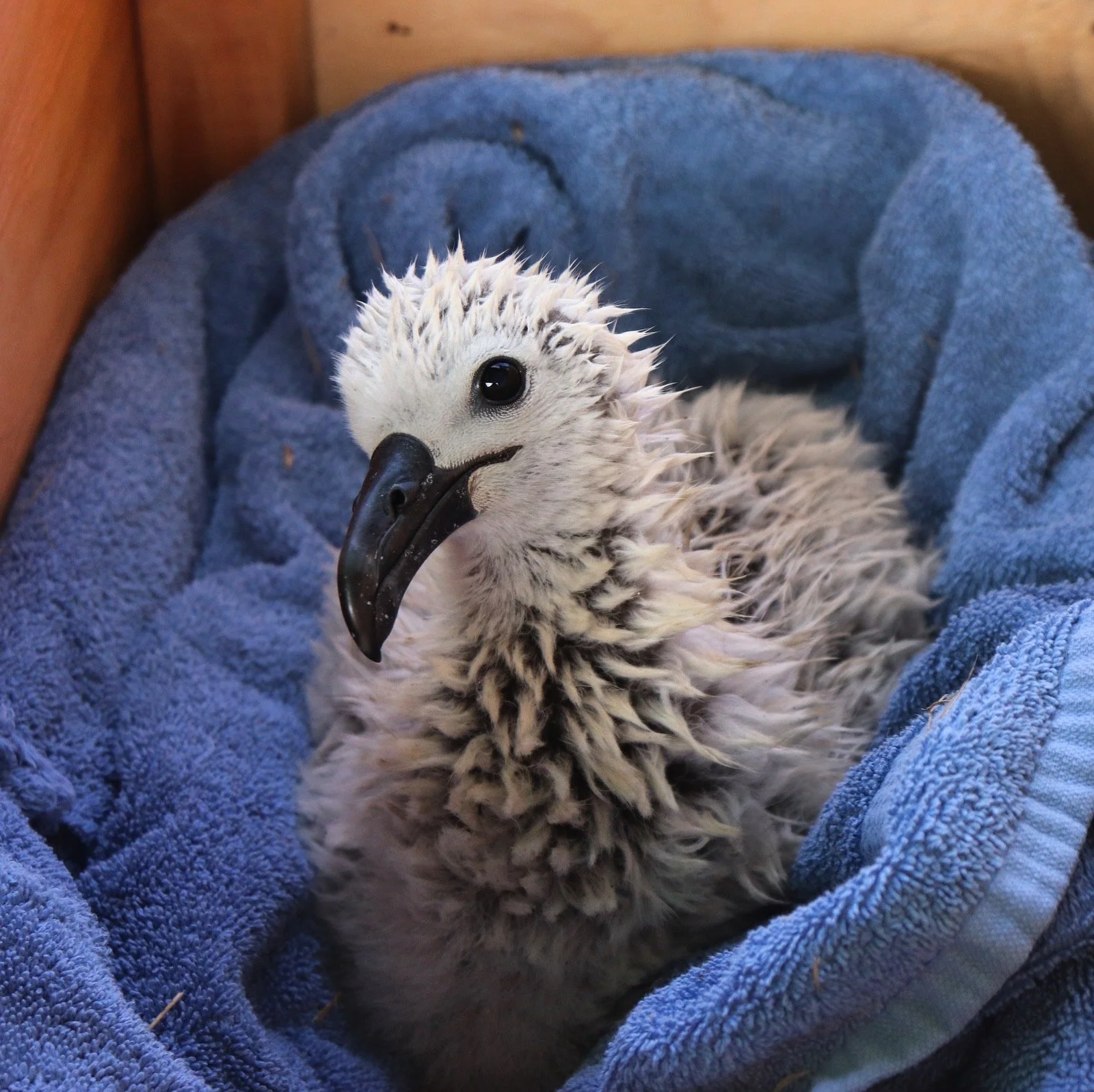
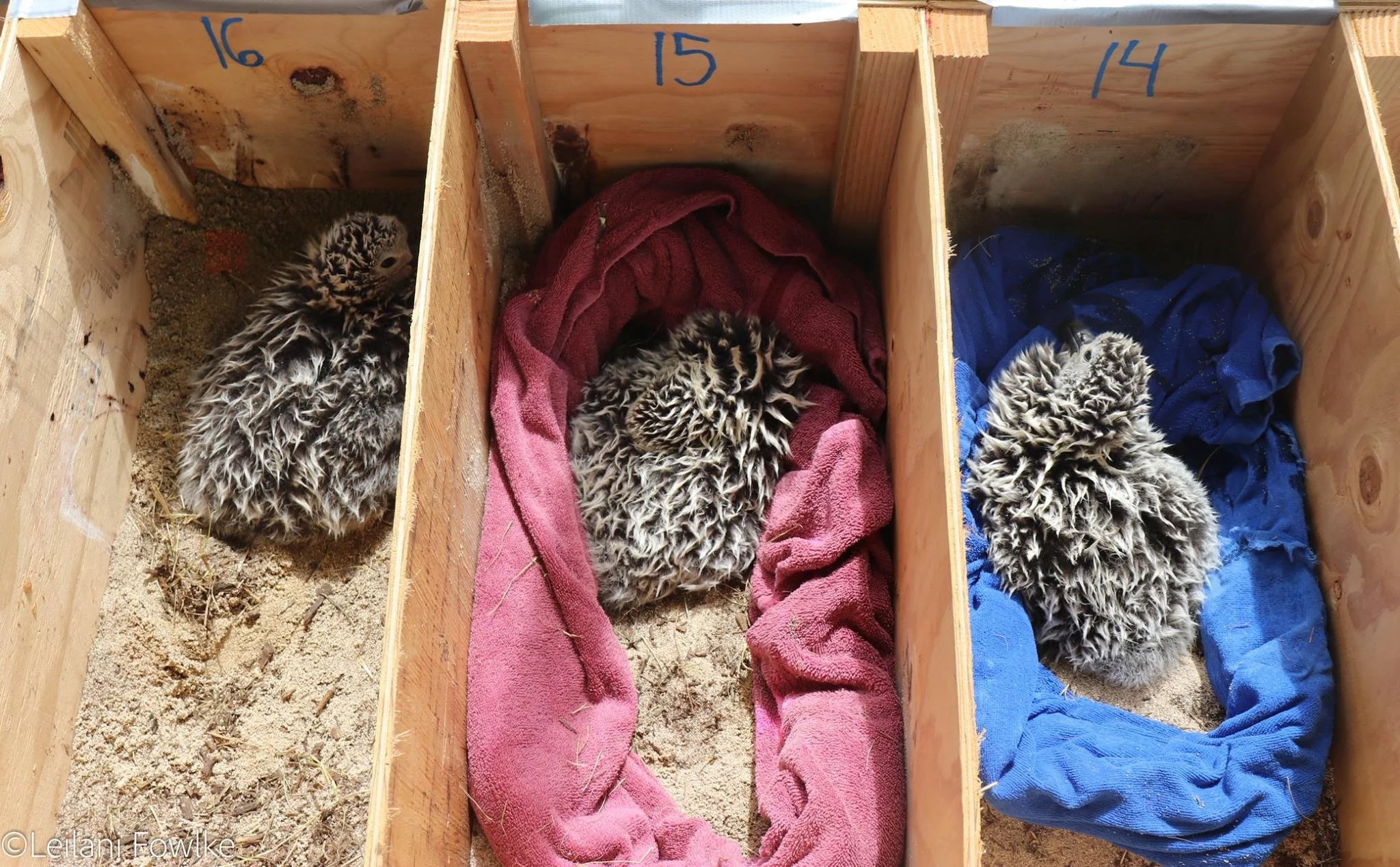
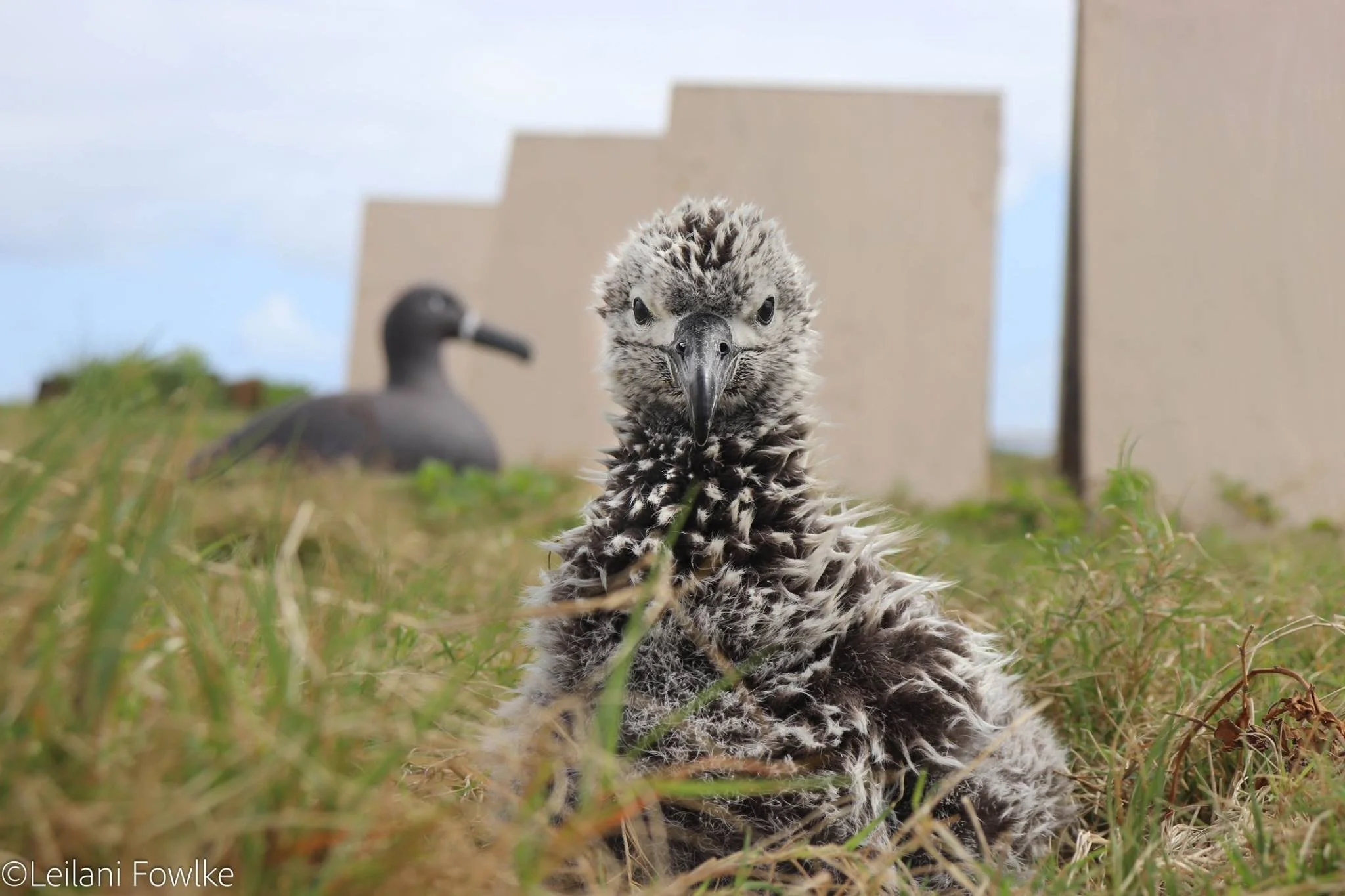
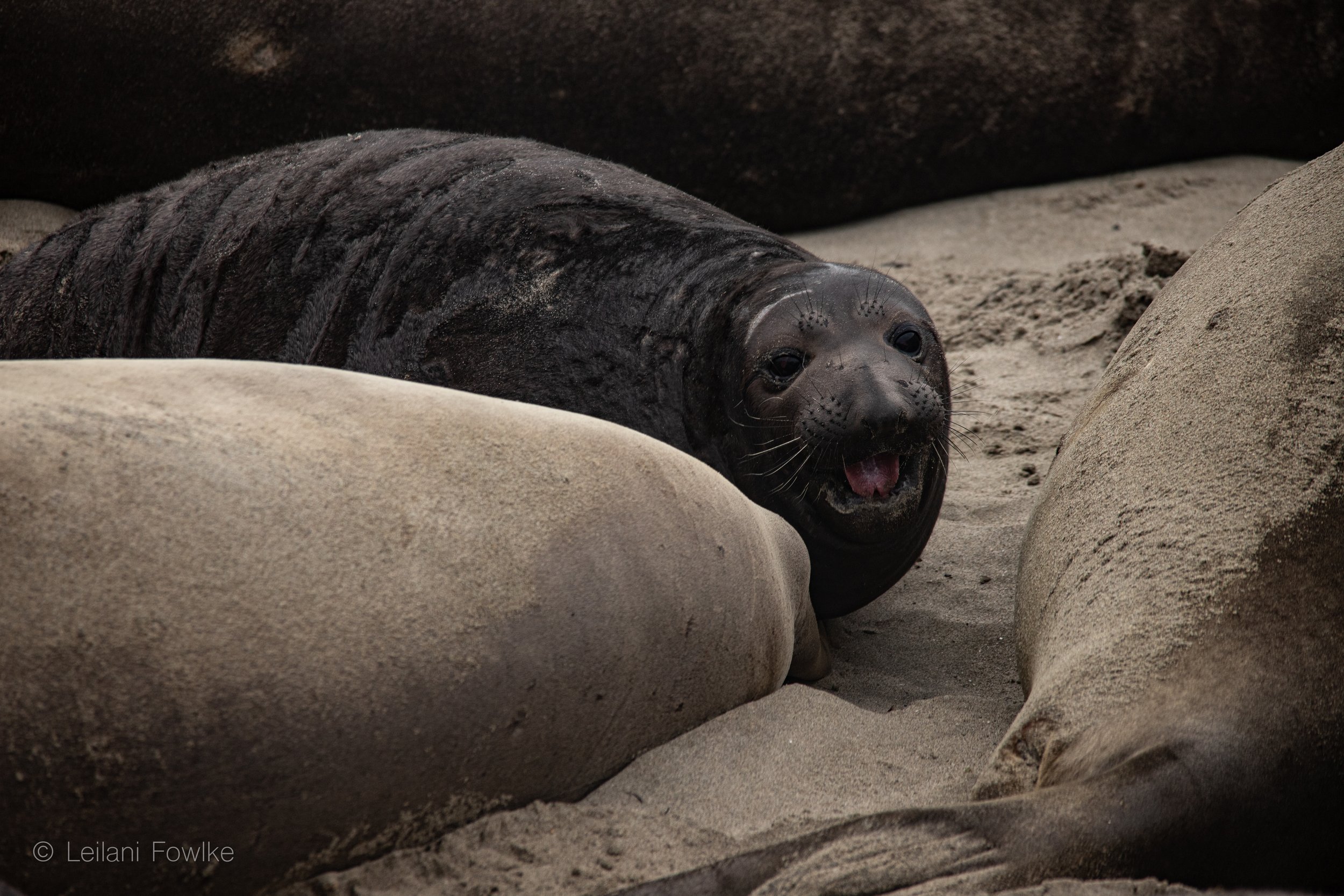
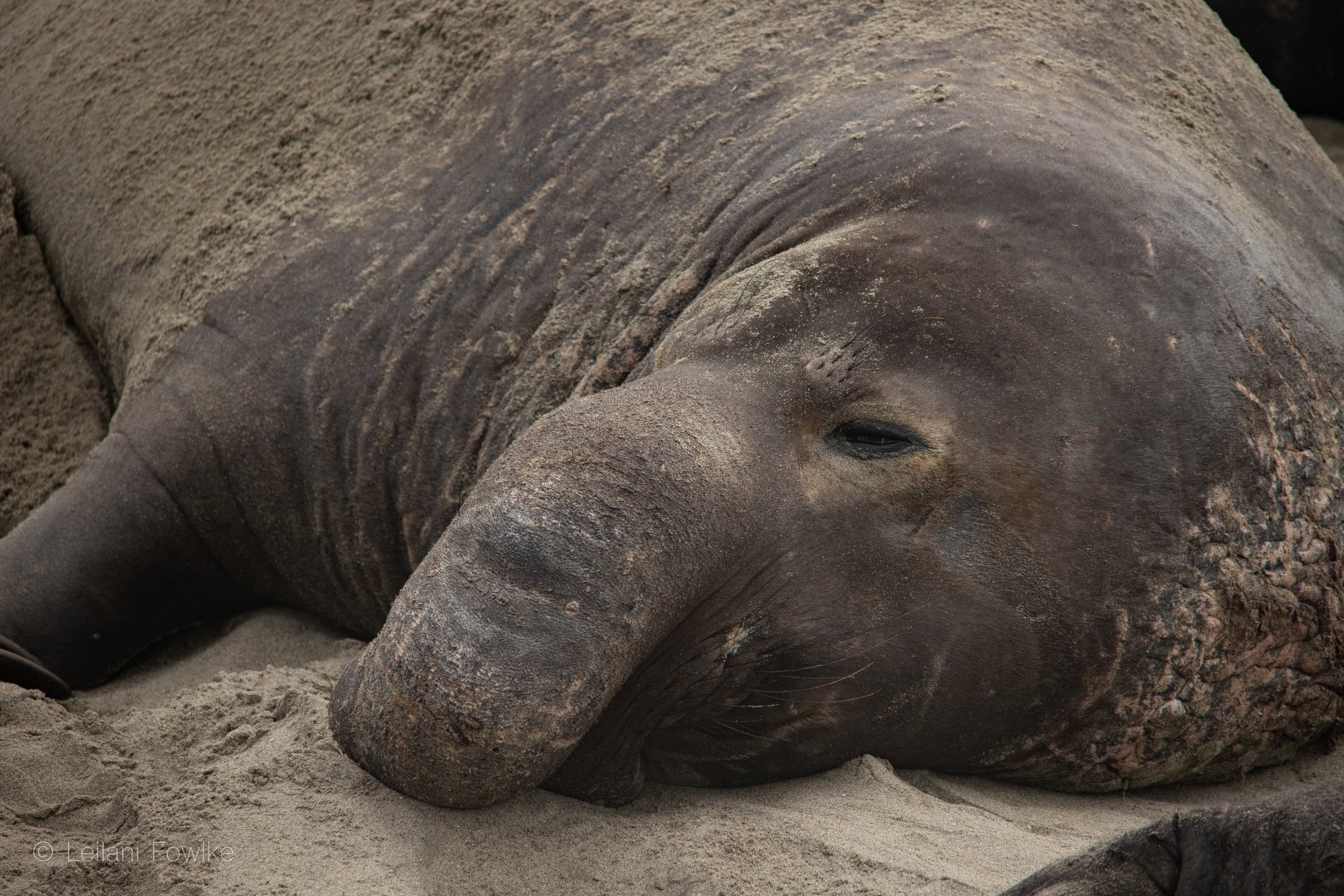
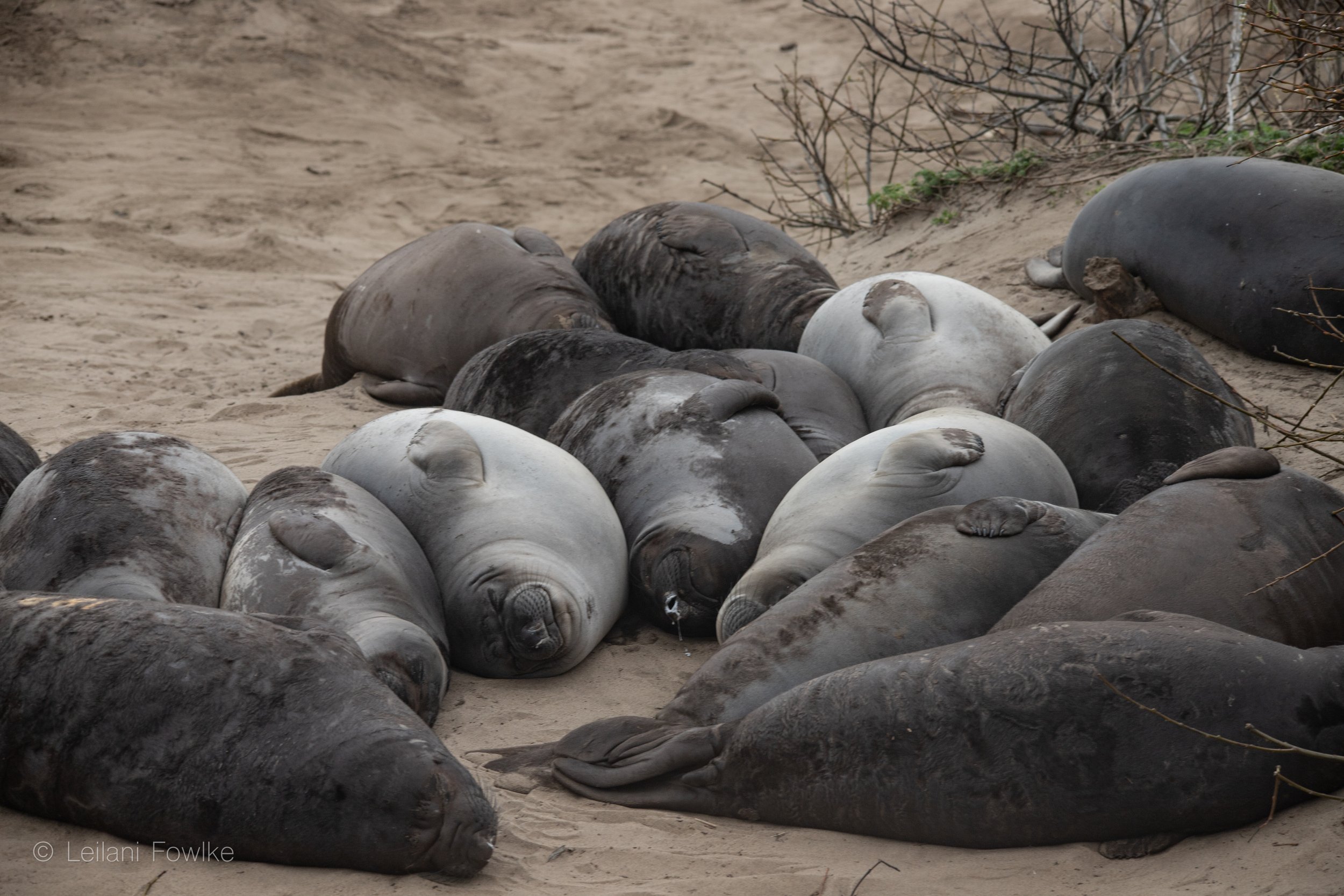
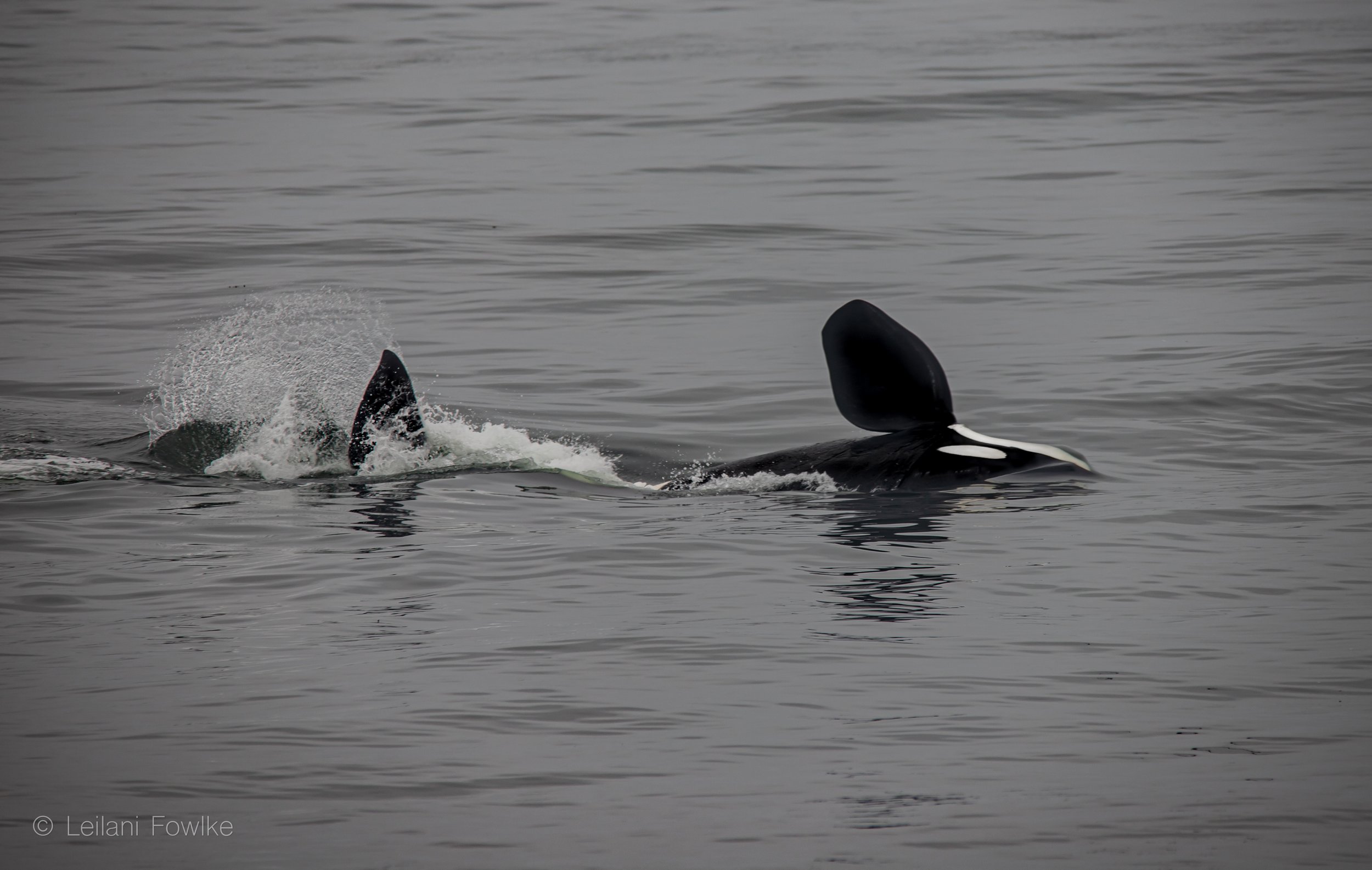
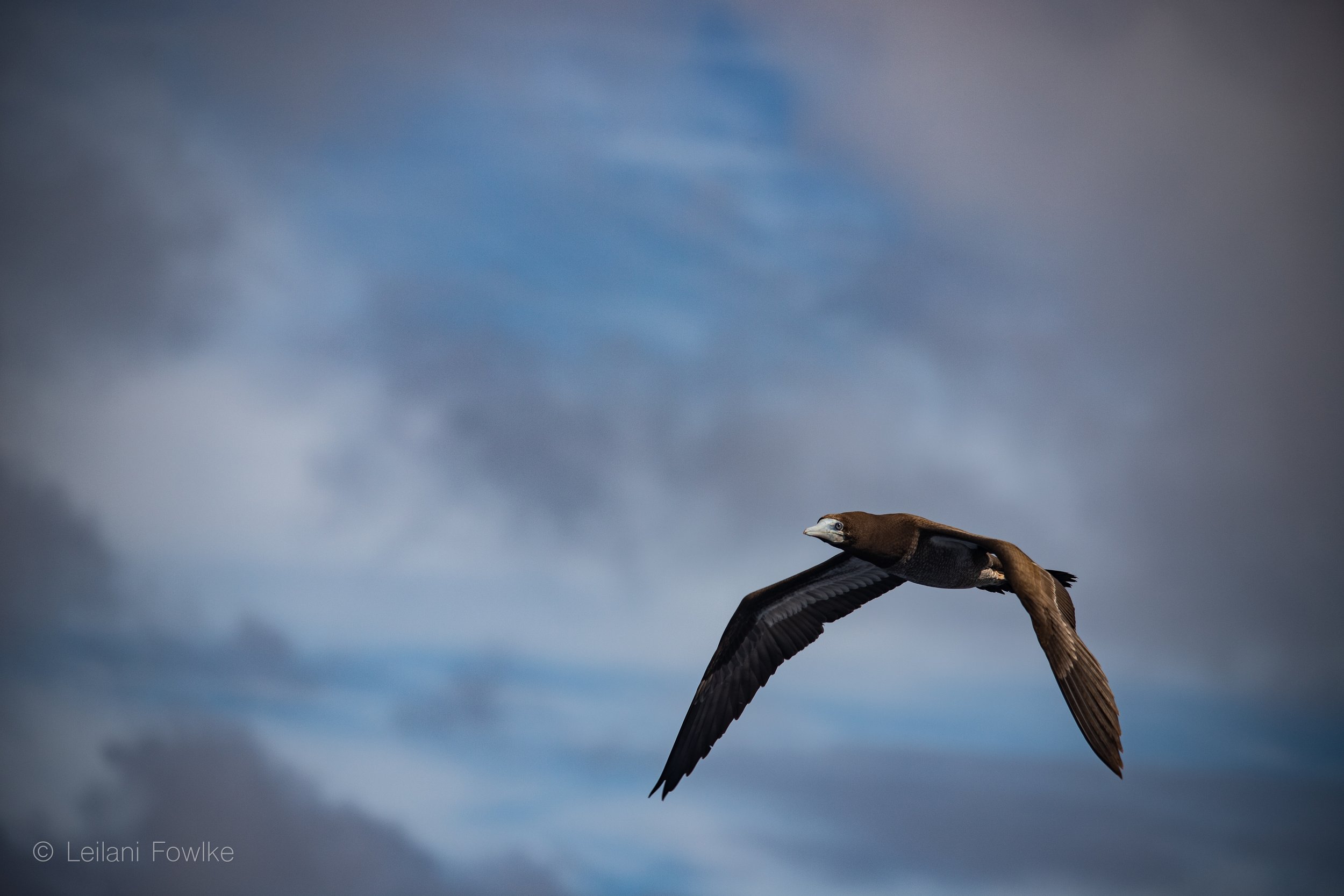
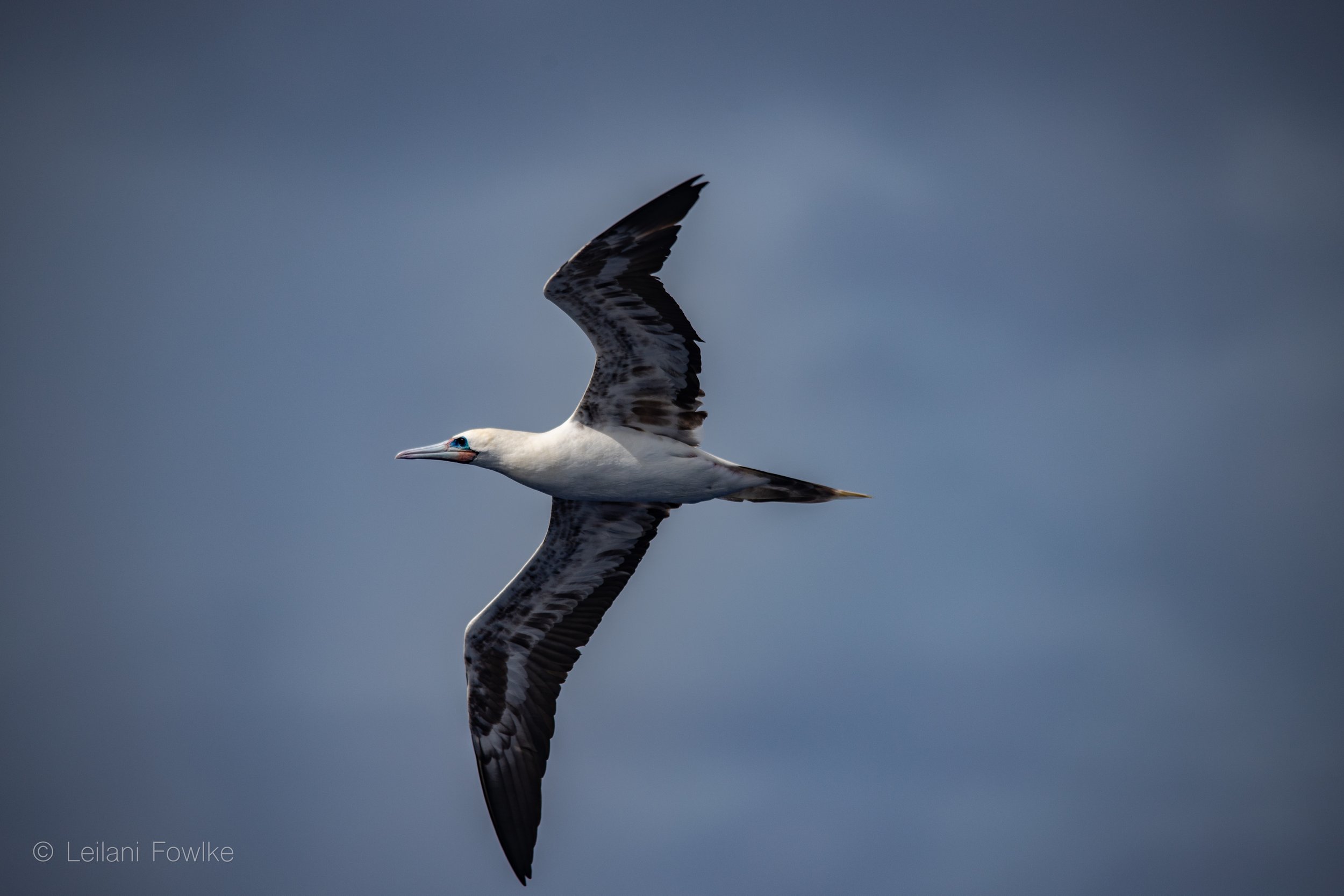
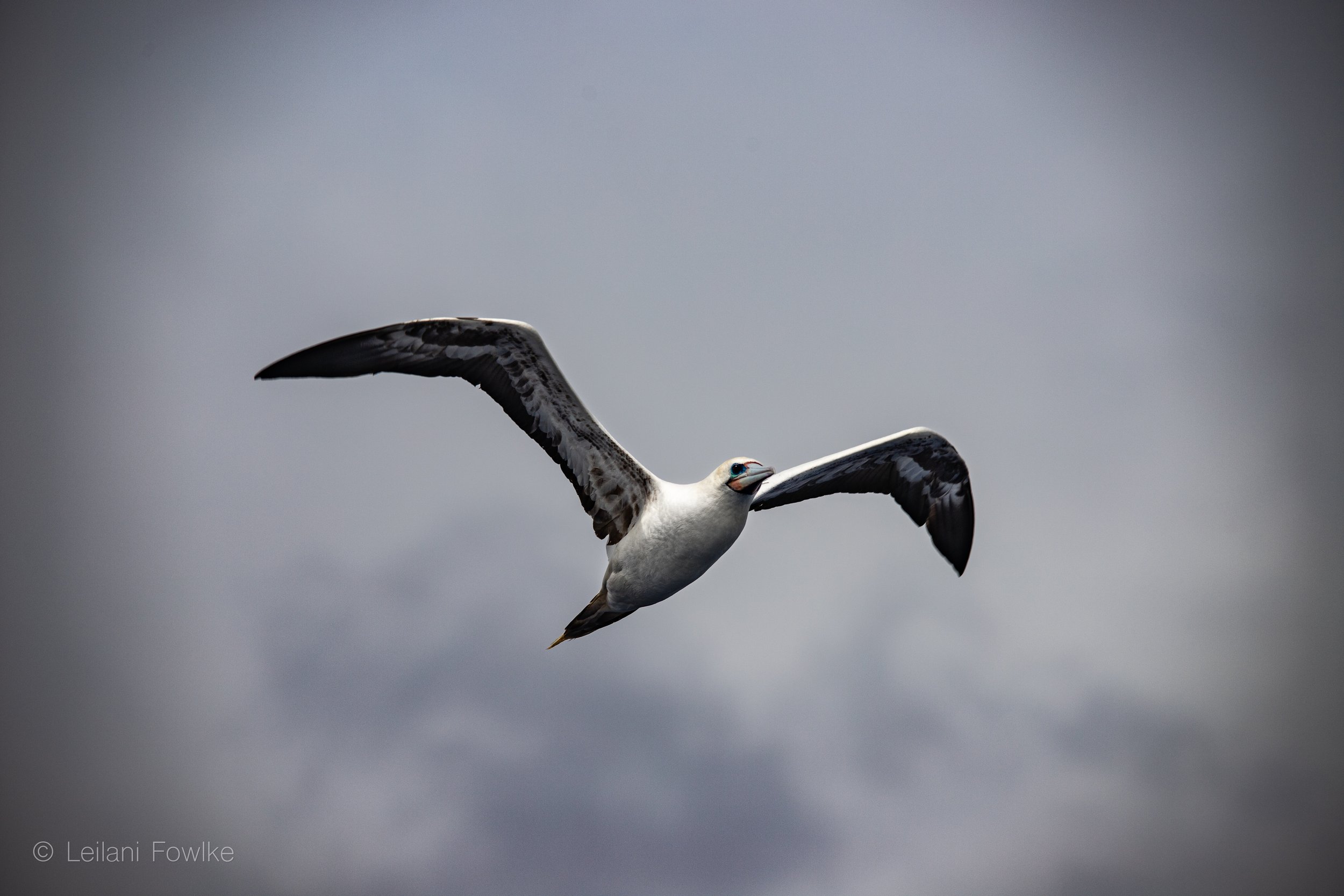
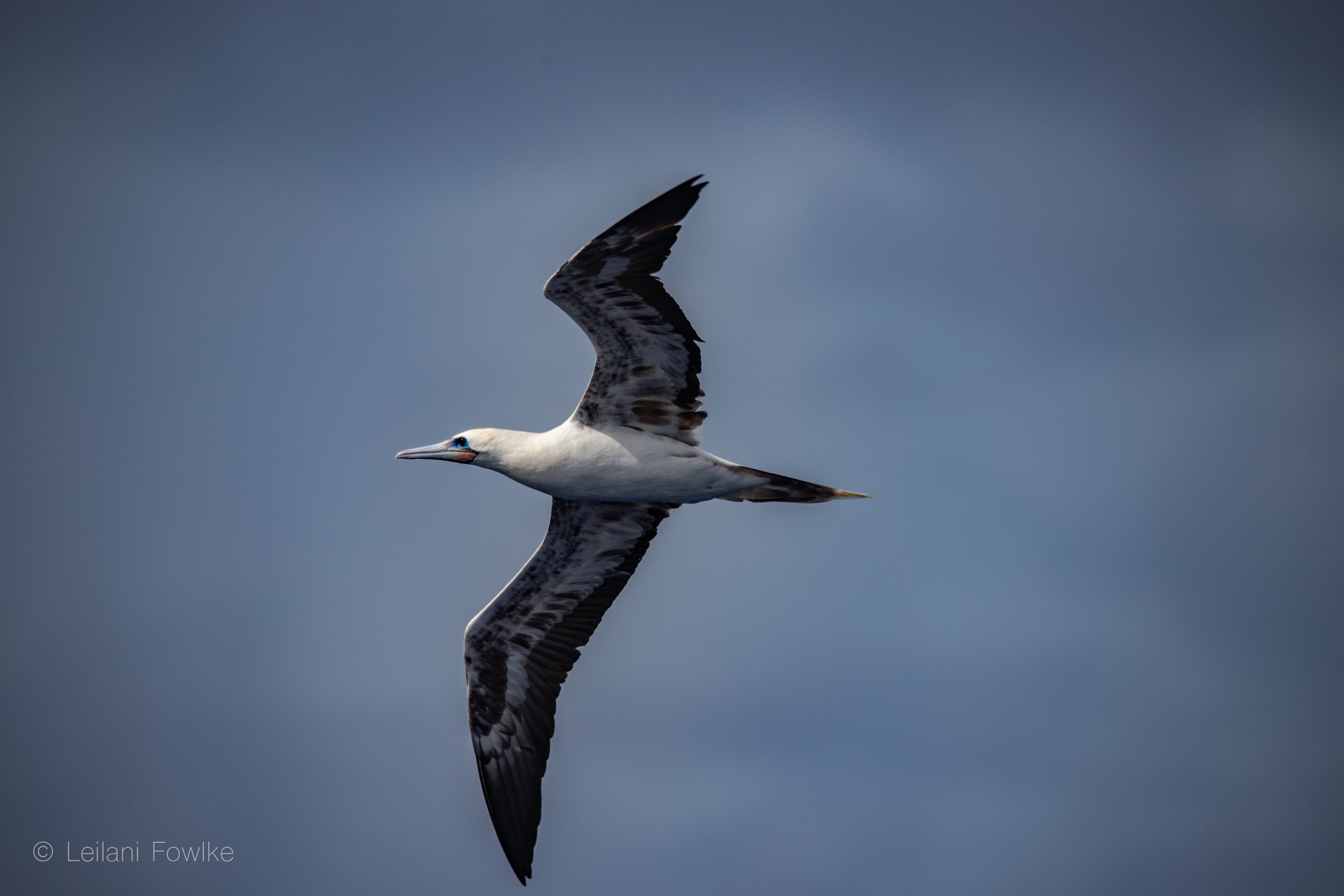
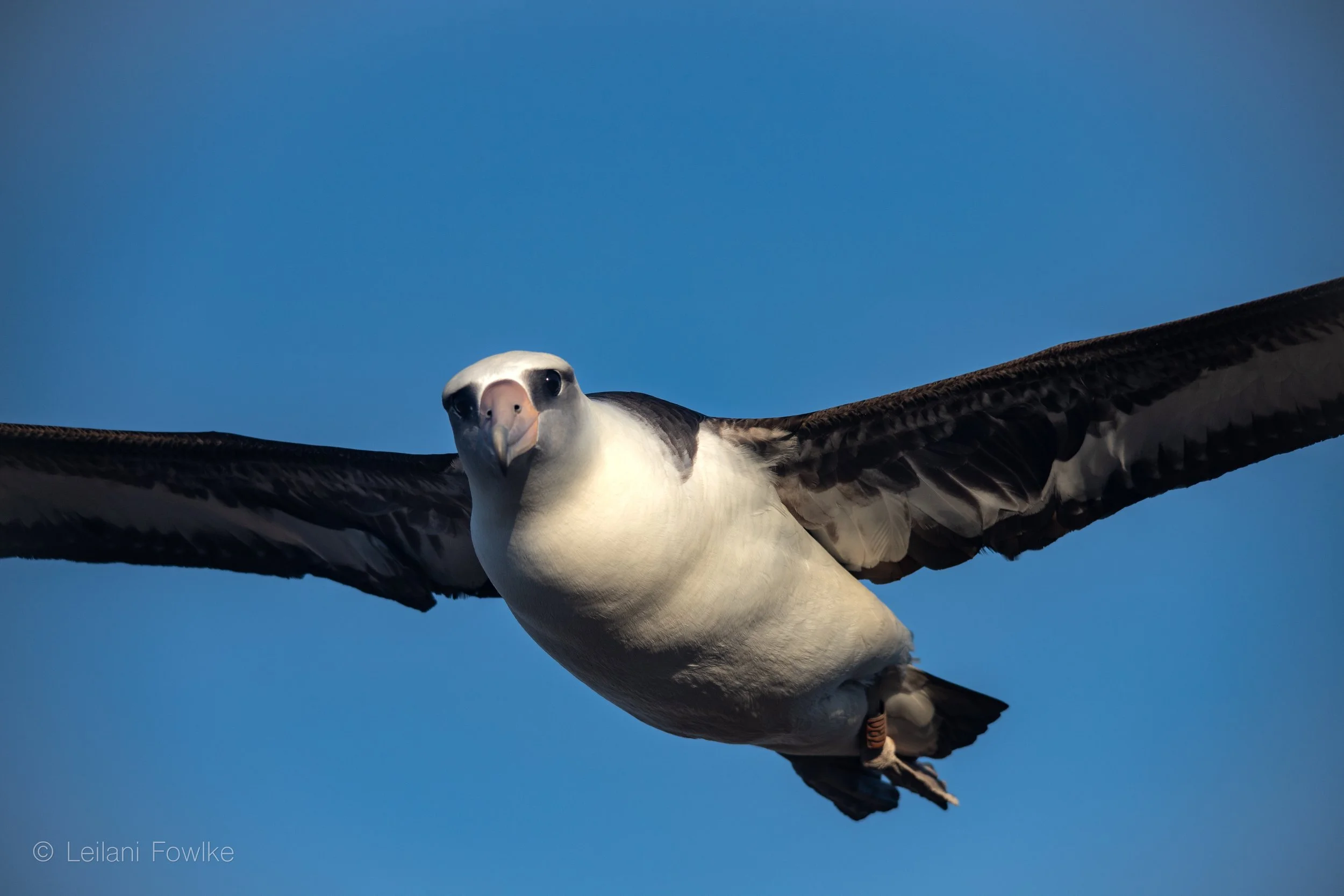
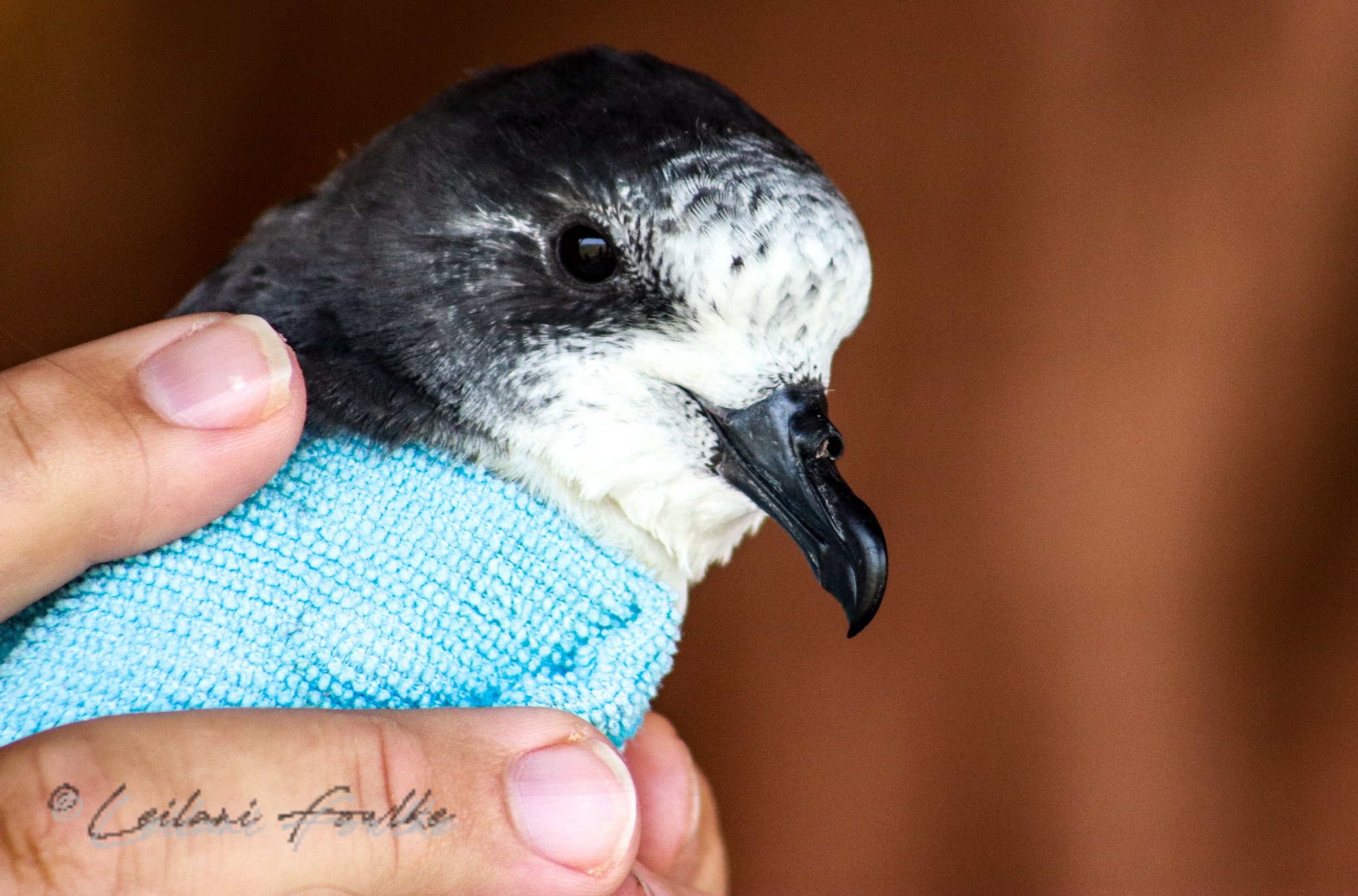
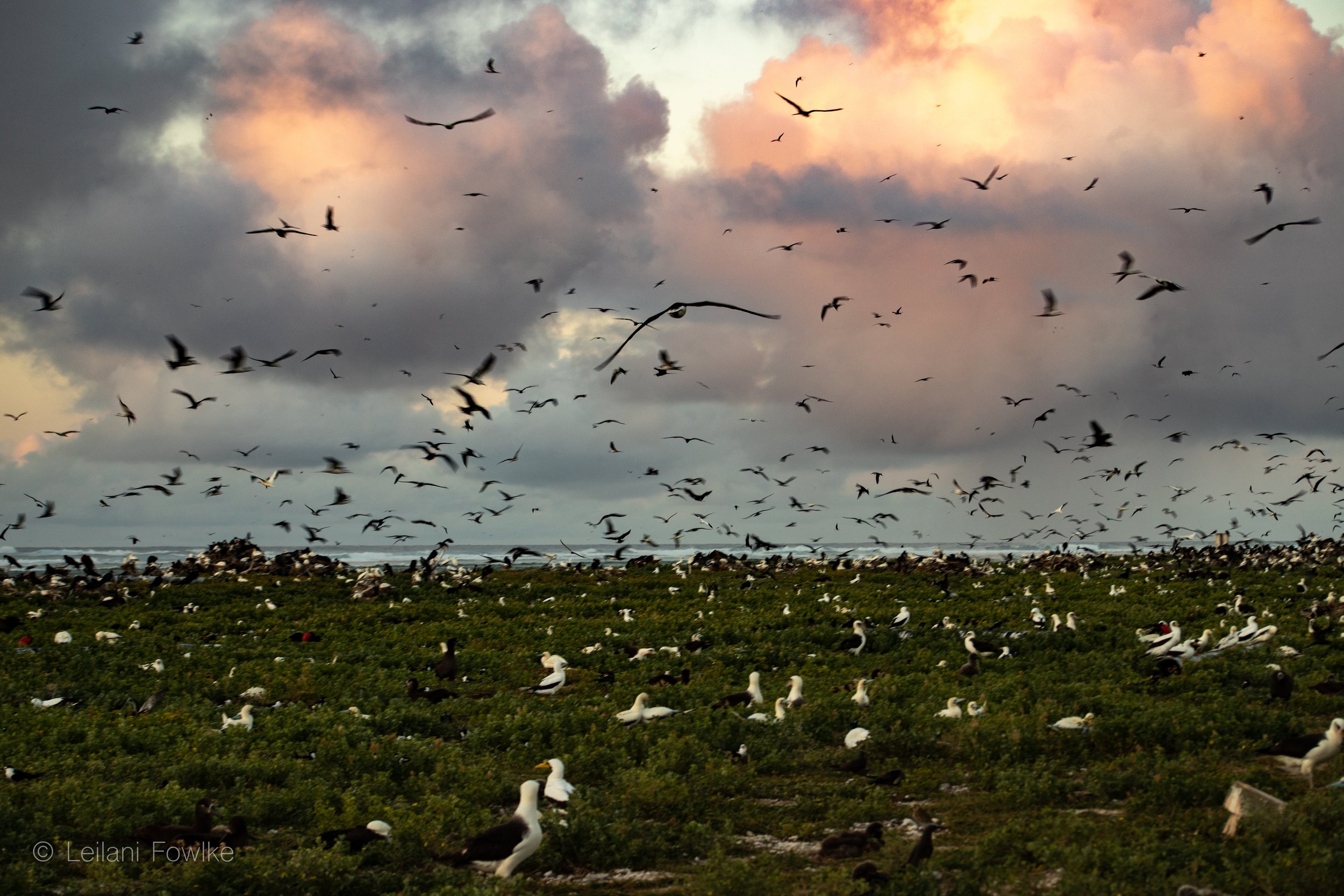
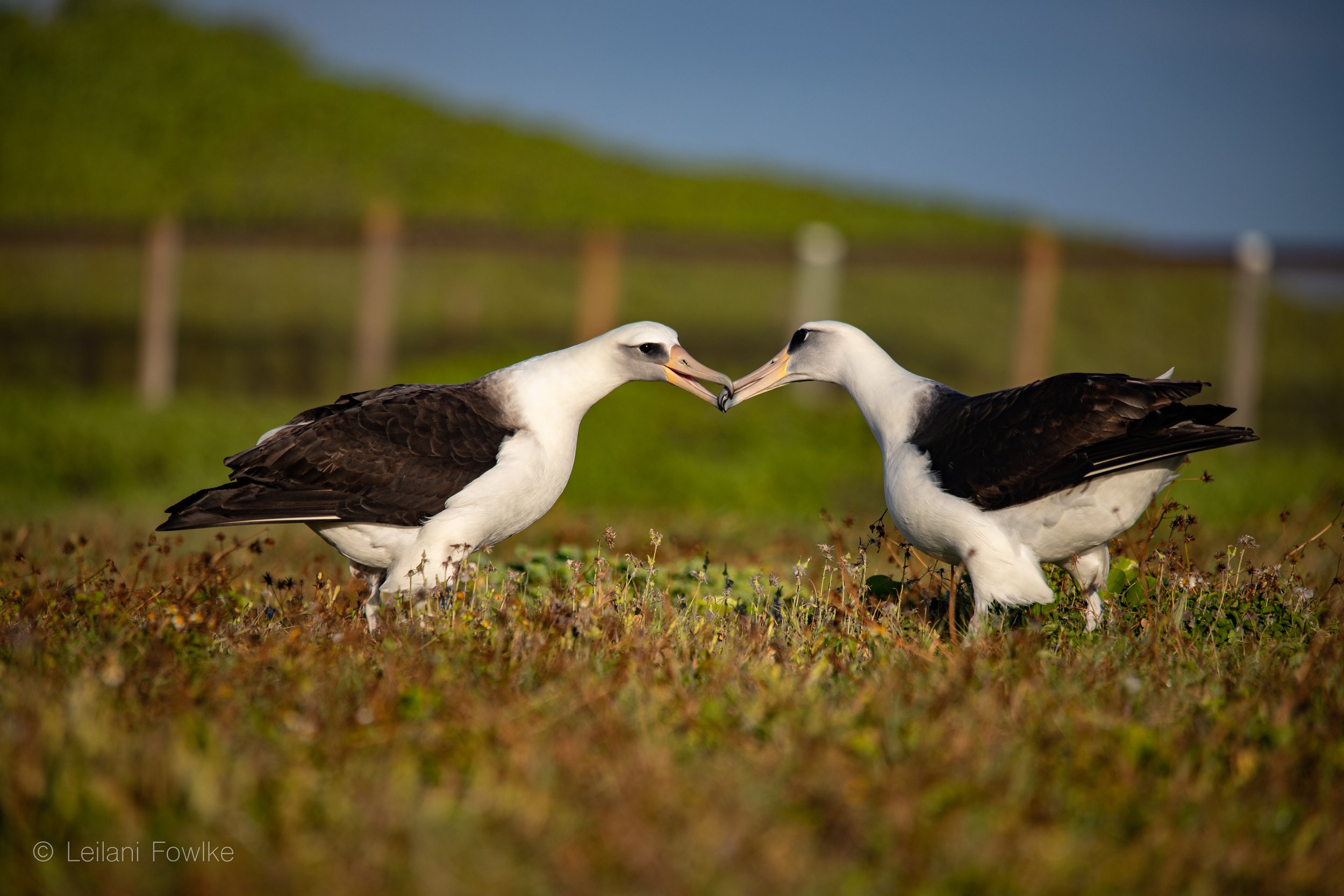
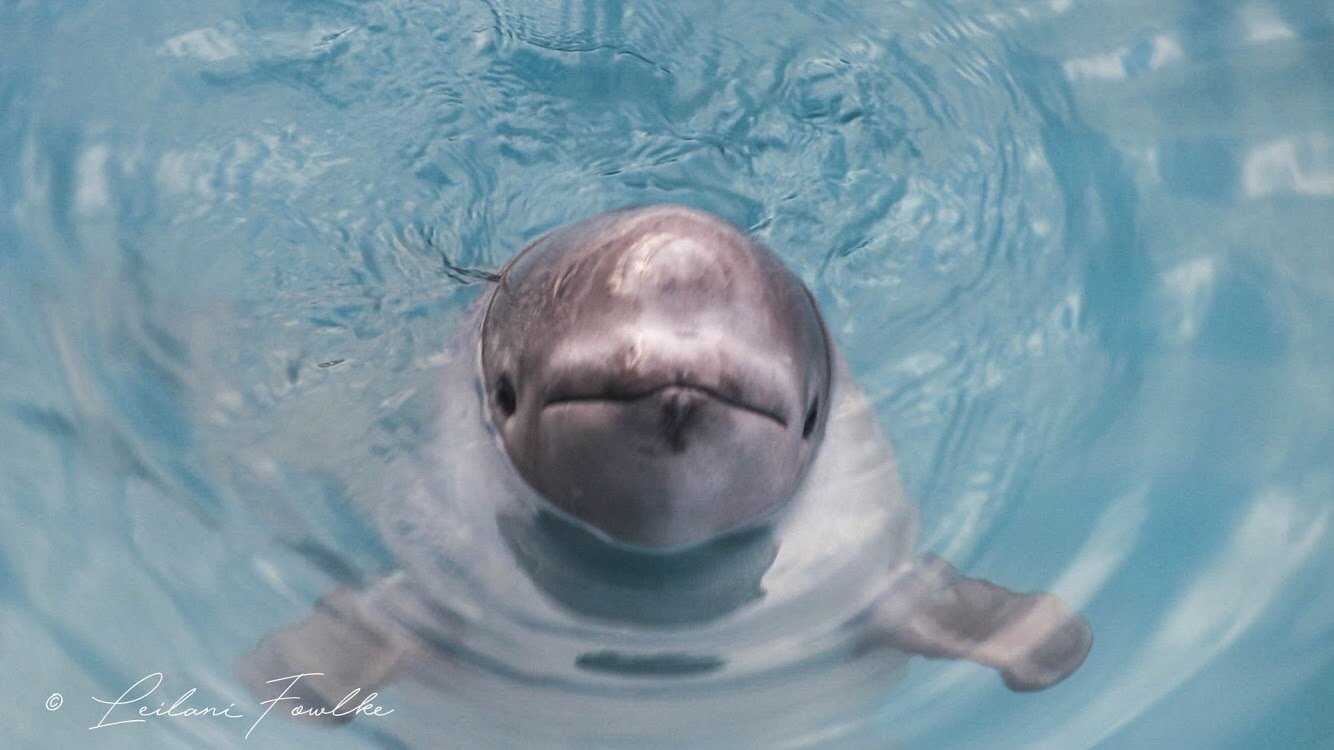
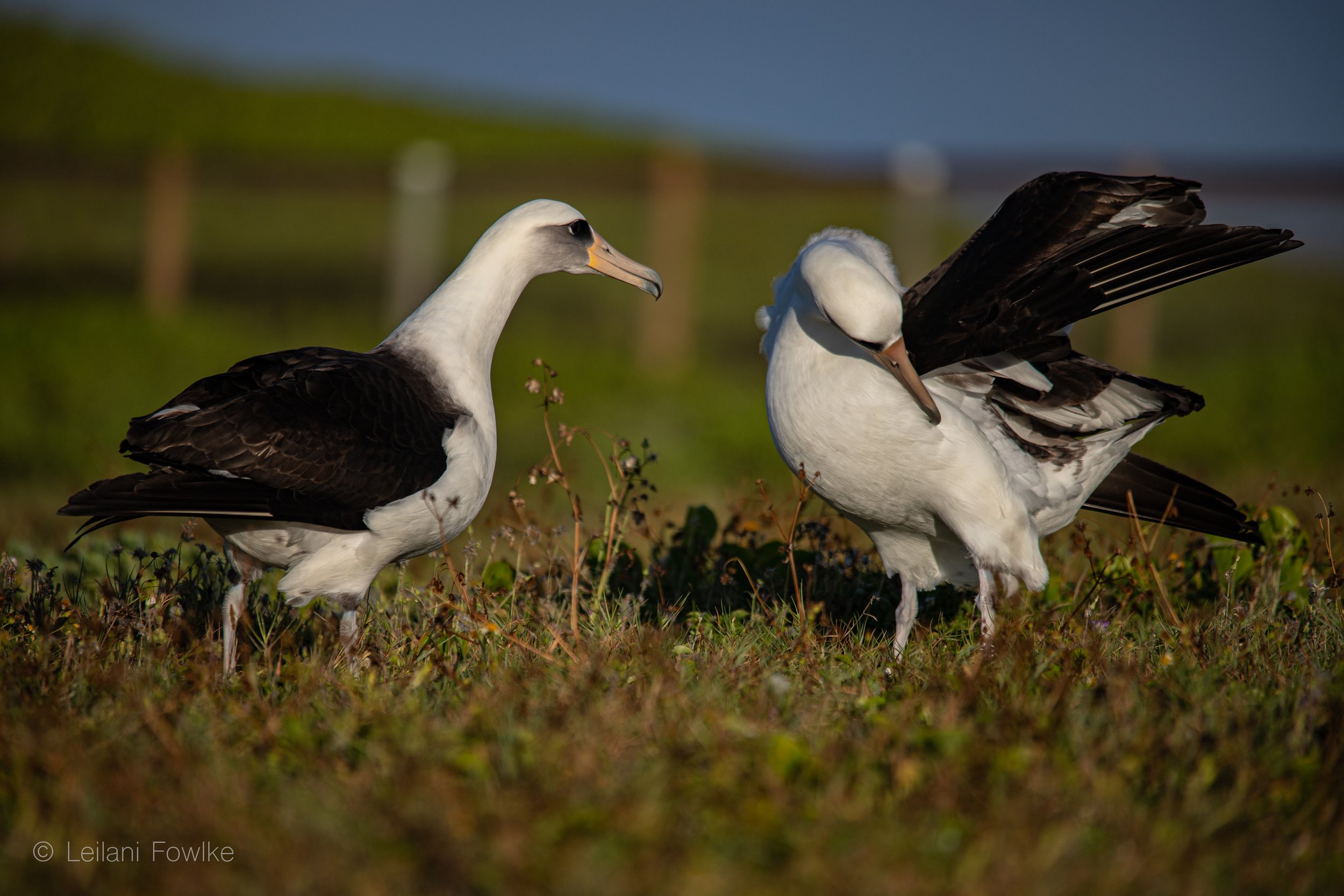
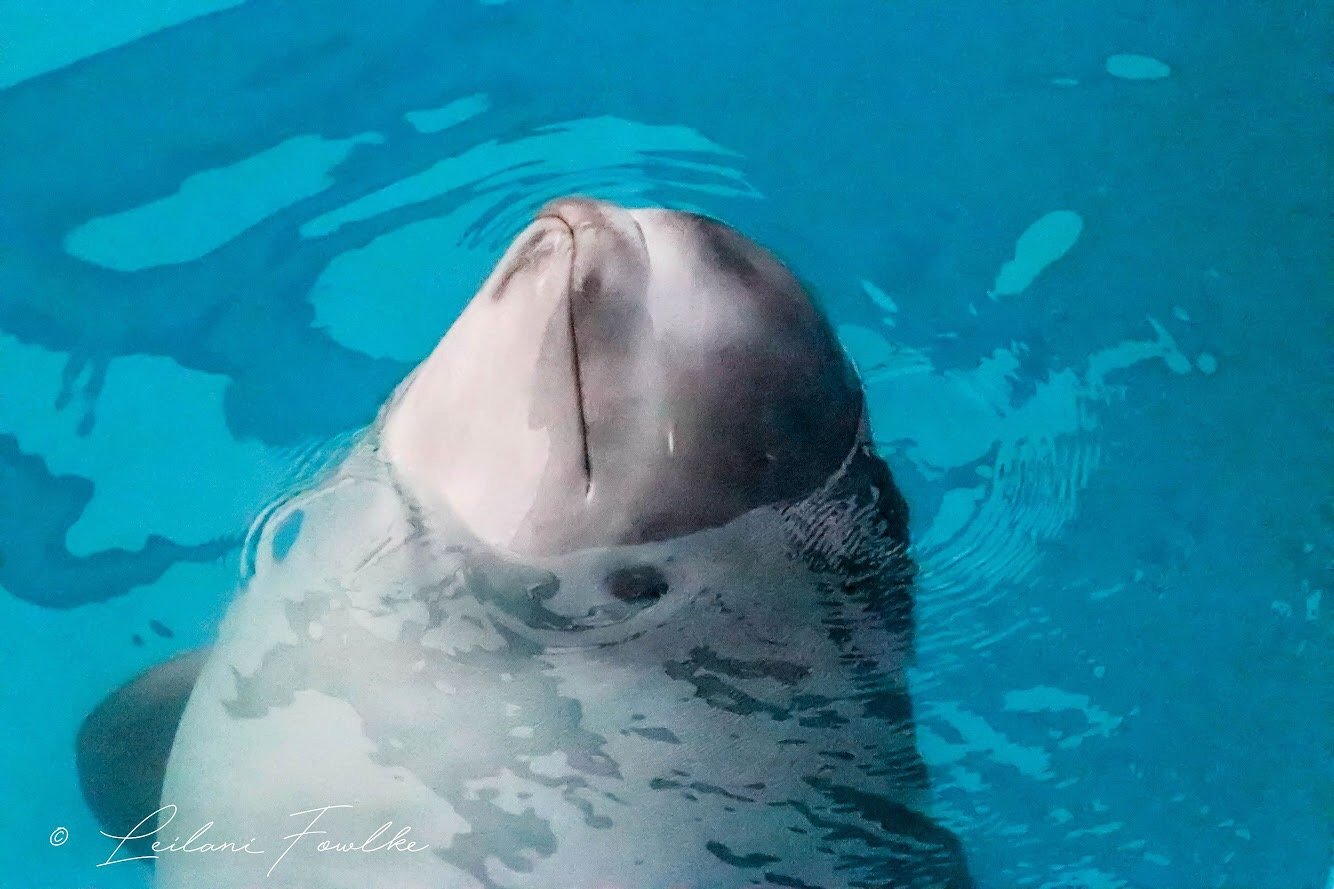
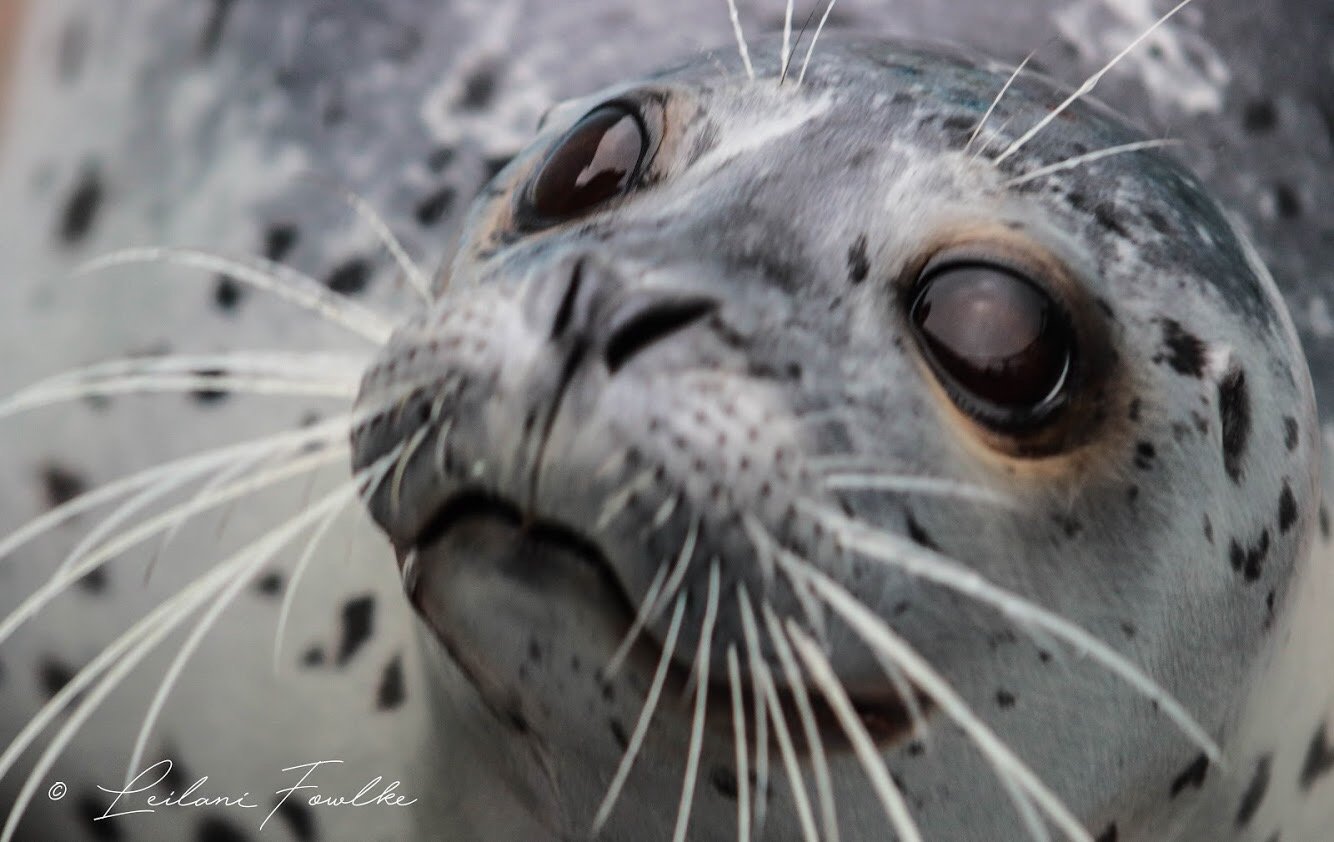
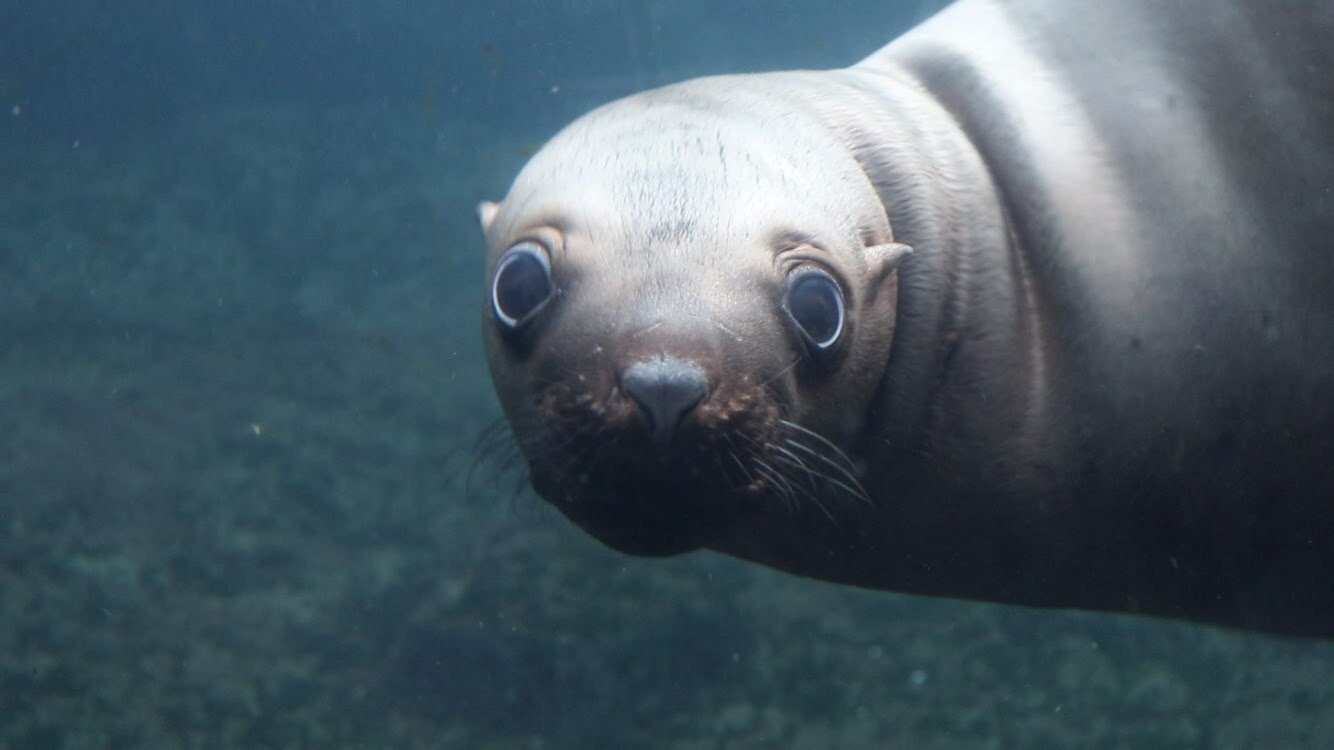
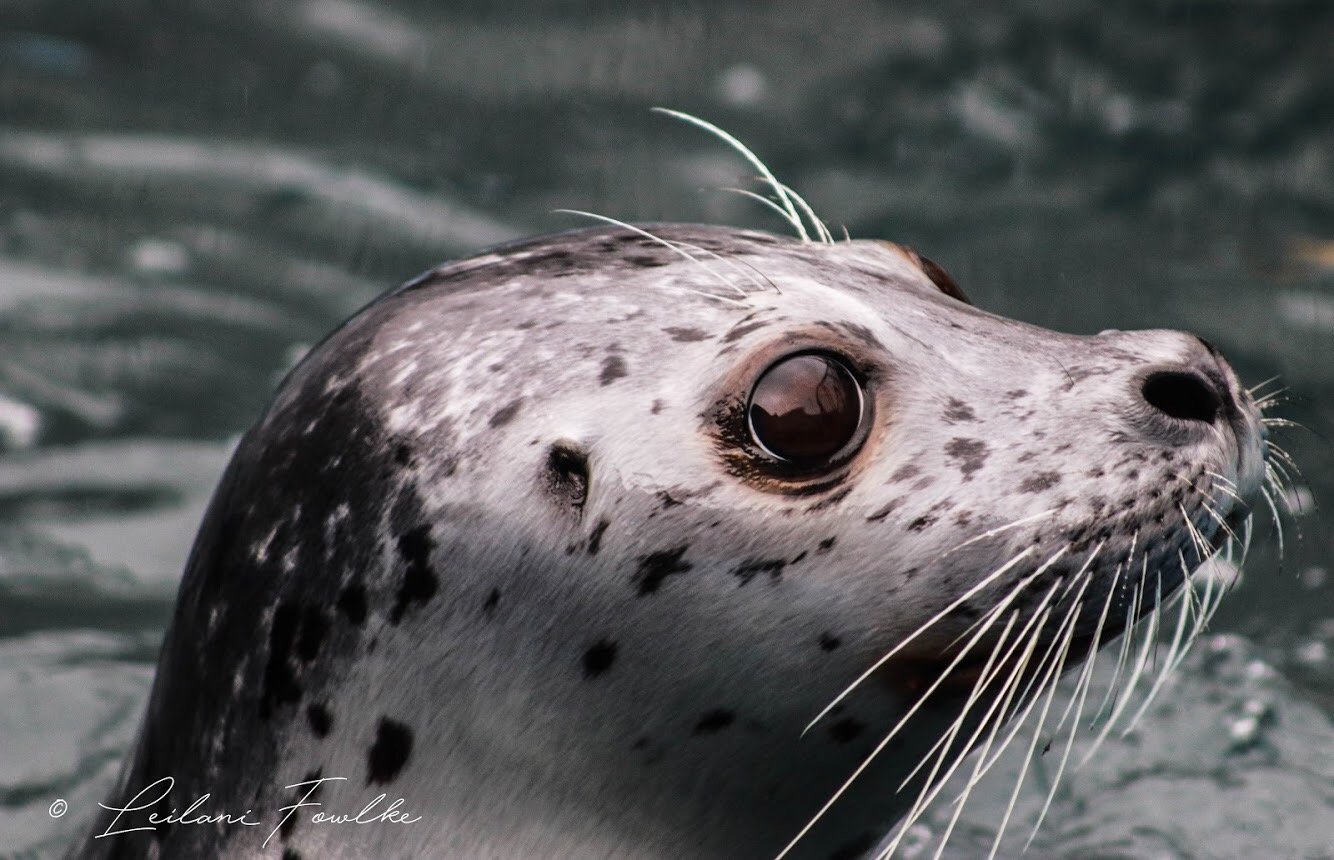
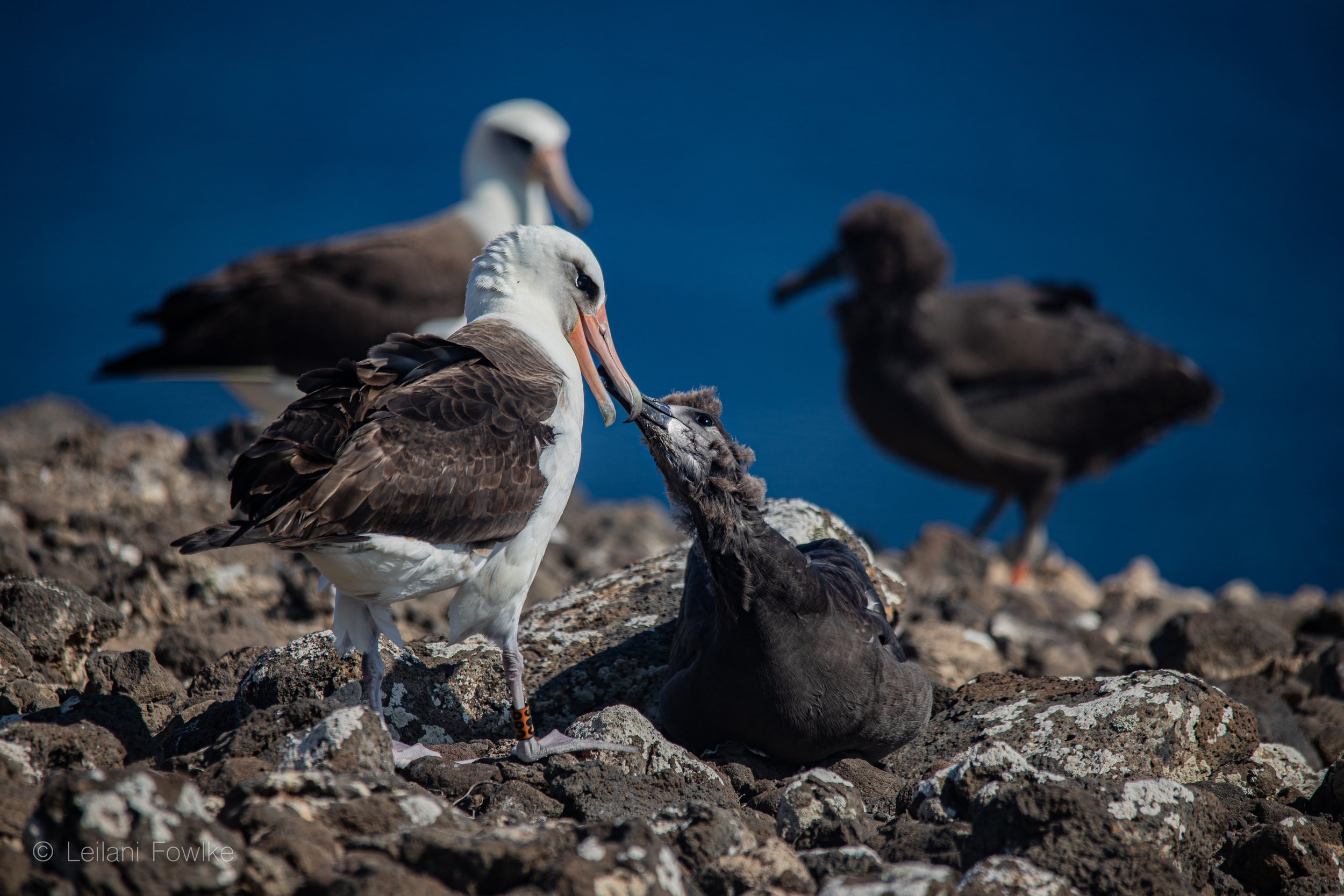
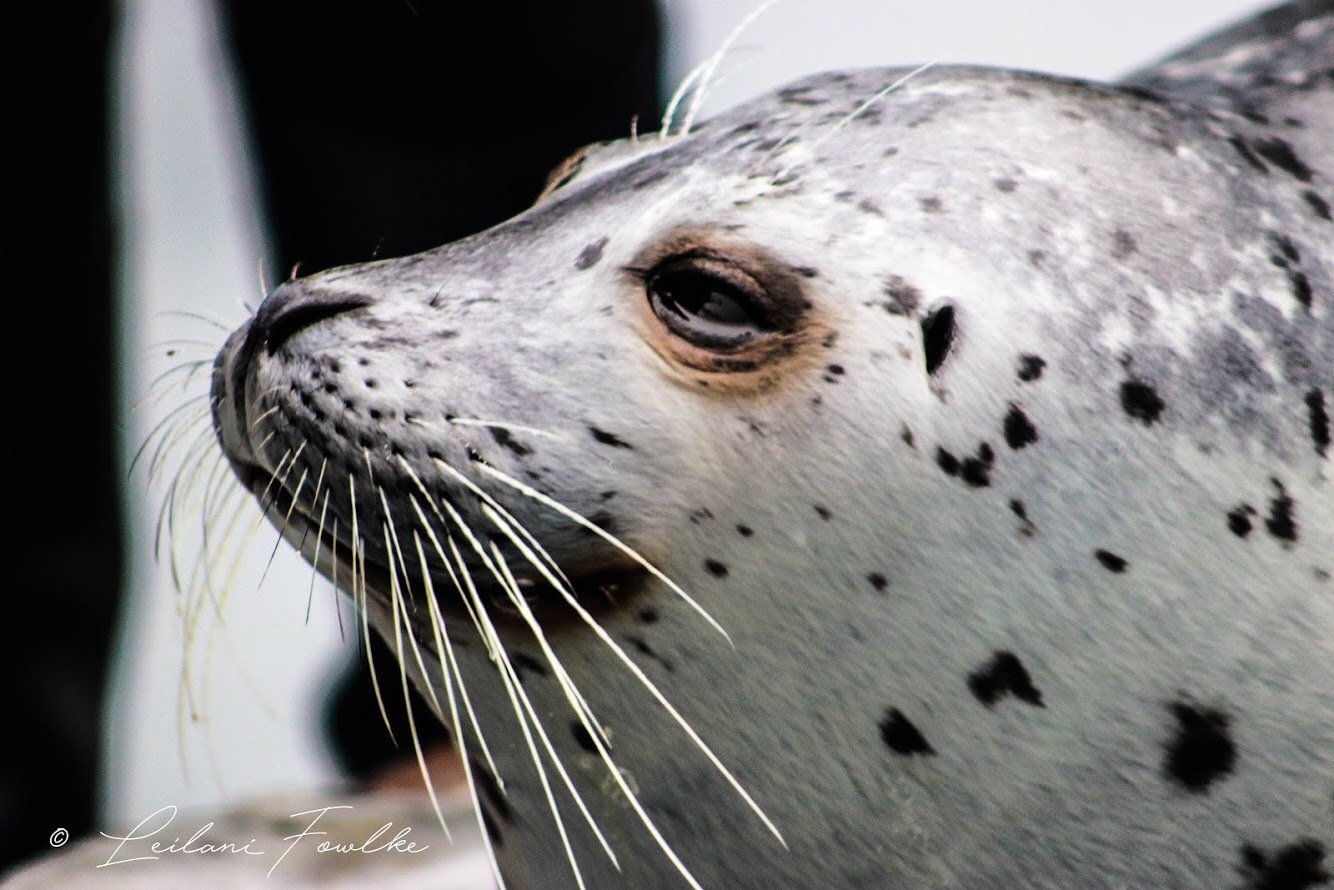
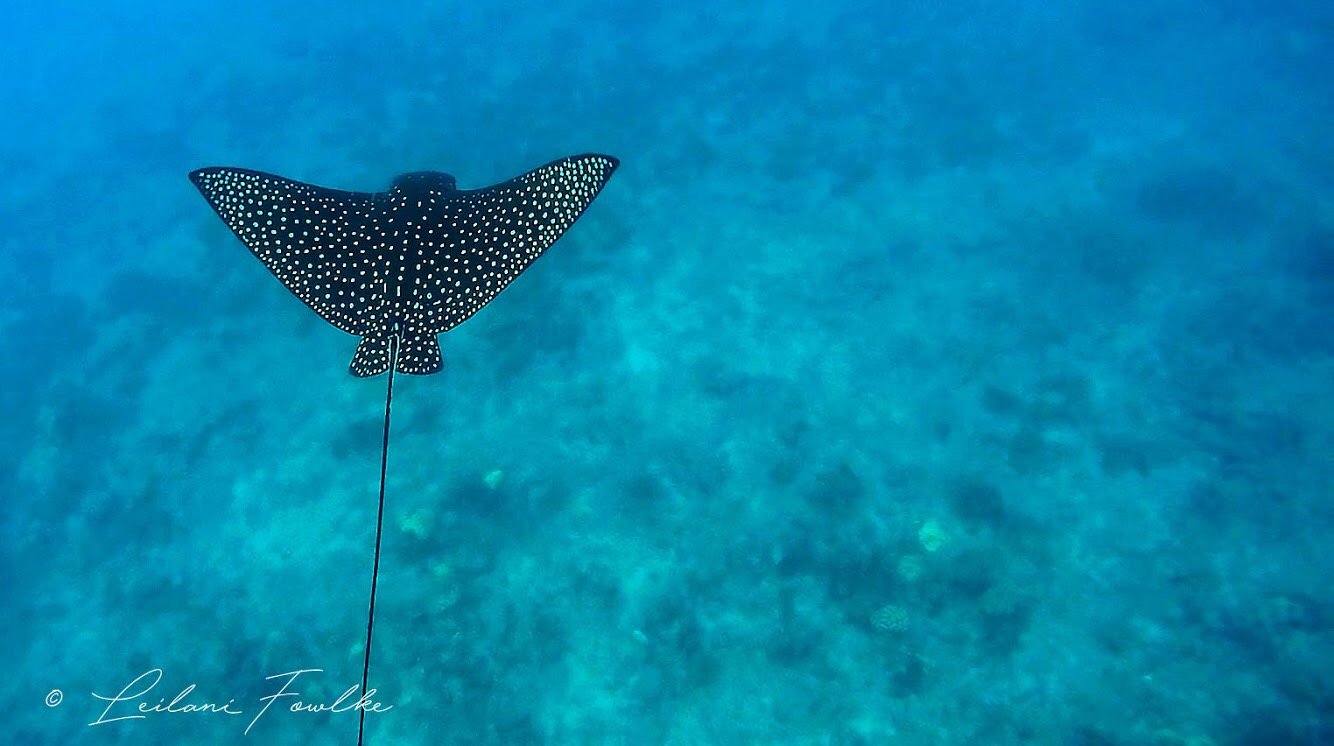
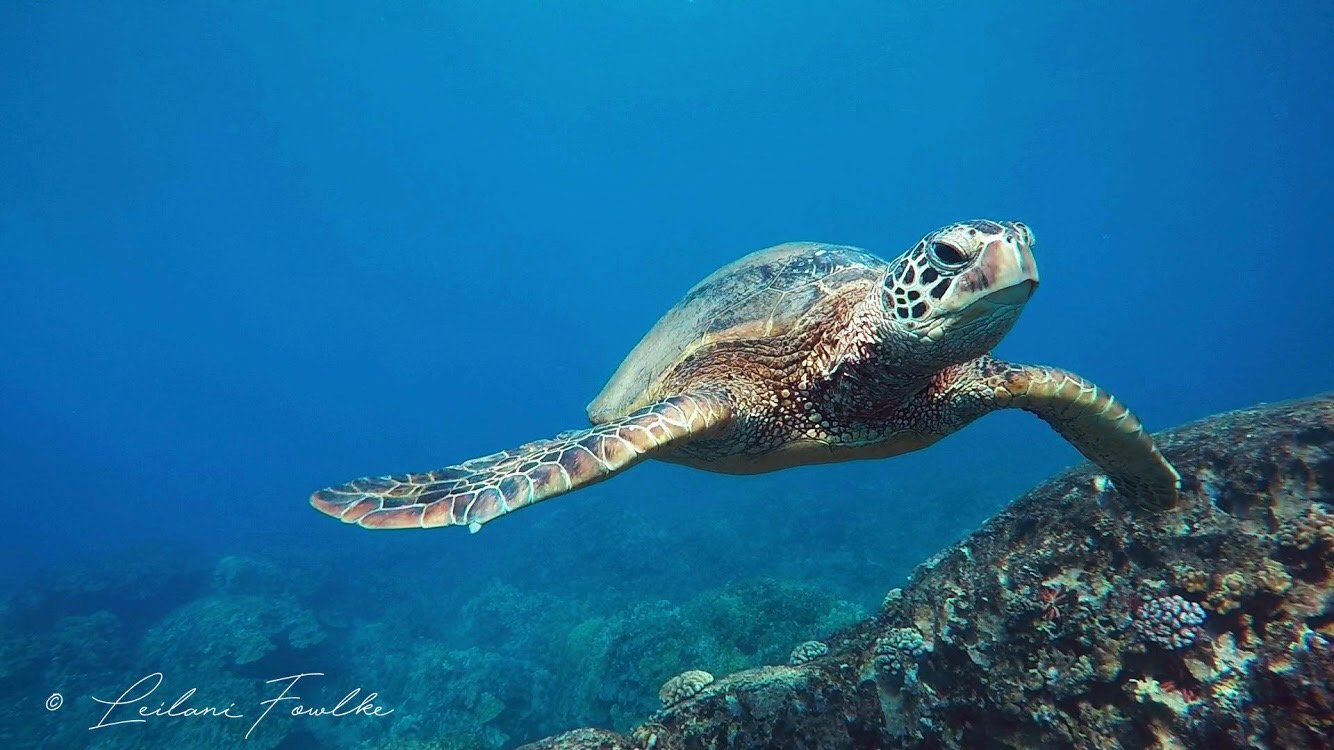
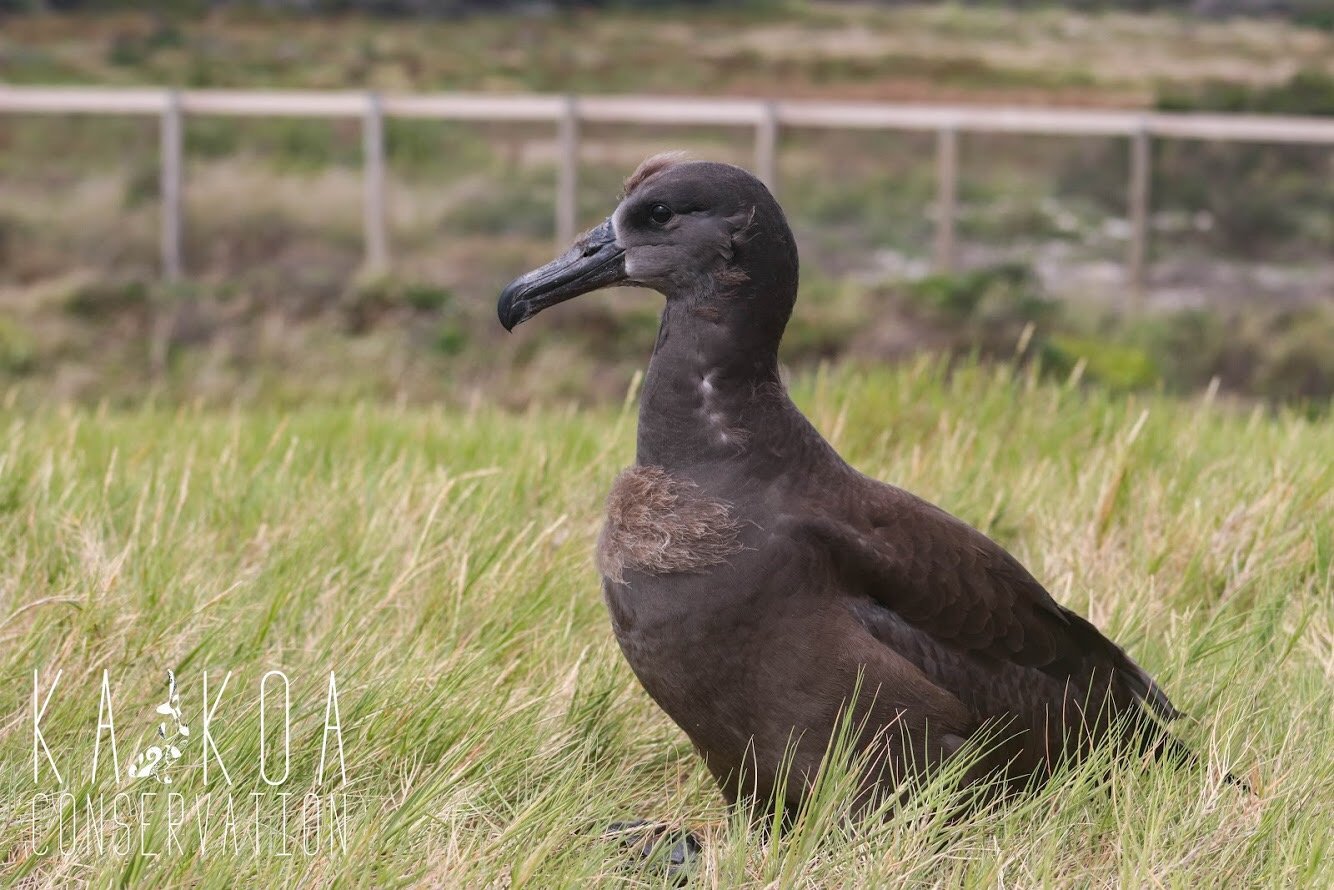
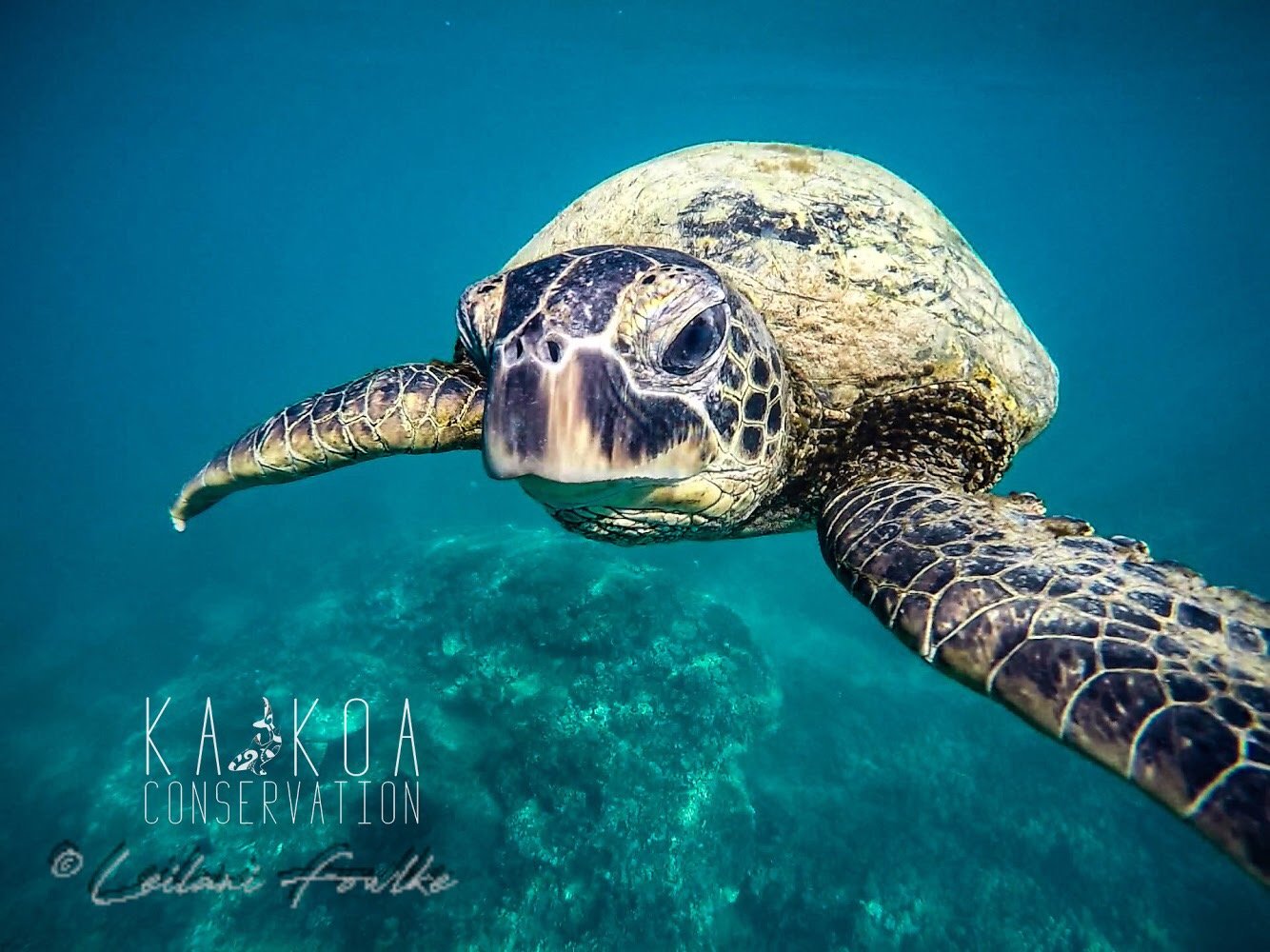
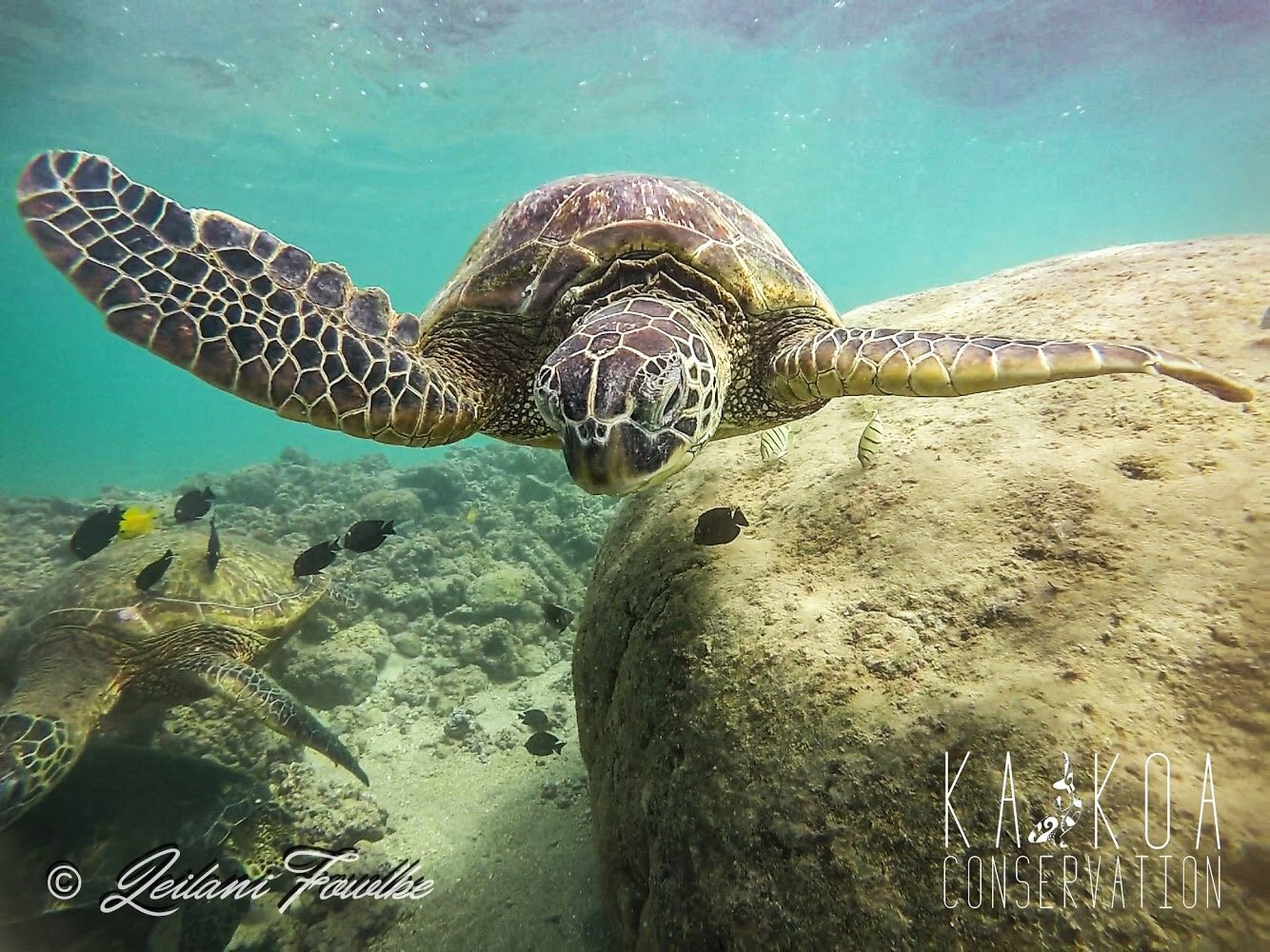
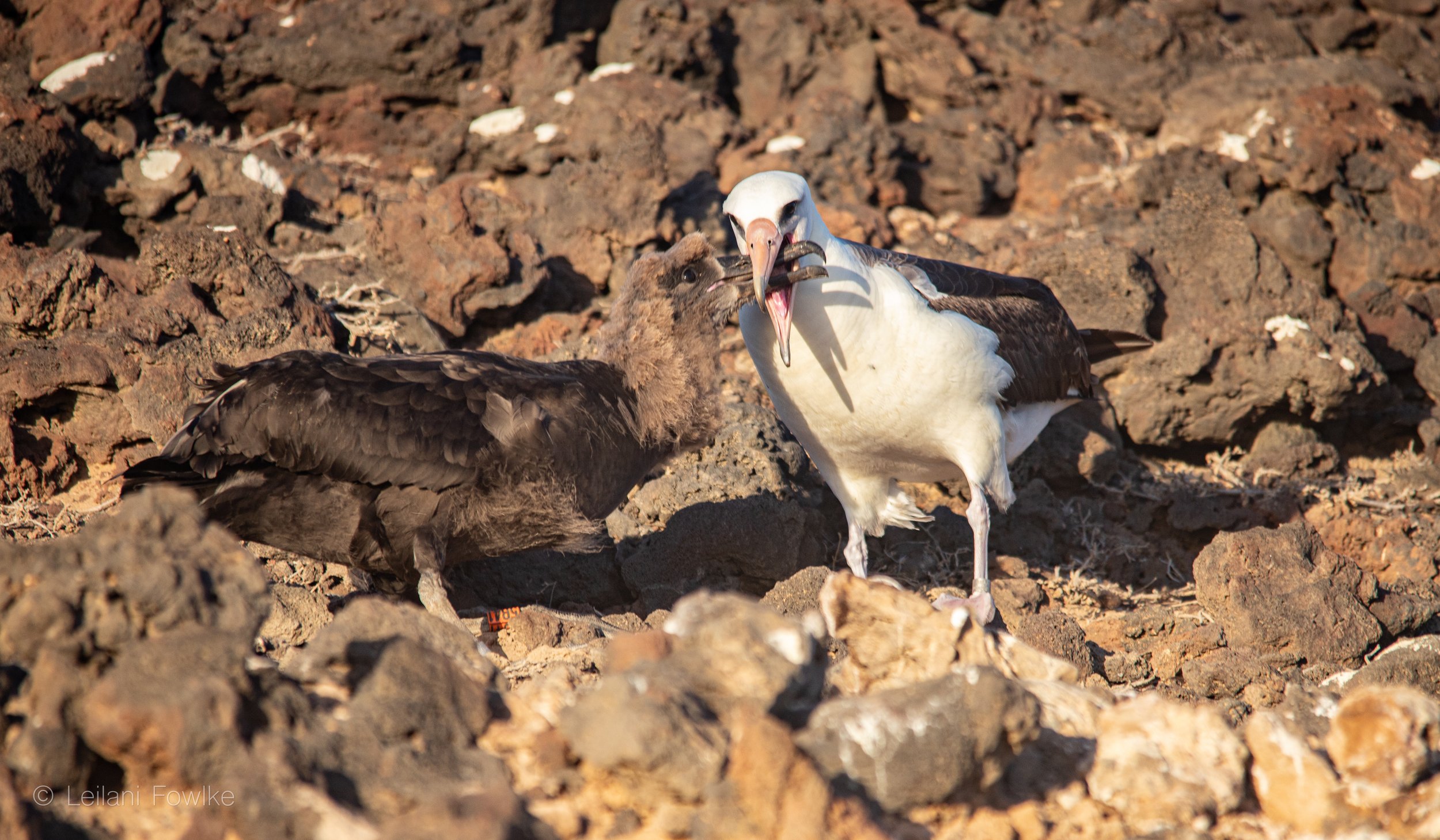
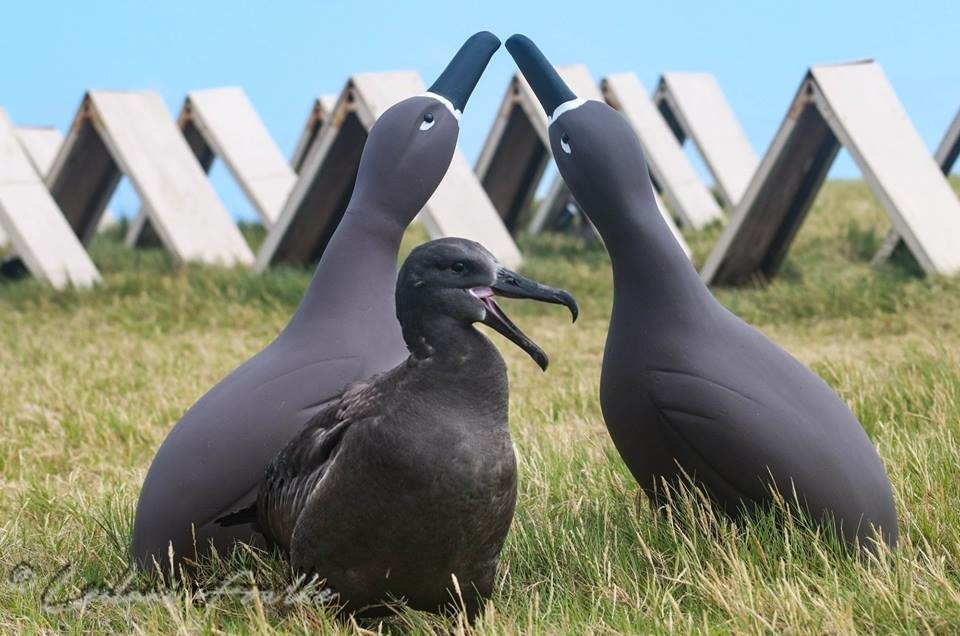
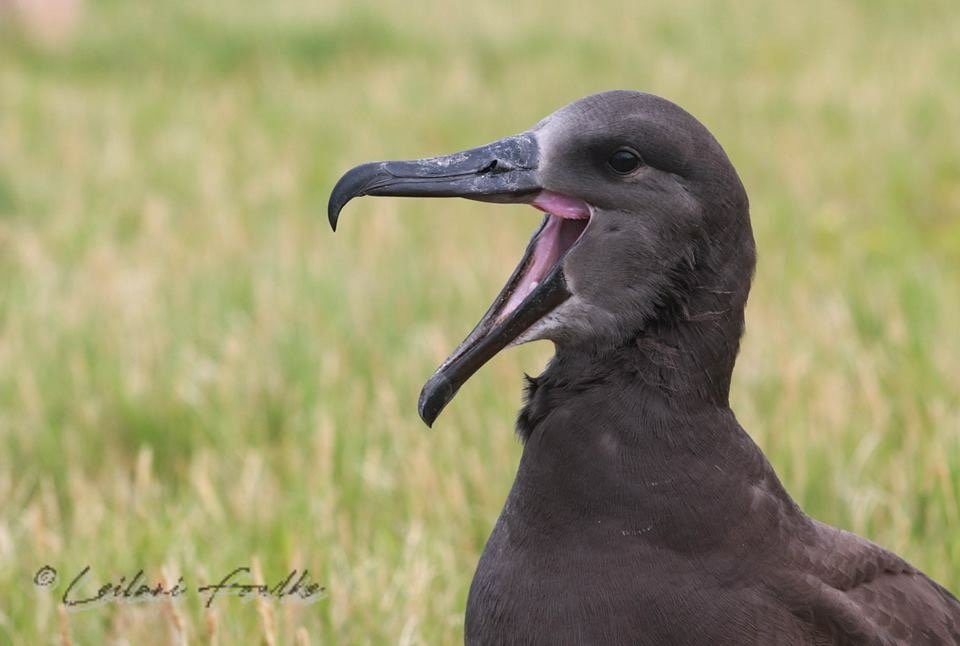
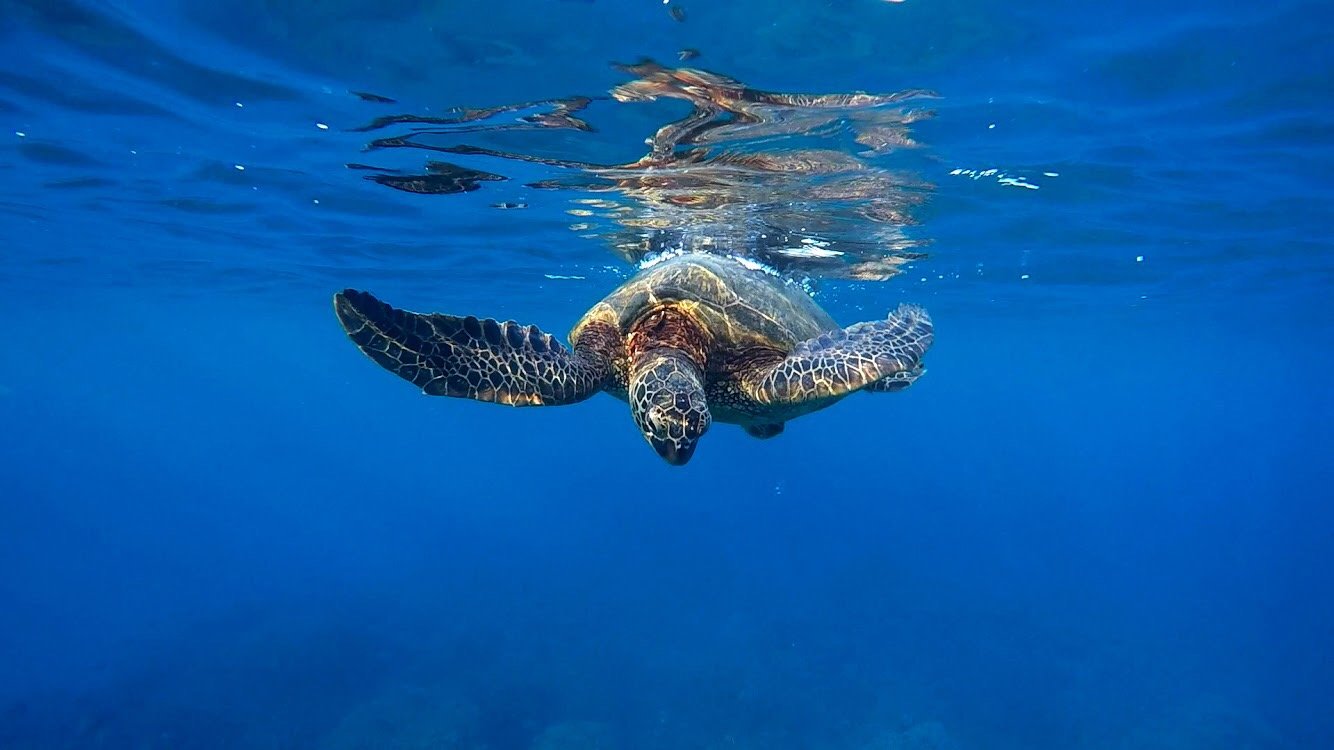
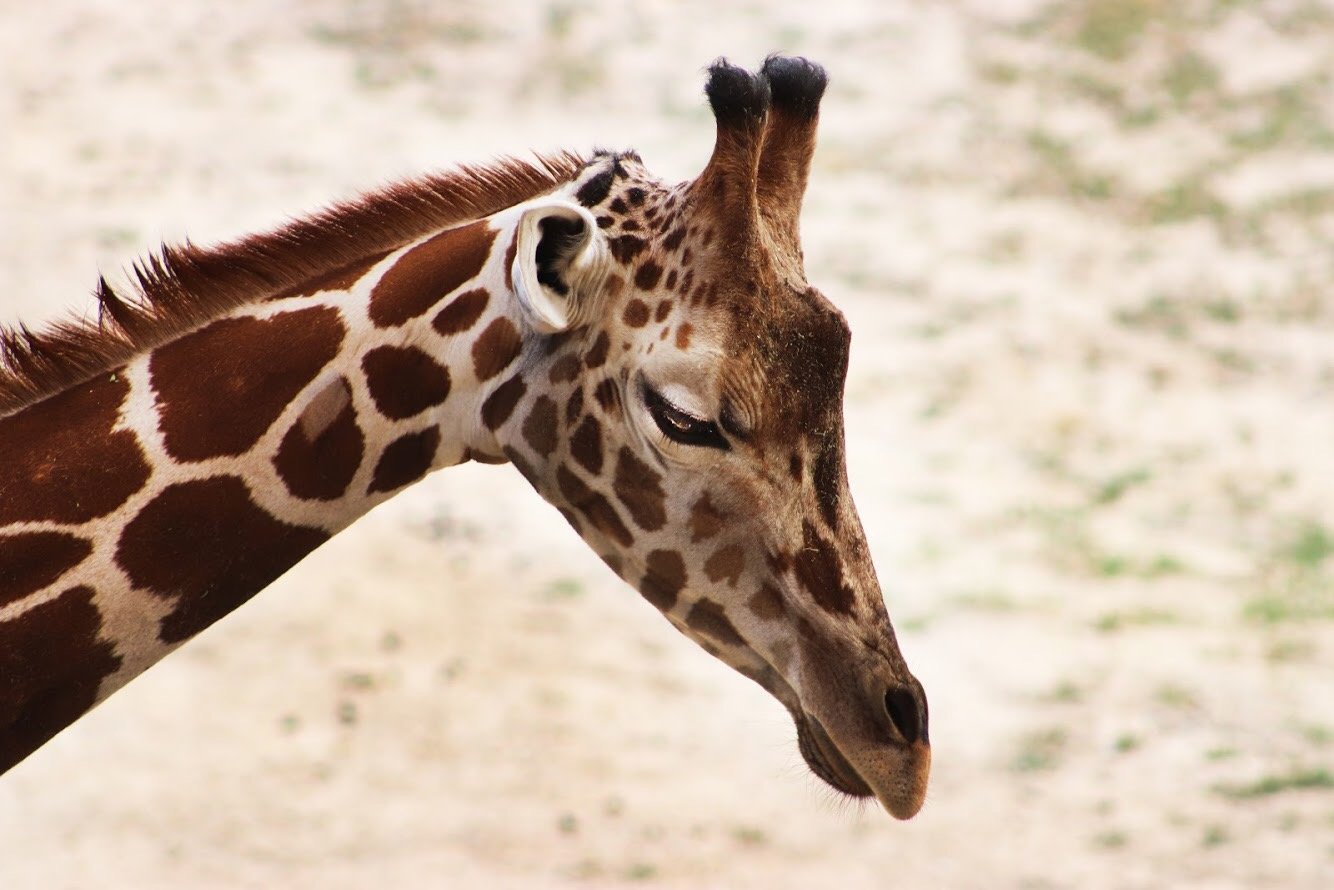
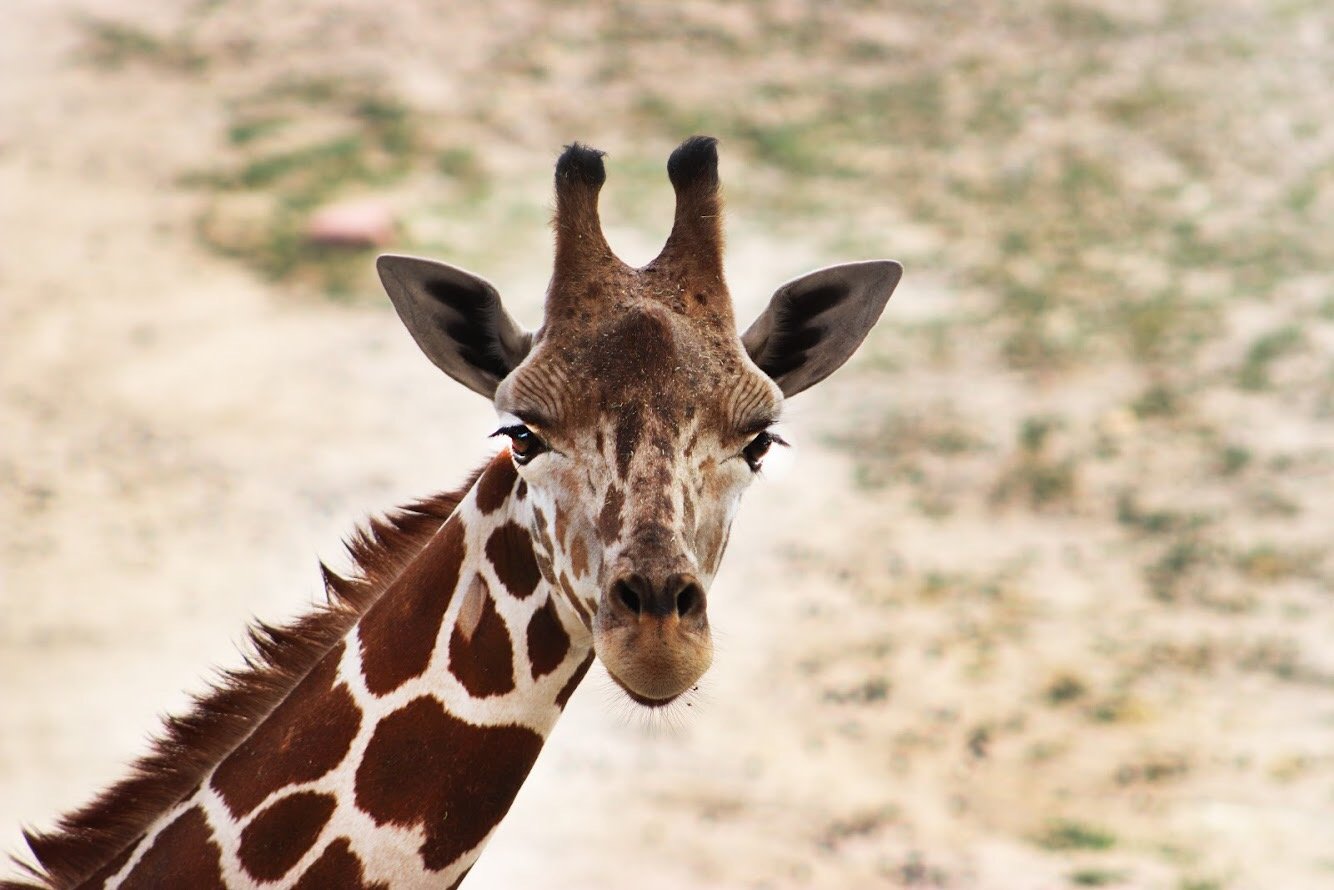
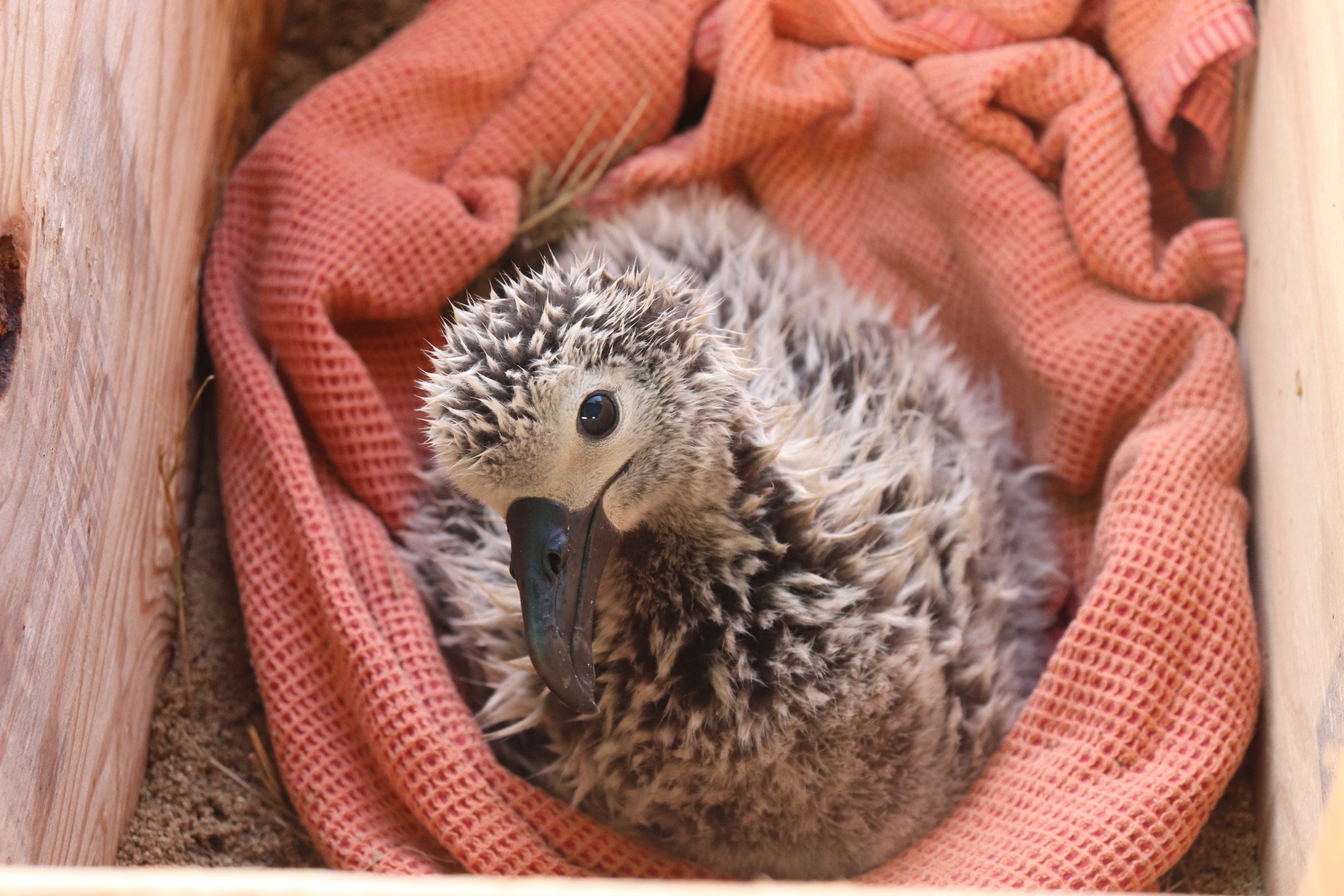
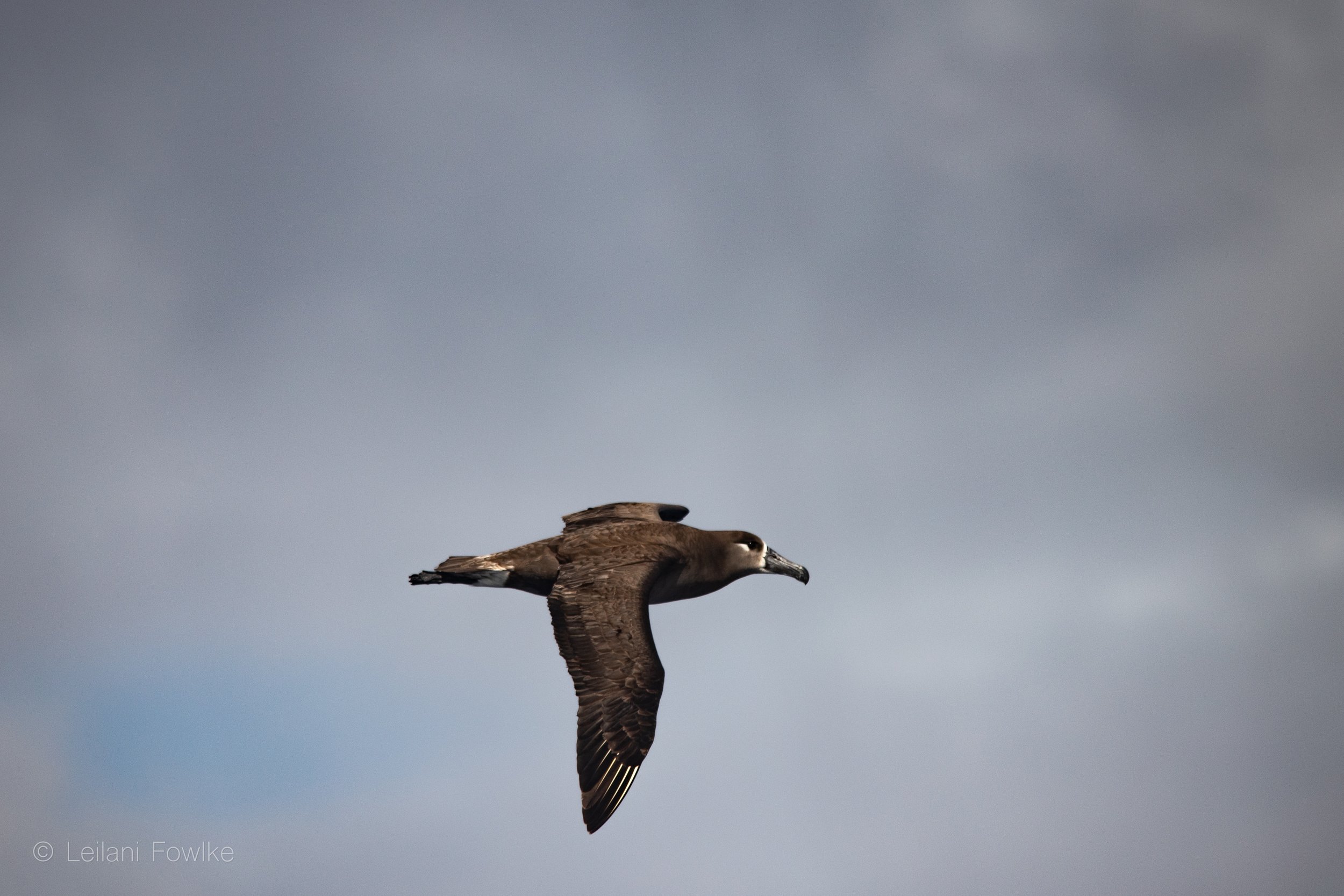
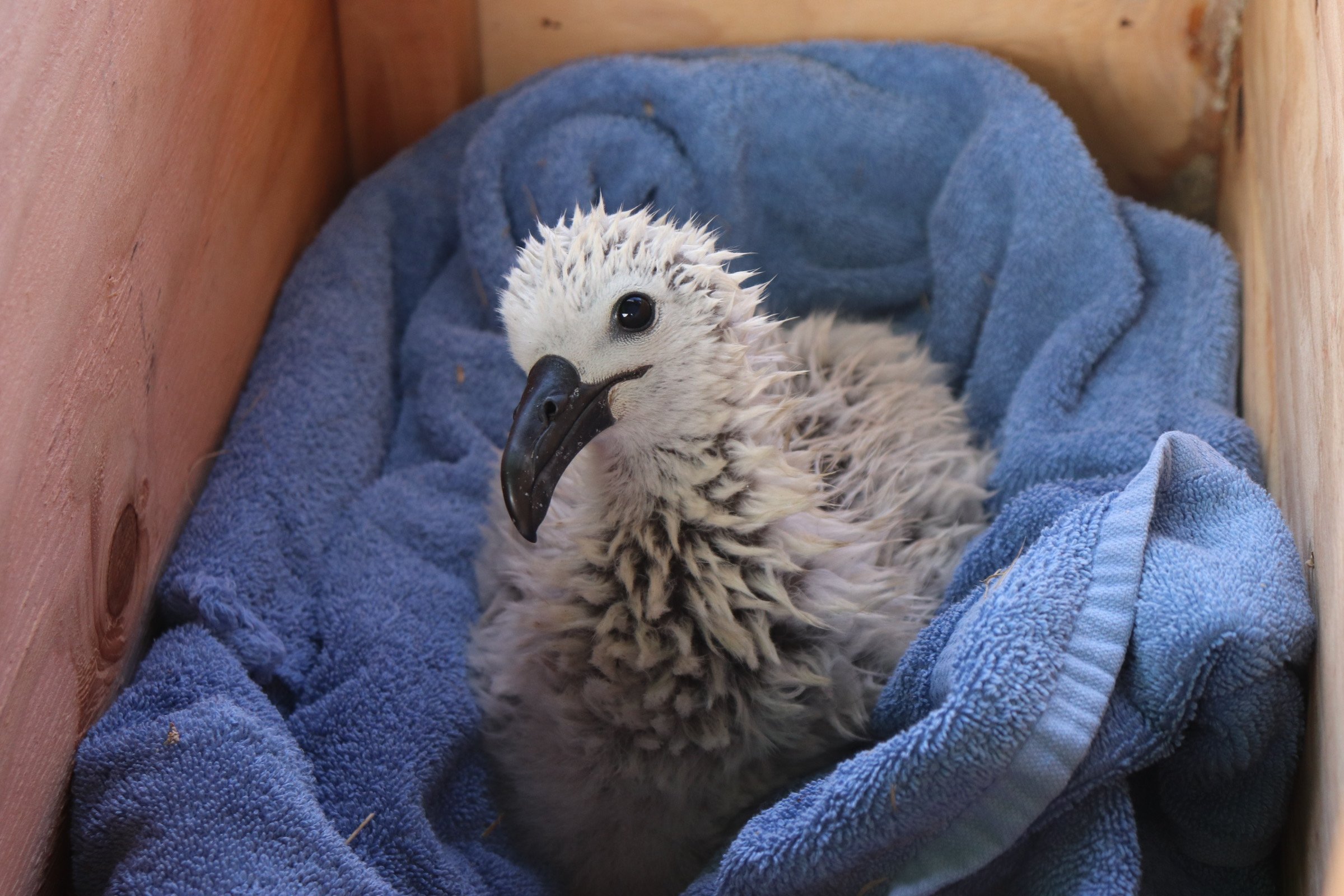
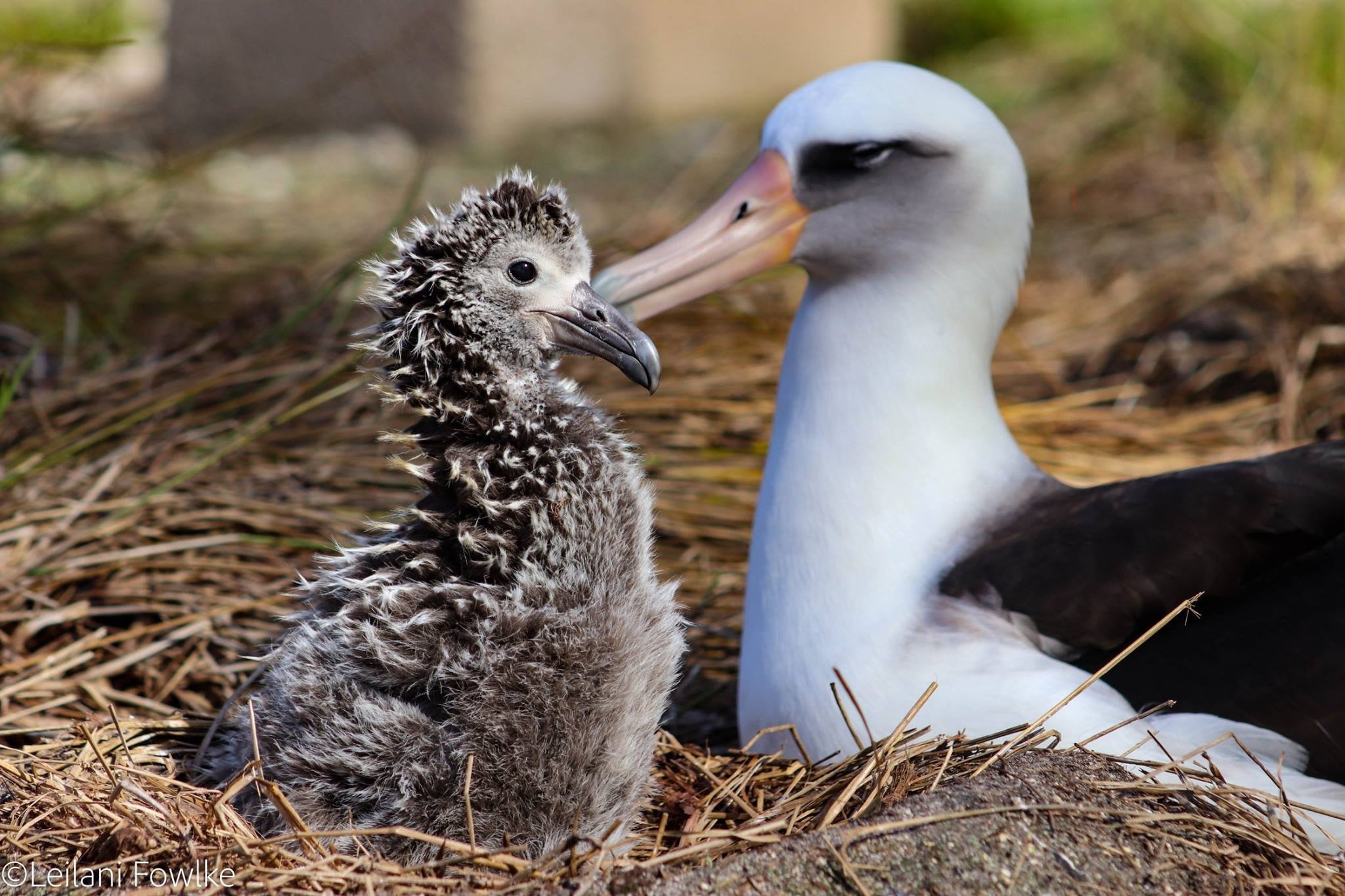
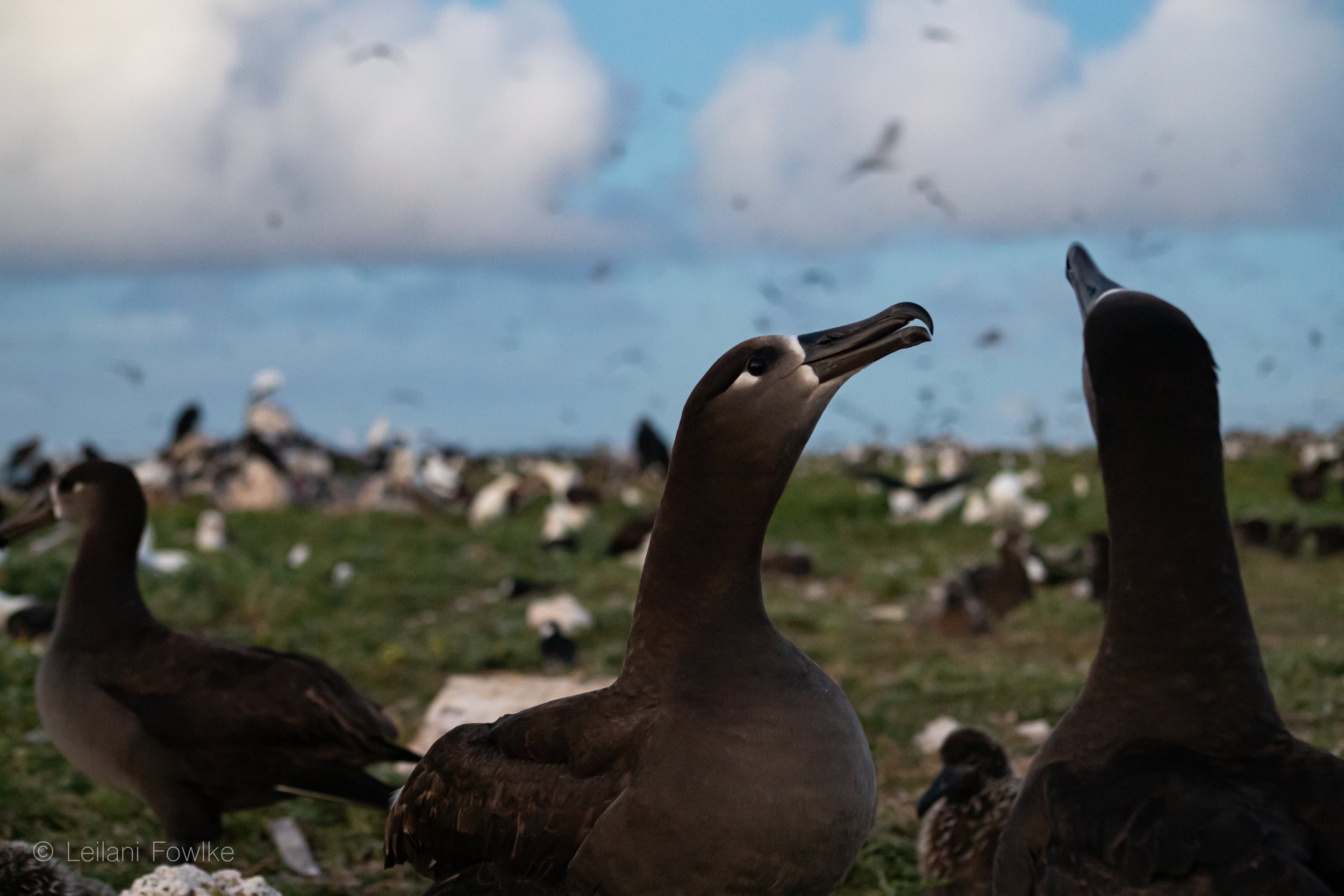
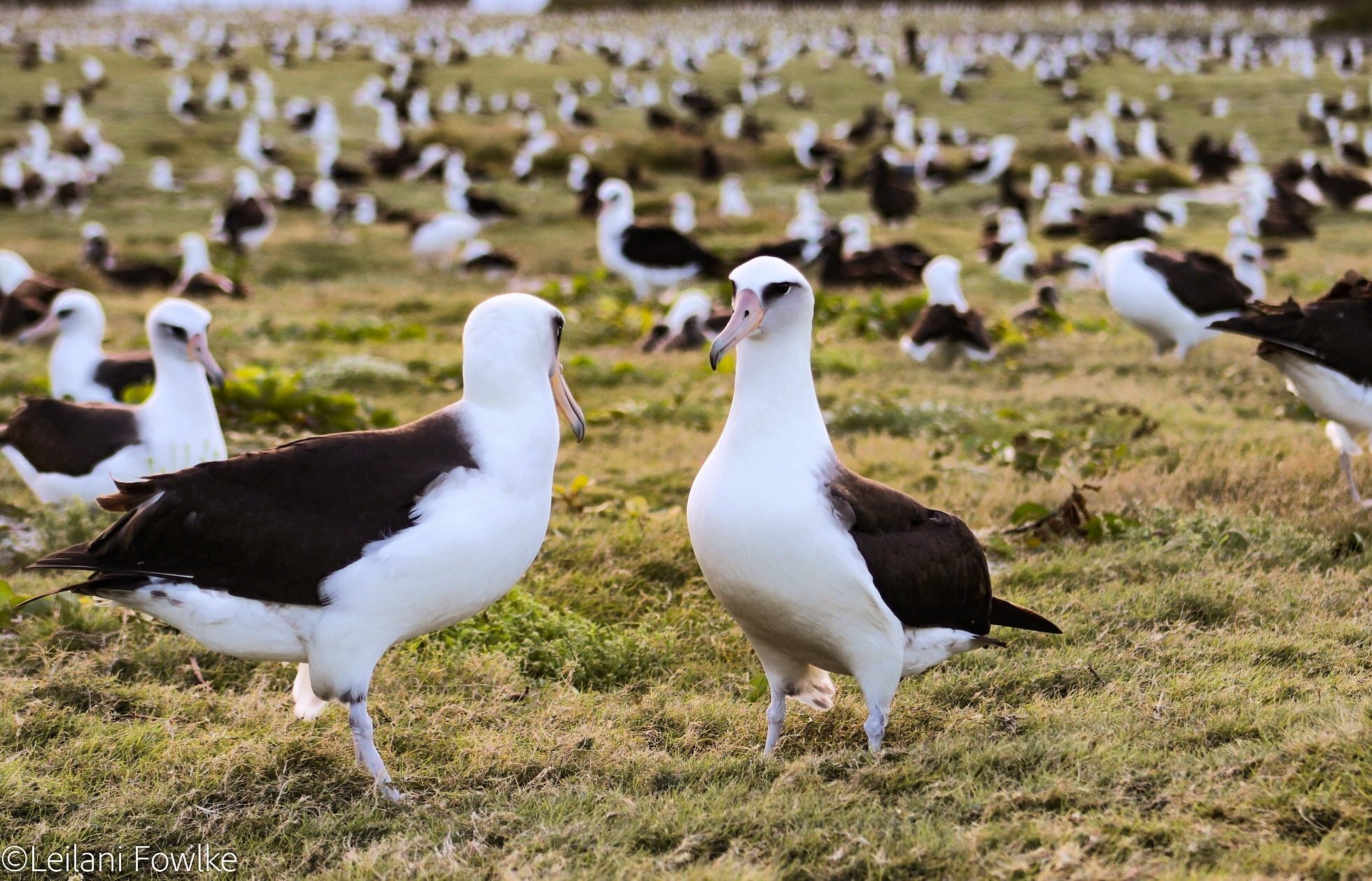
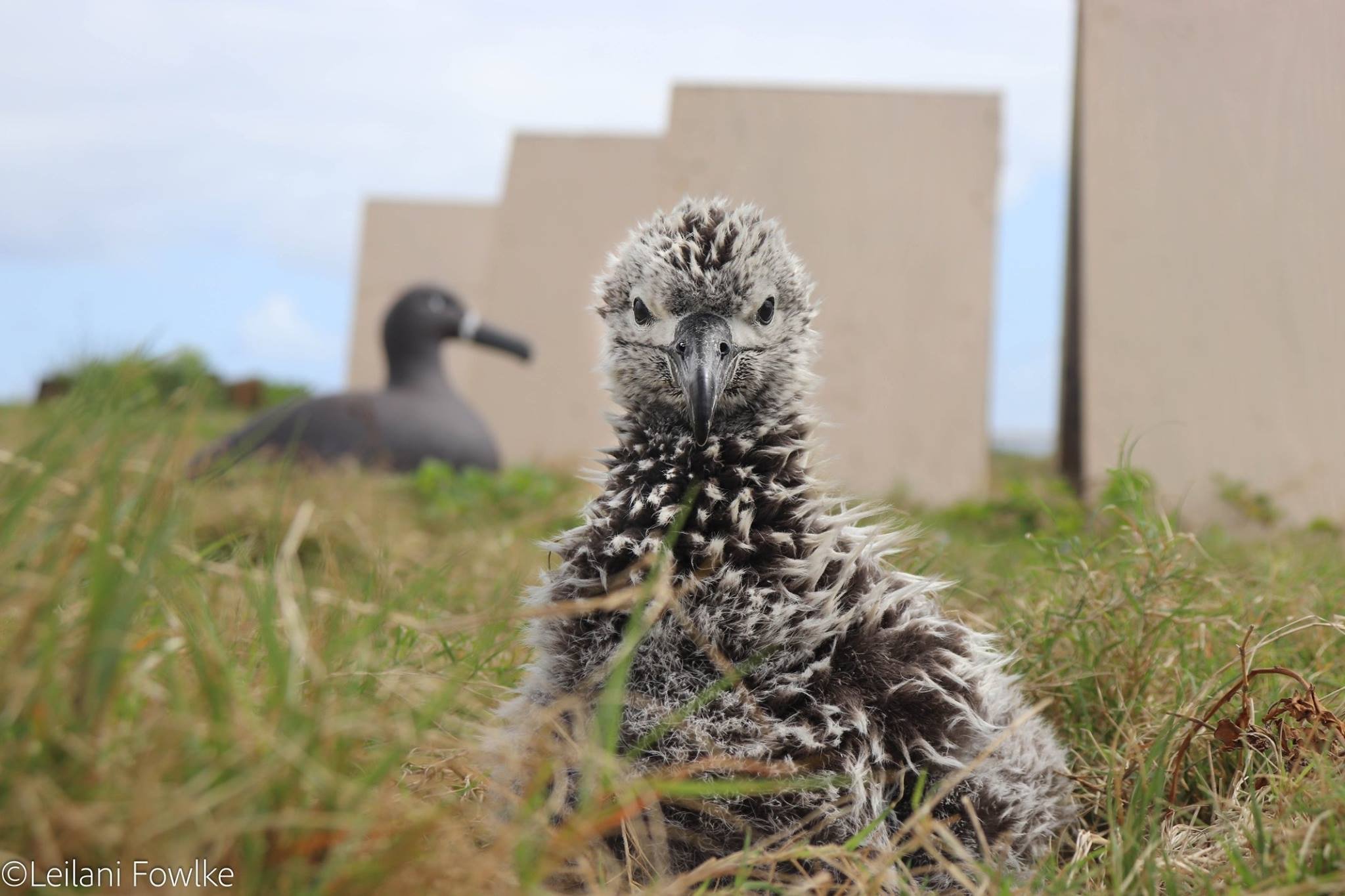
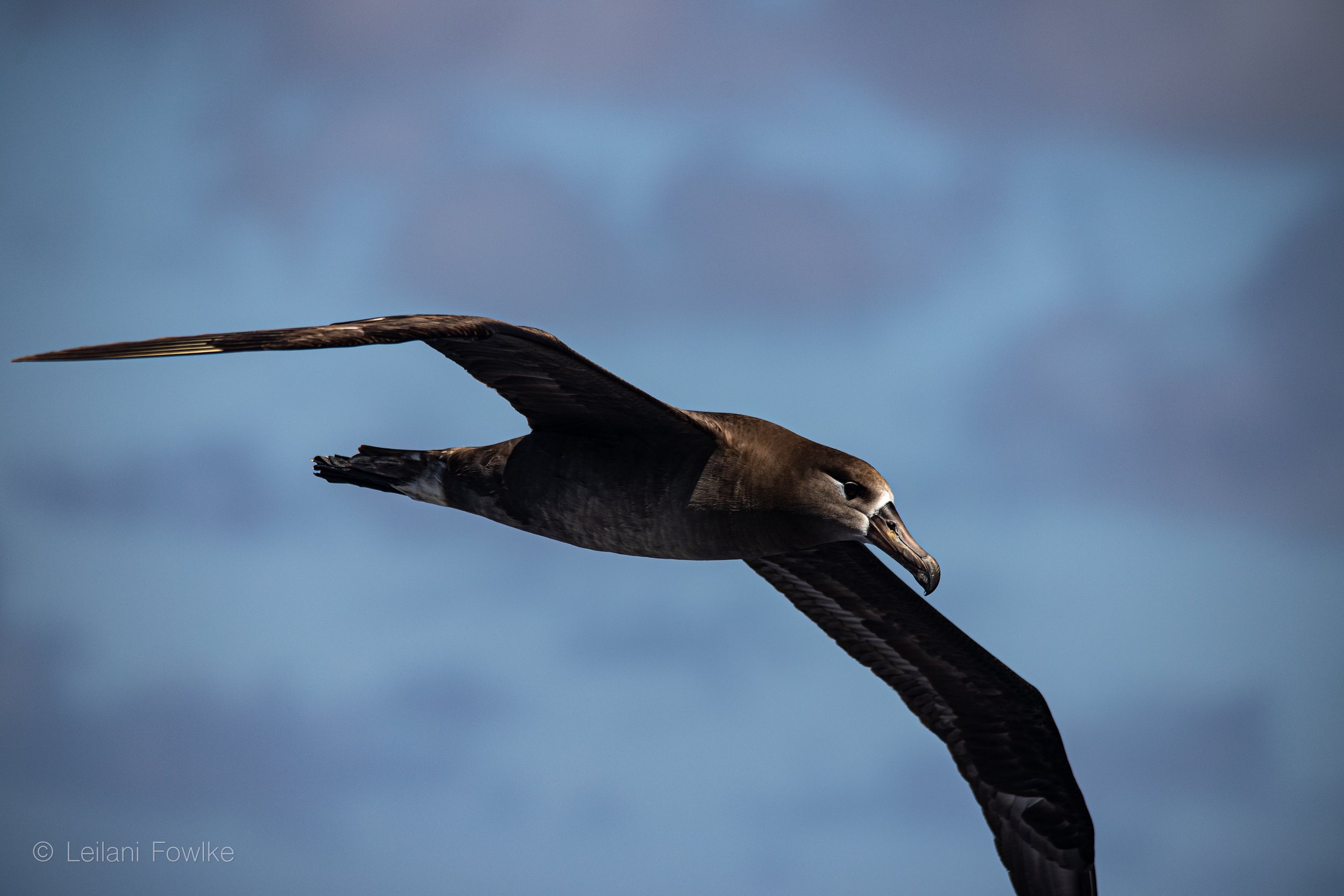
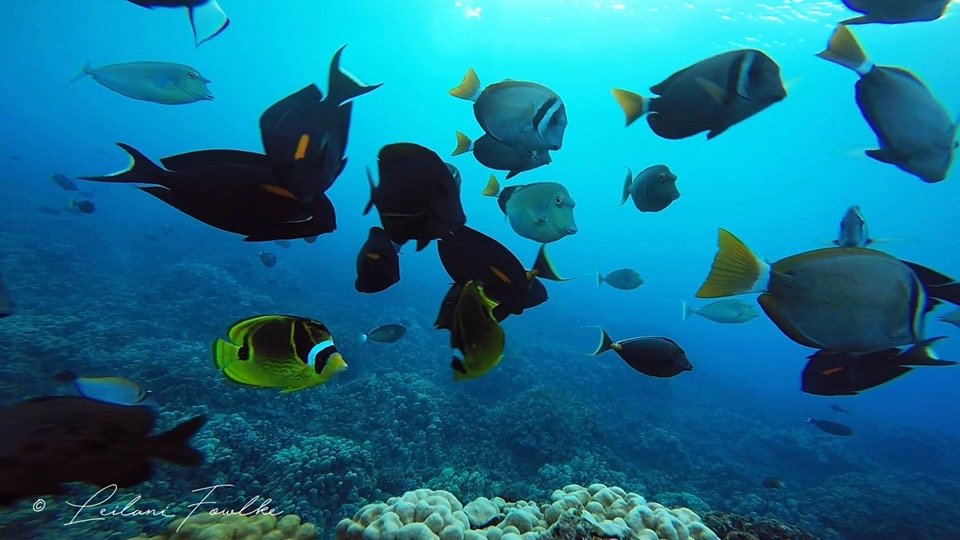
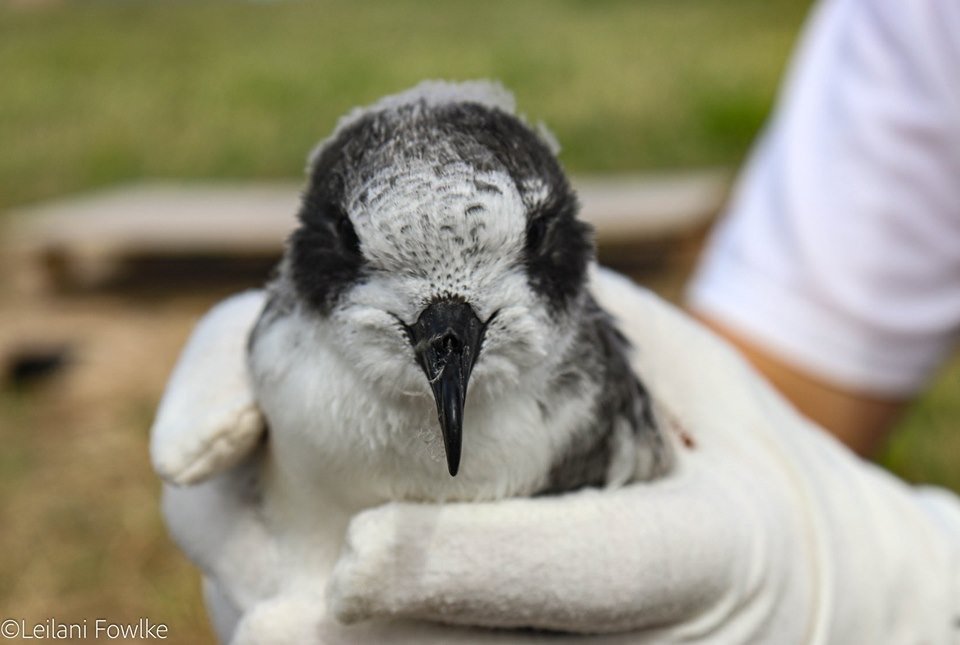
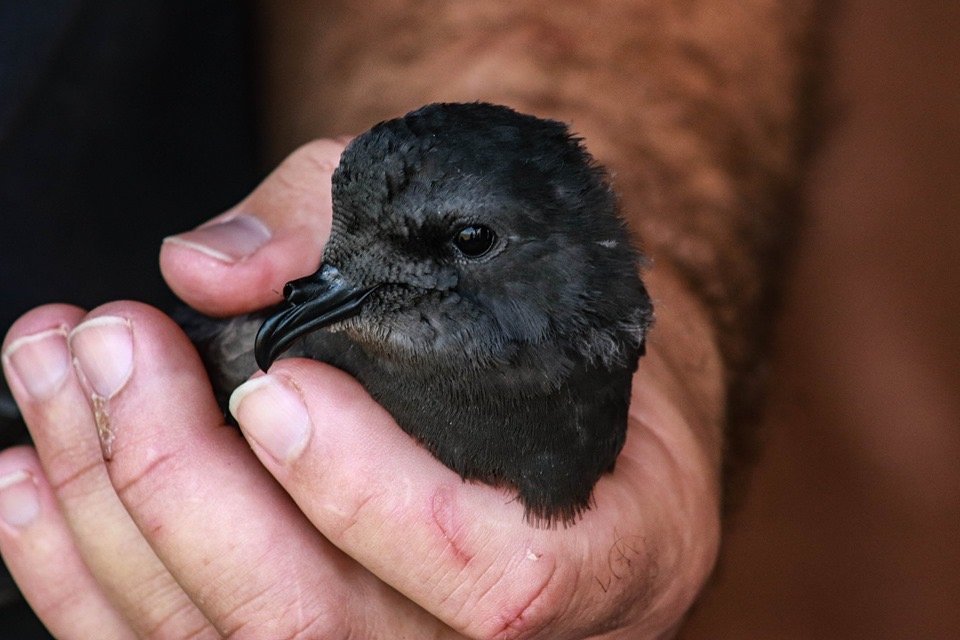
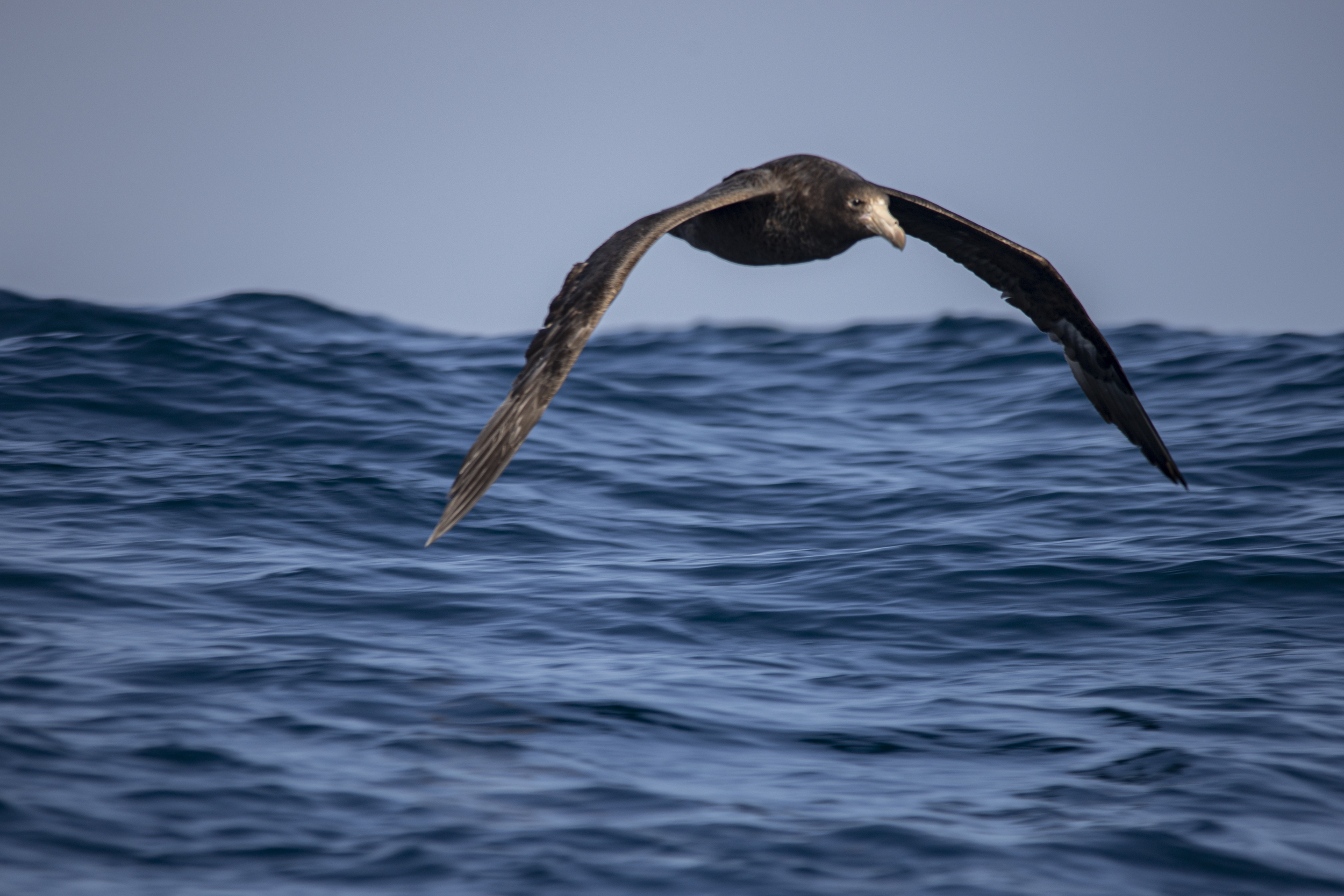
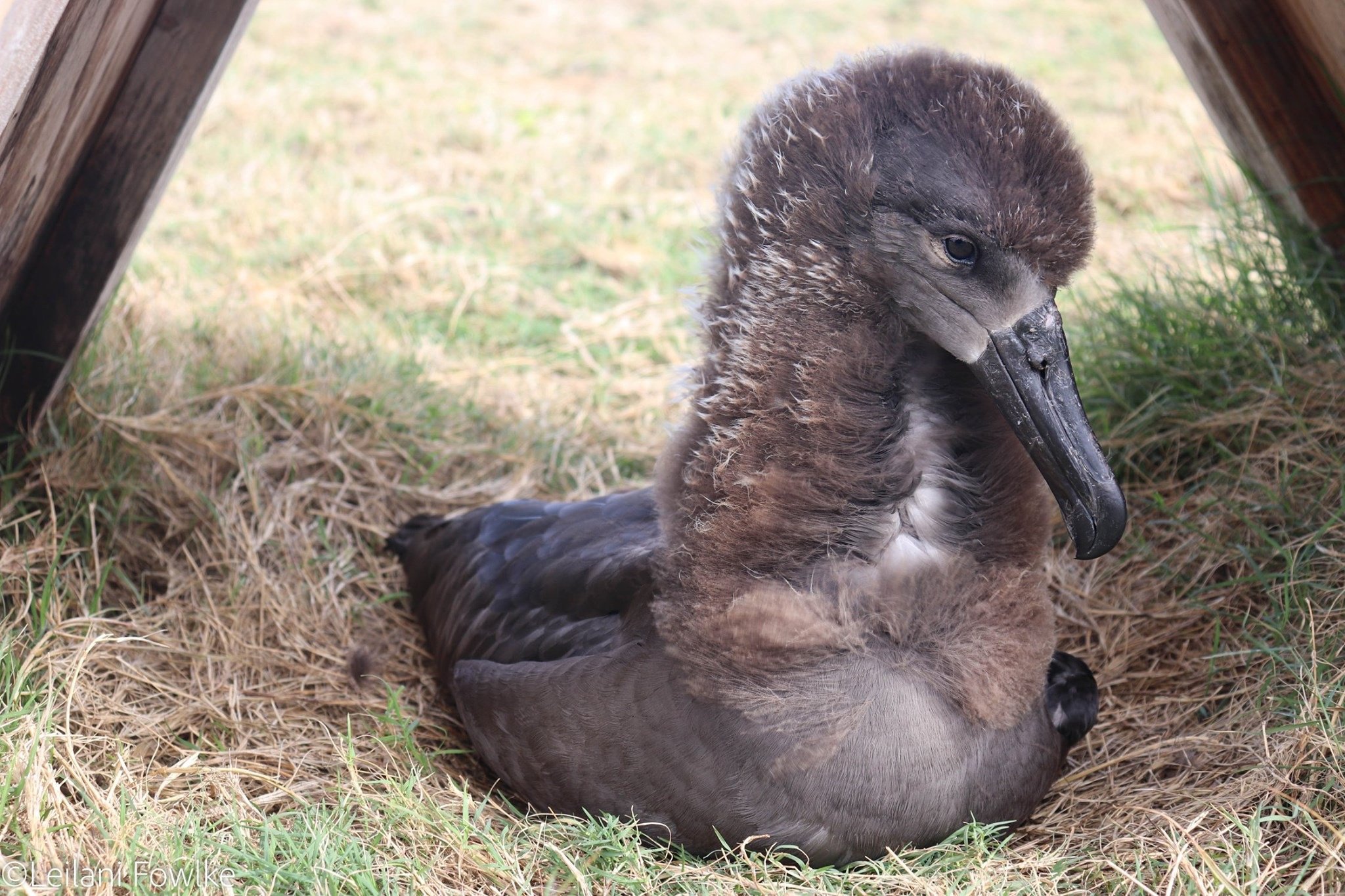
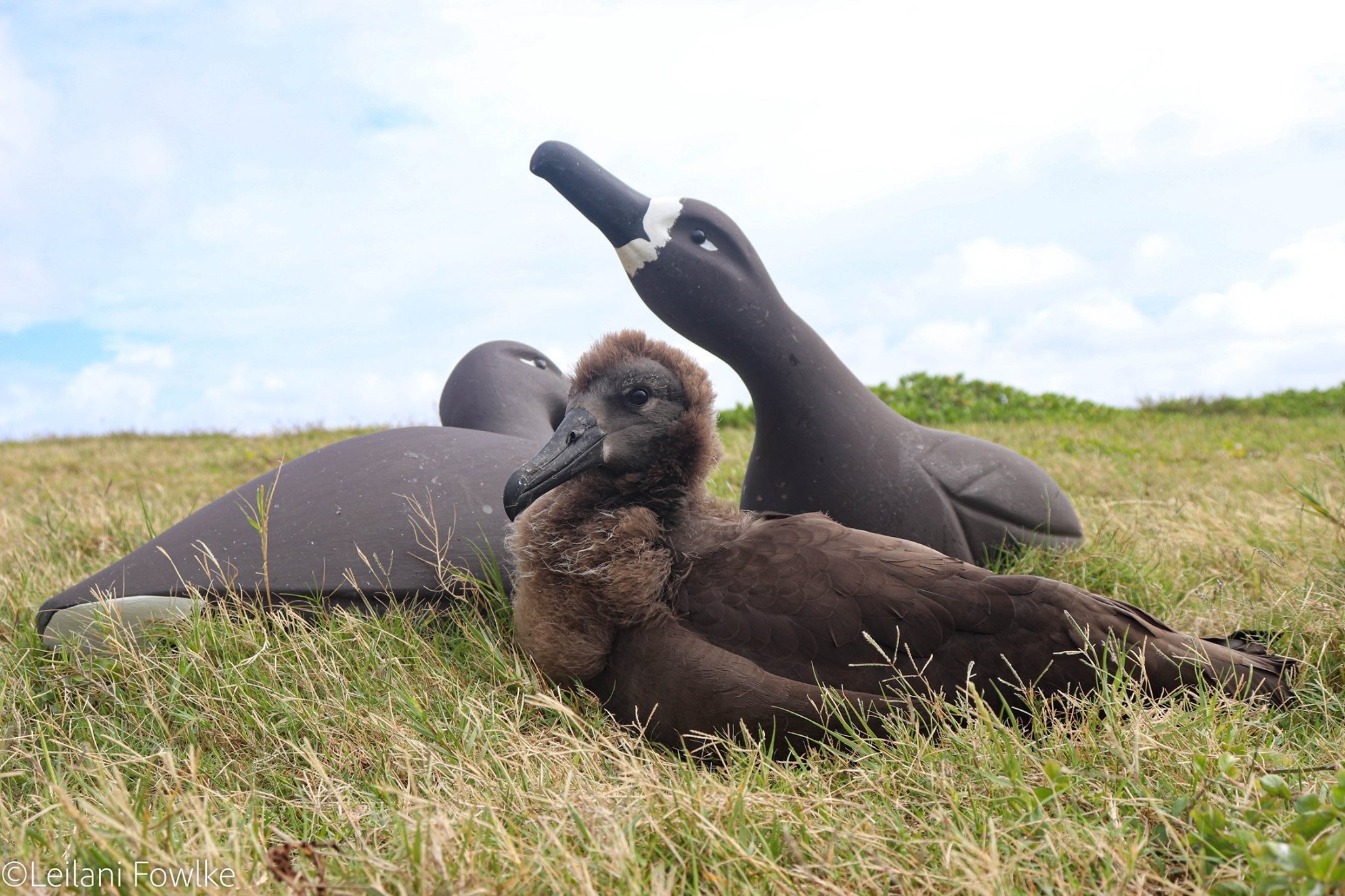
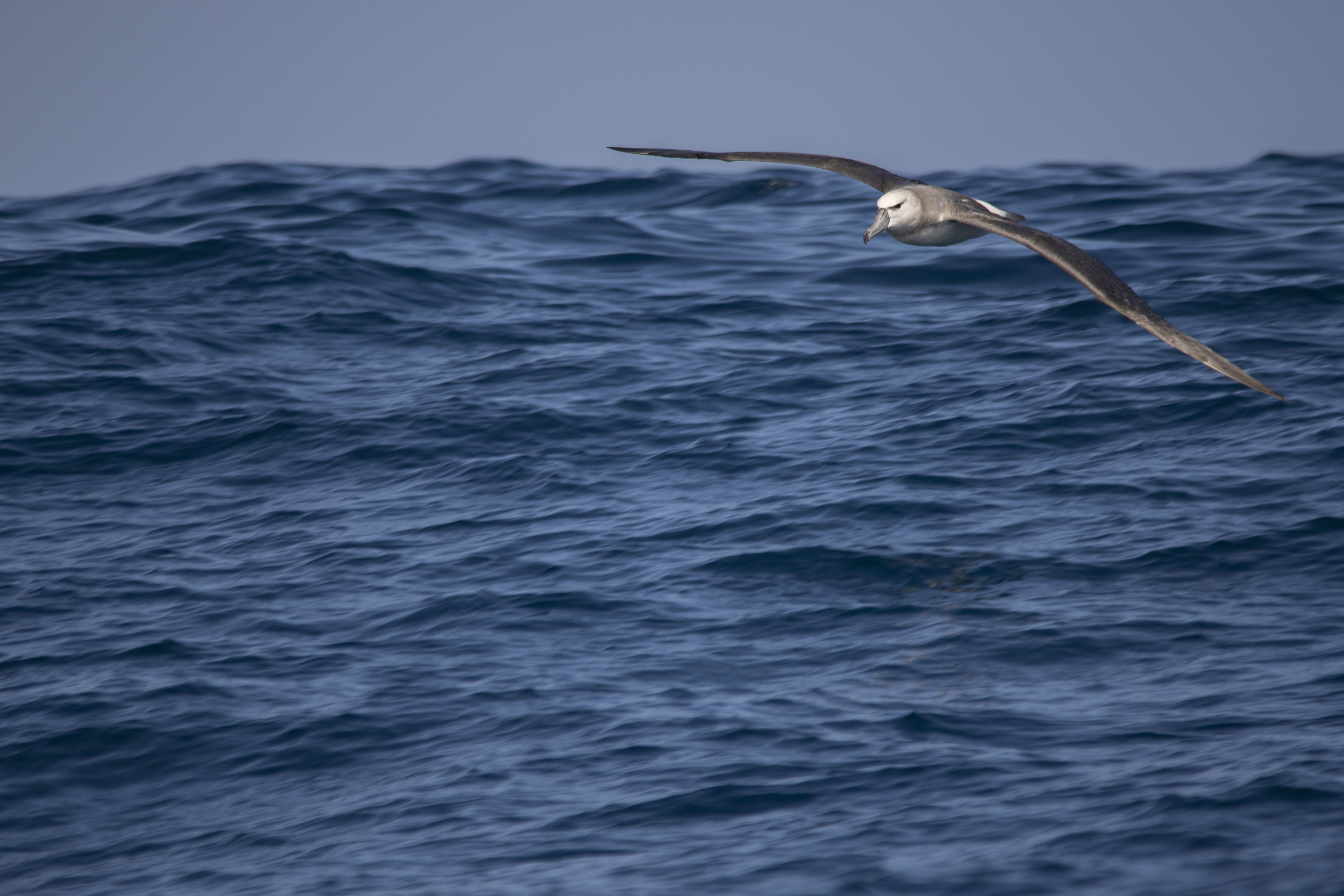
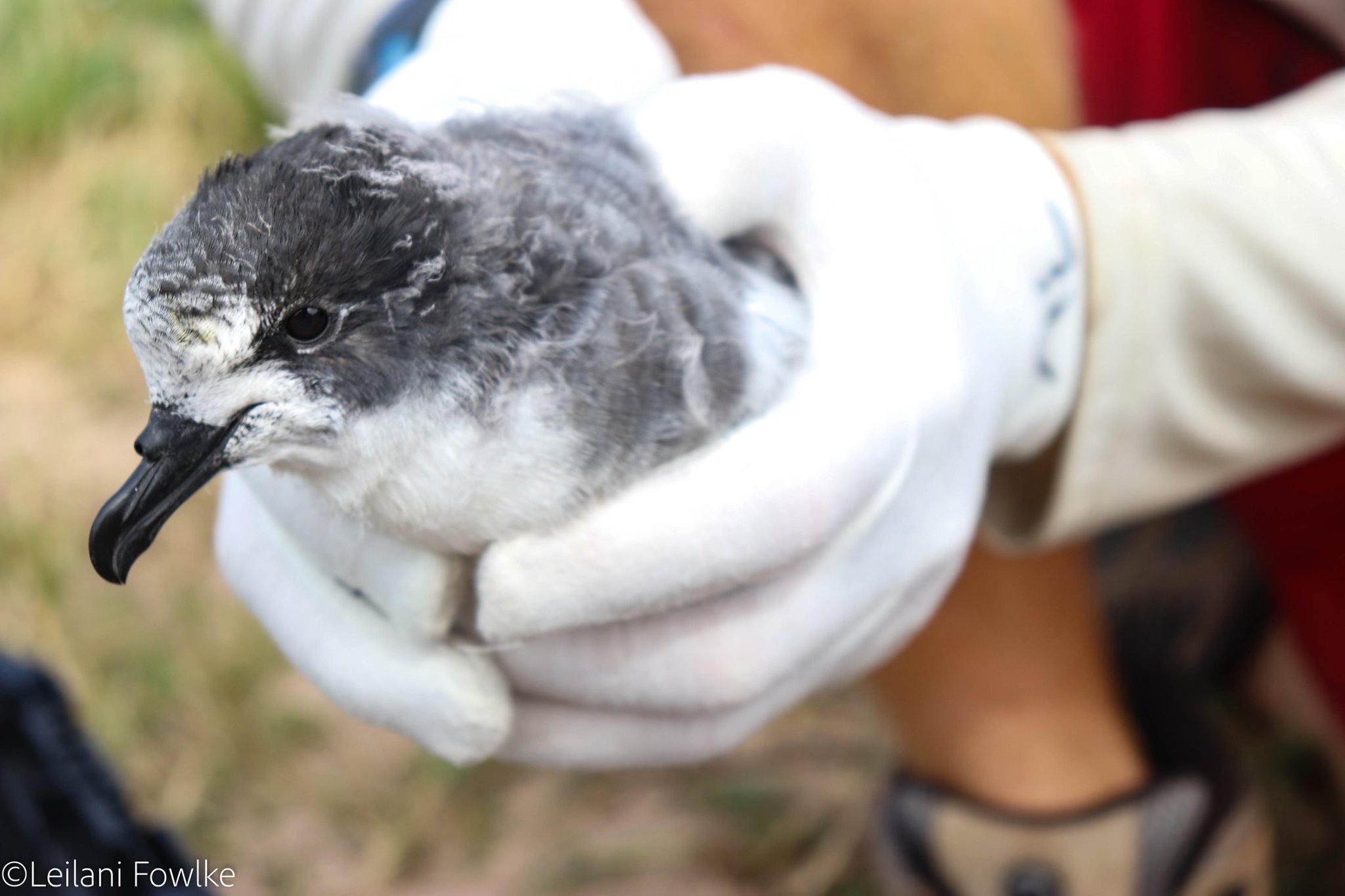
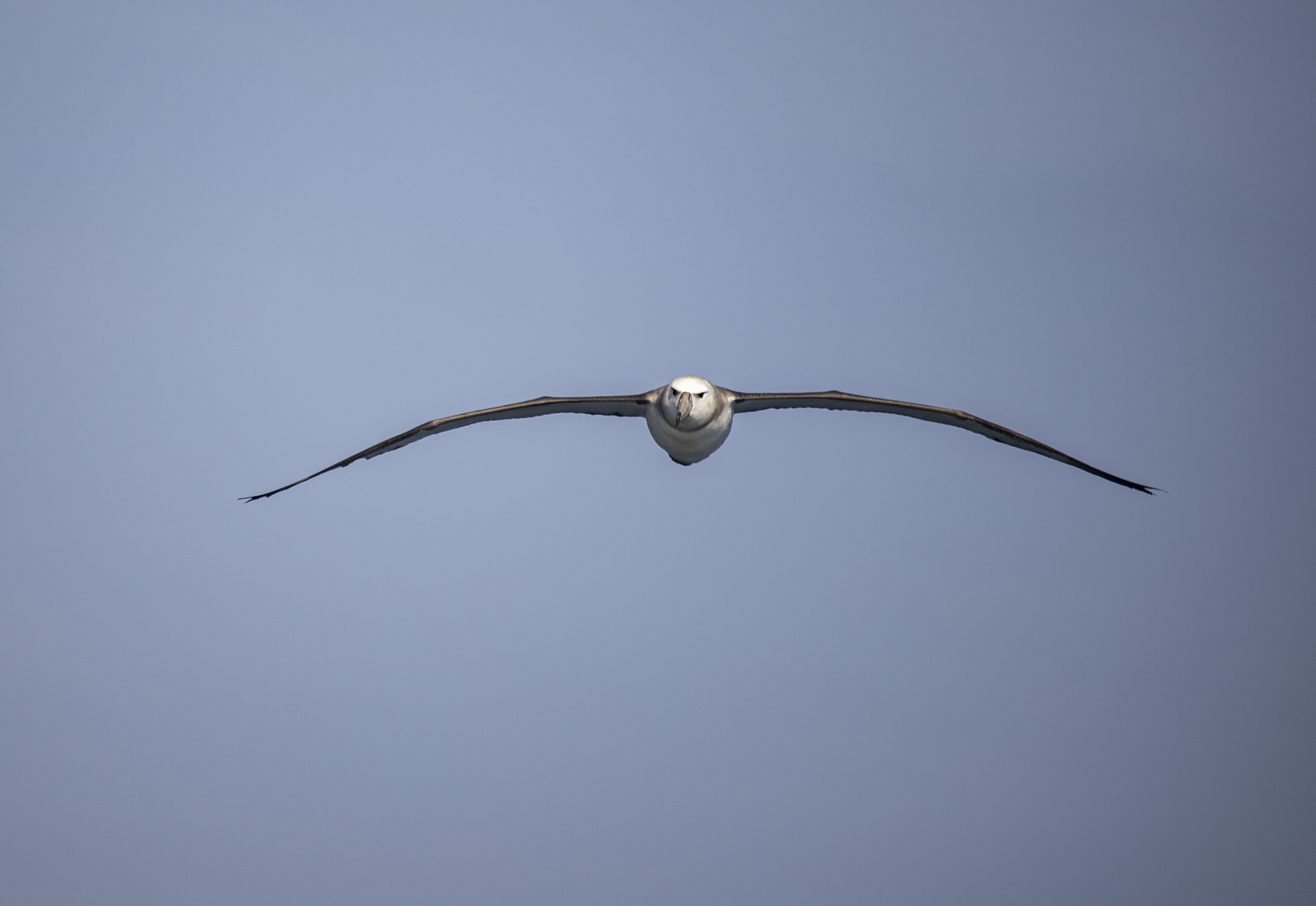
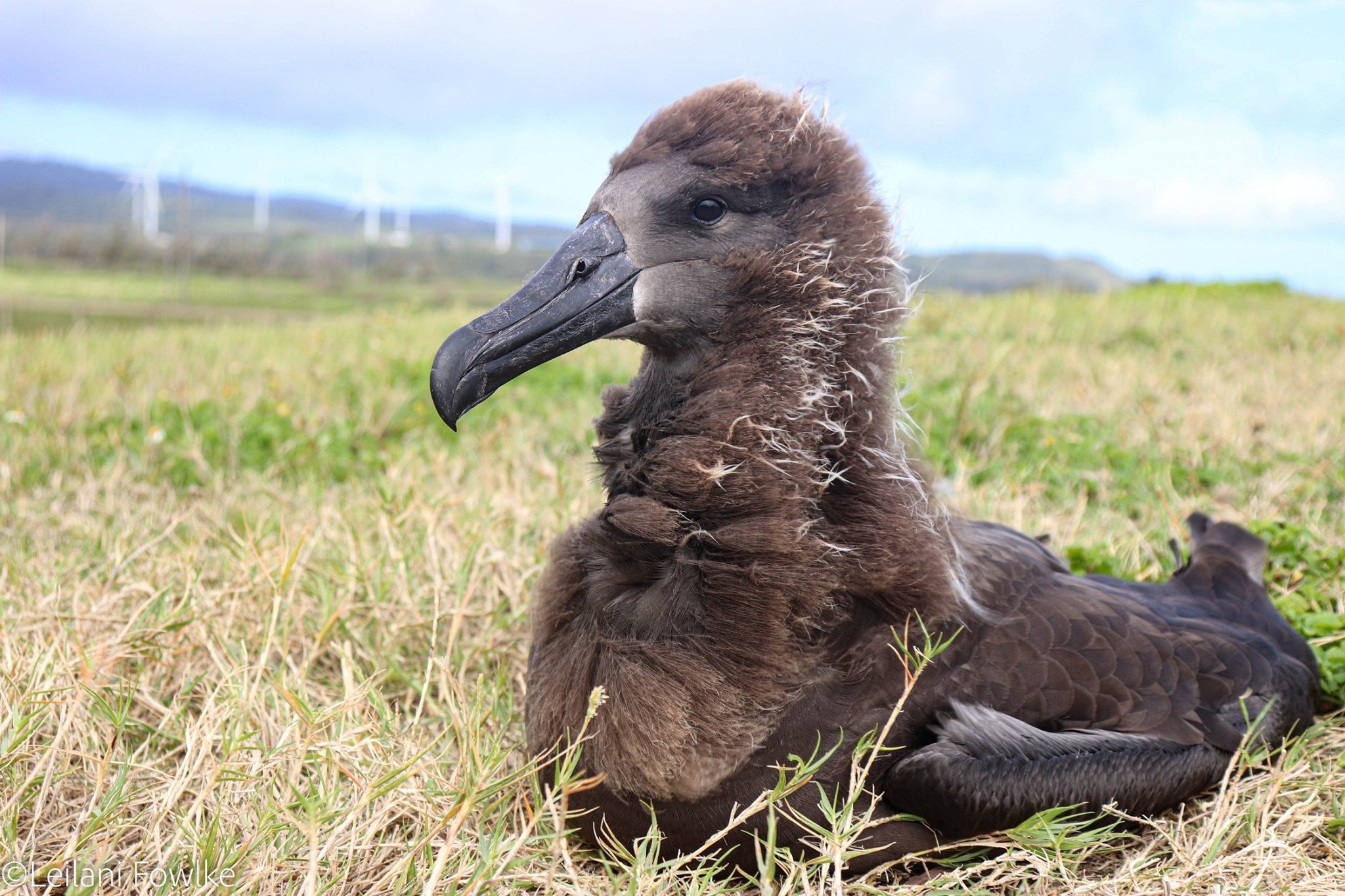
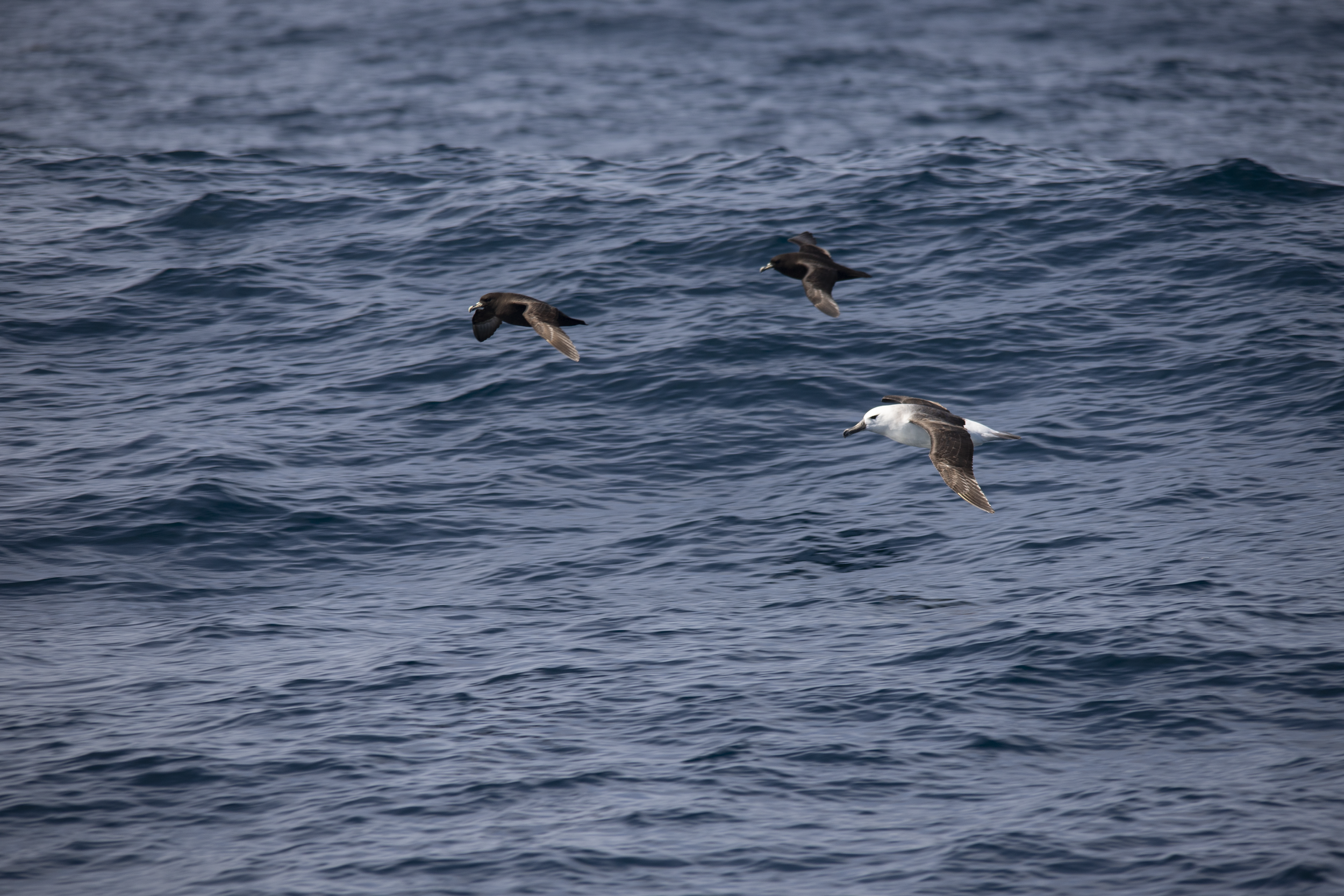
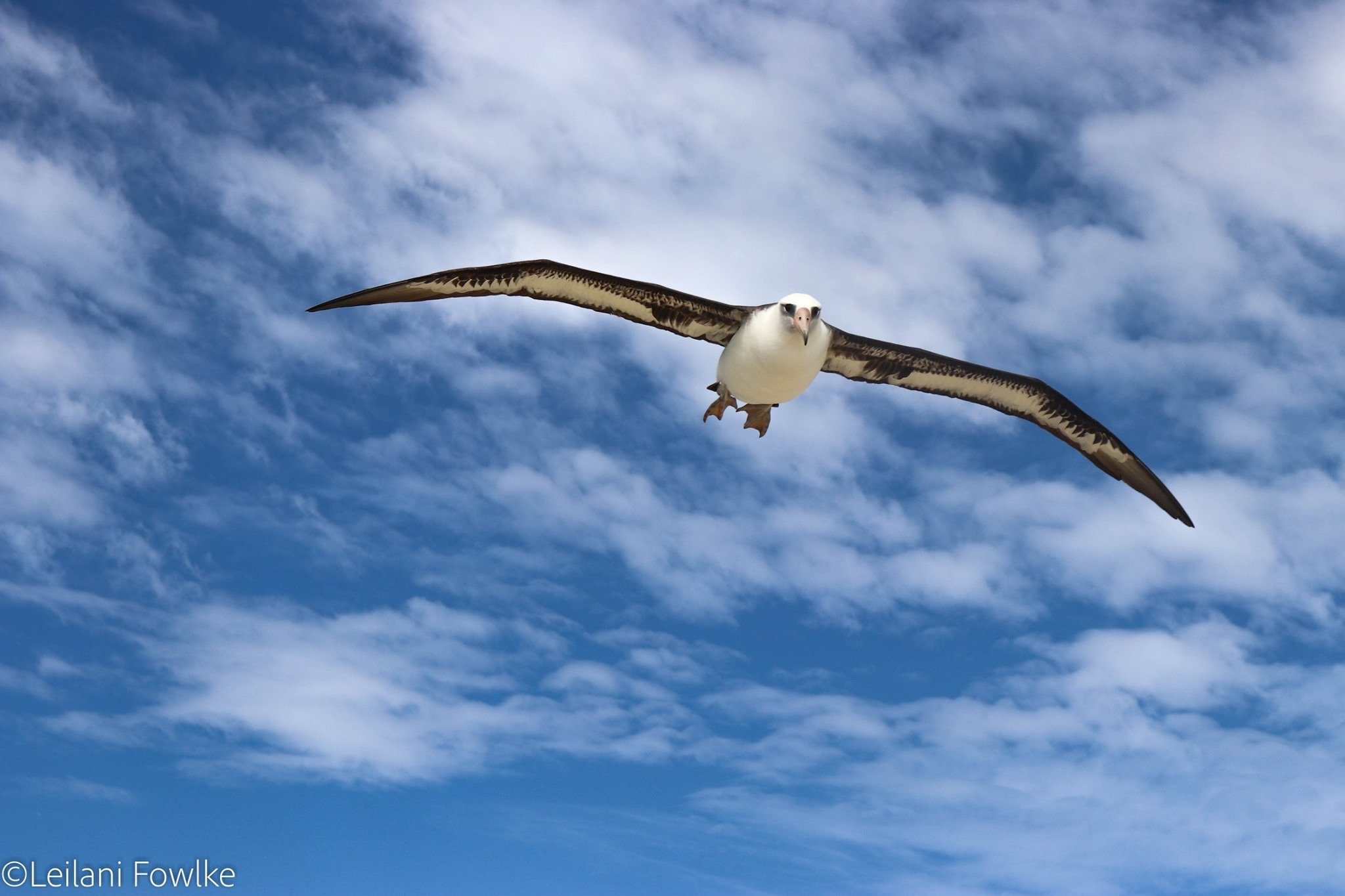
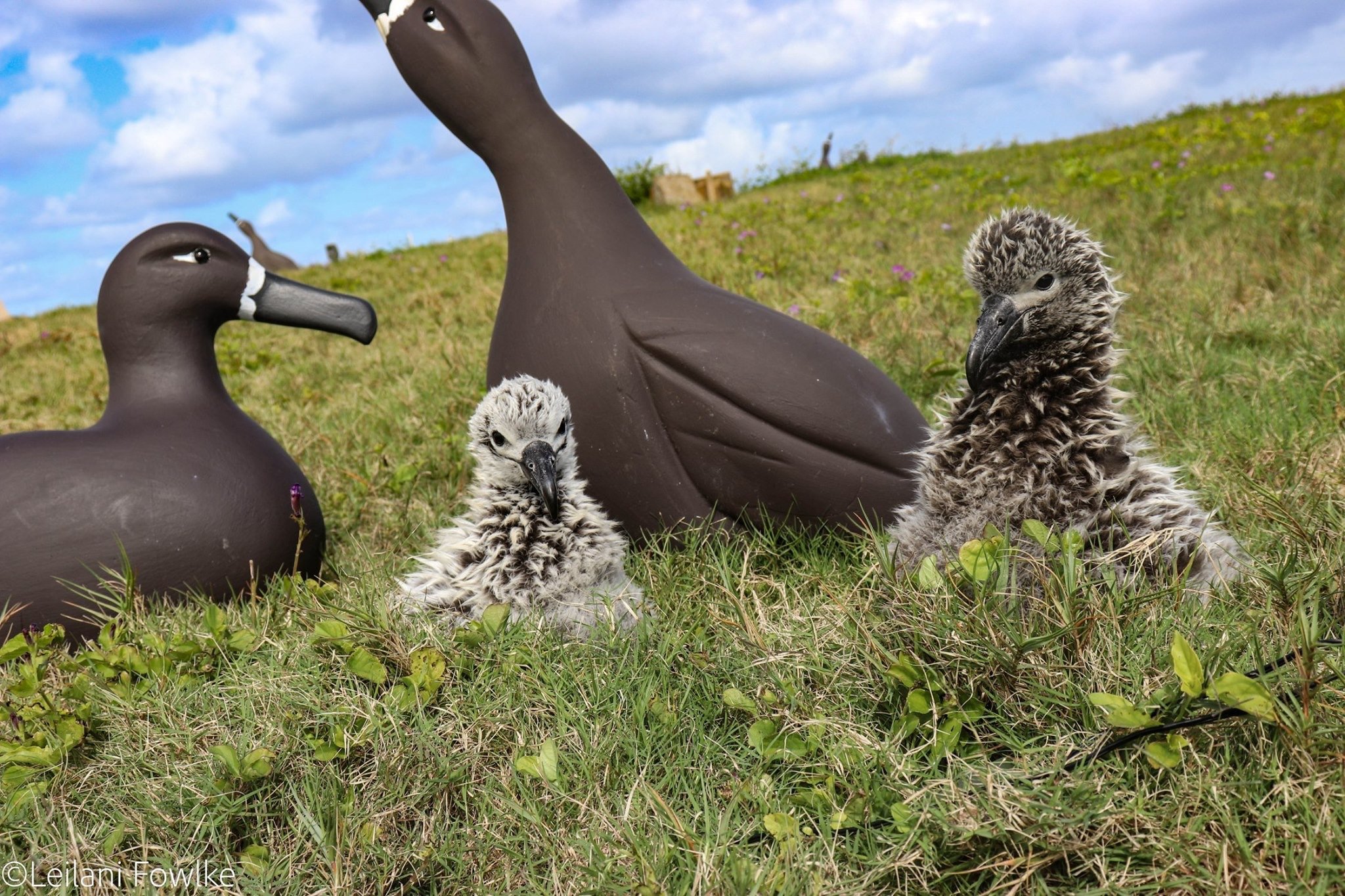
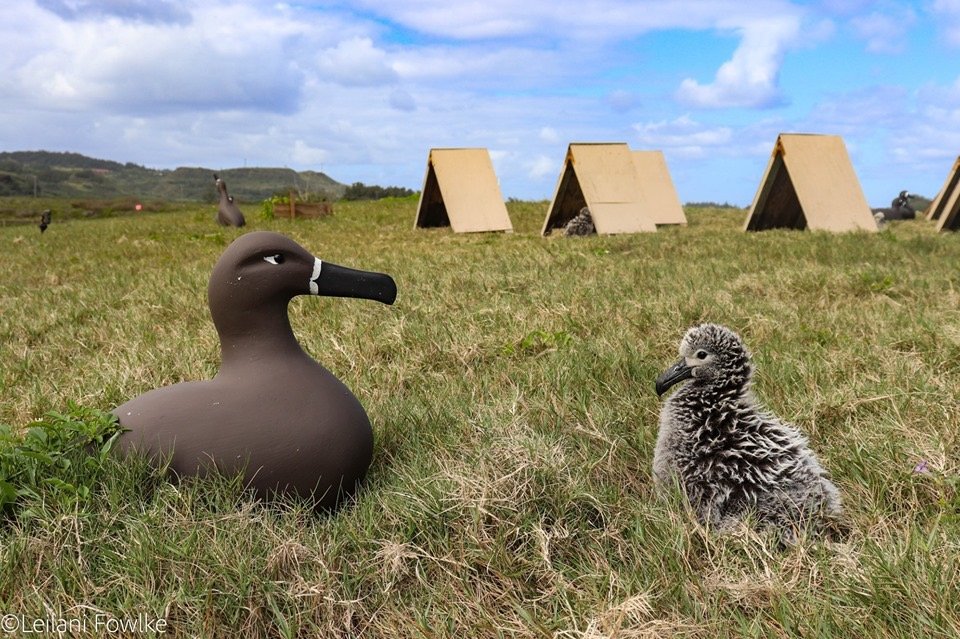
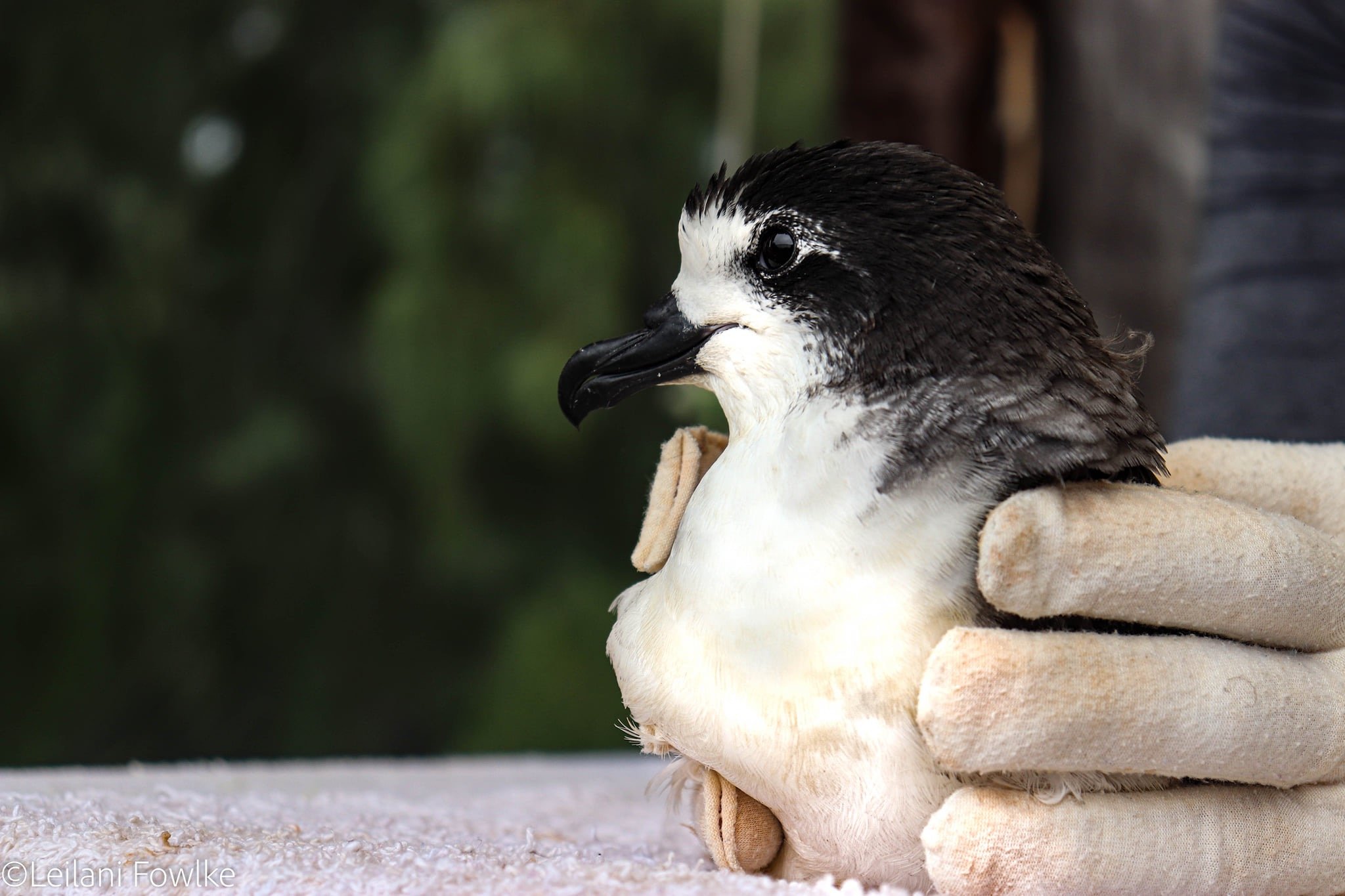
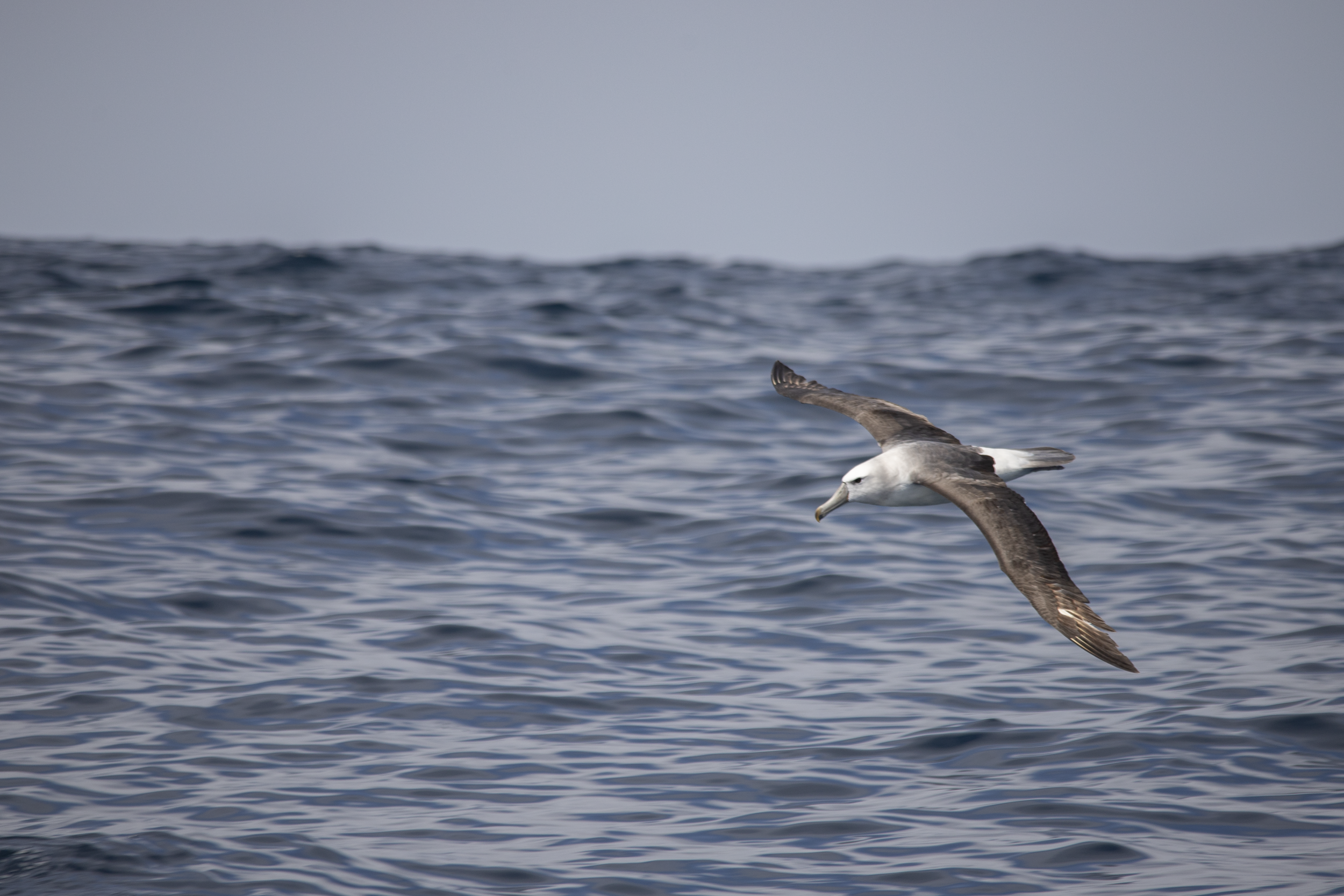
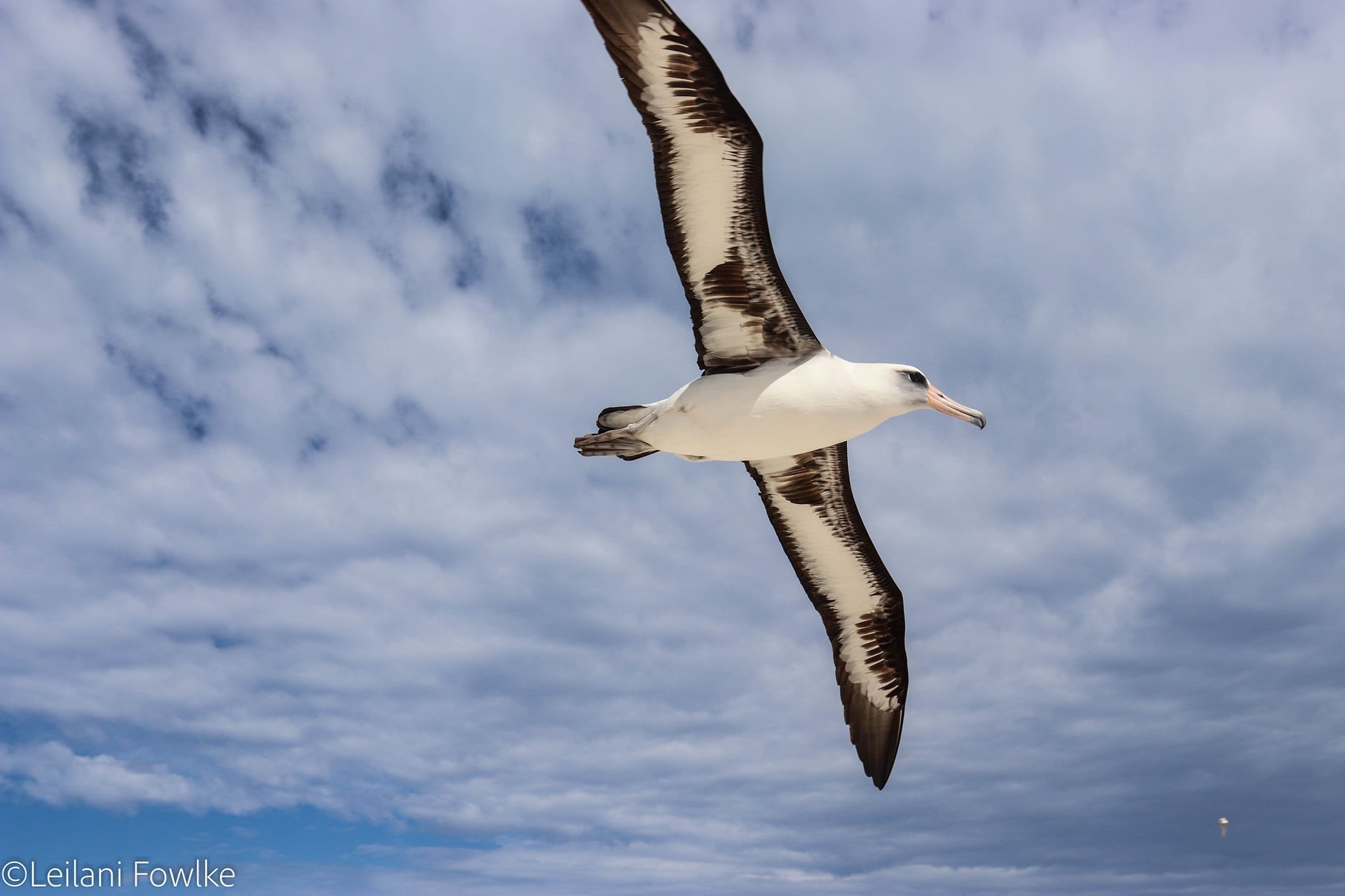
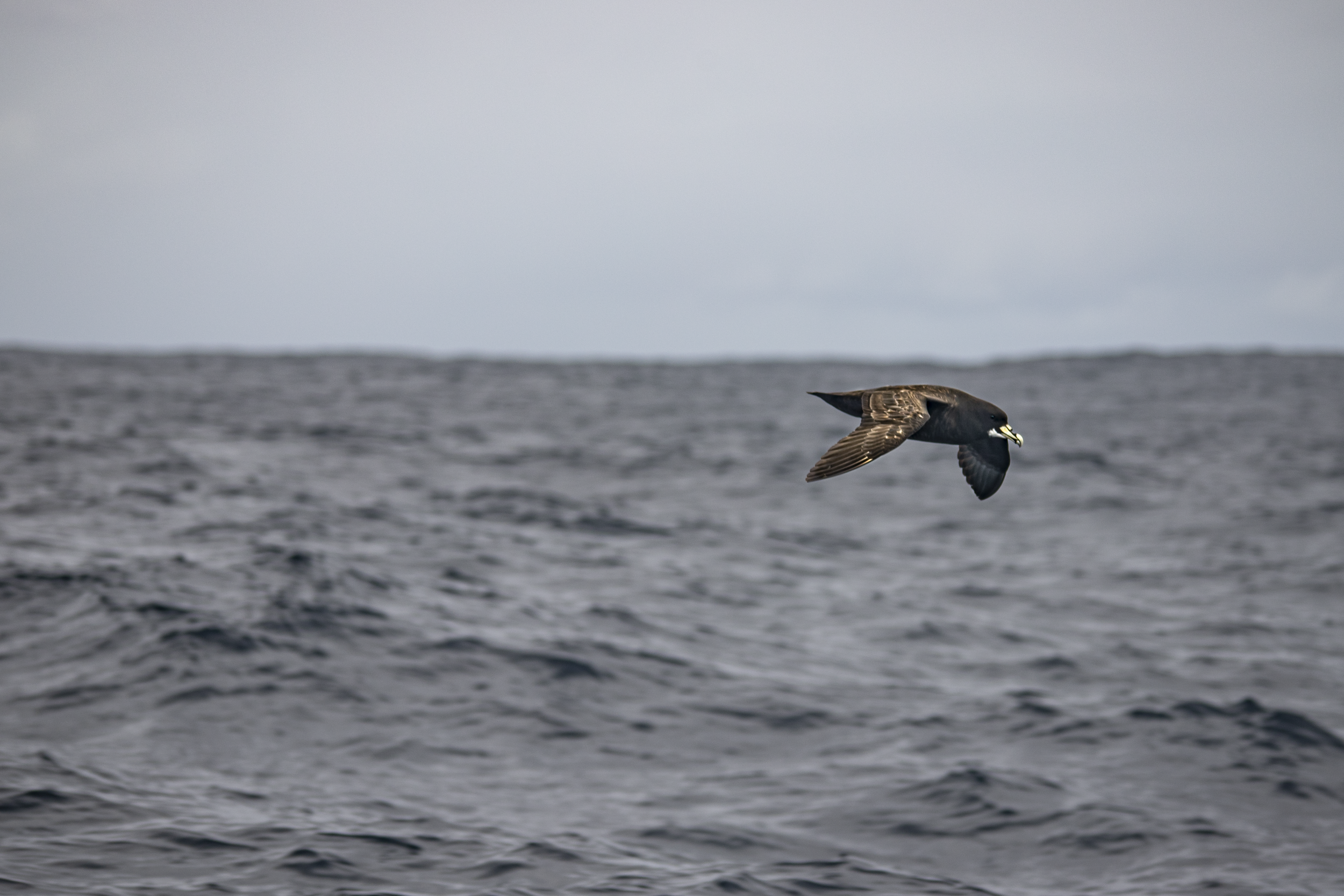
Alongside my fieldwork, photography has become one of the ways I slow down and really see the places and species I work to protect.
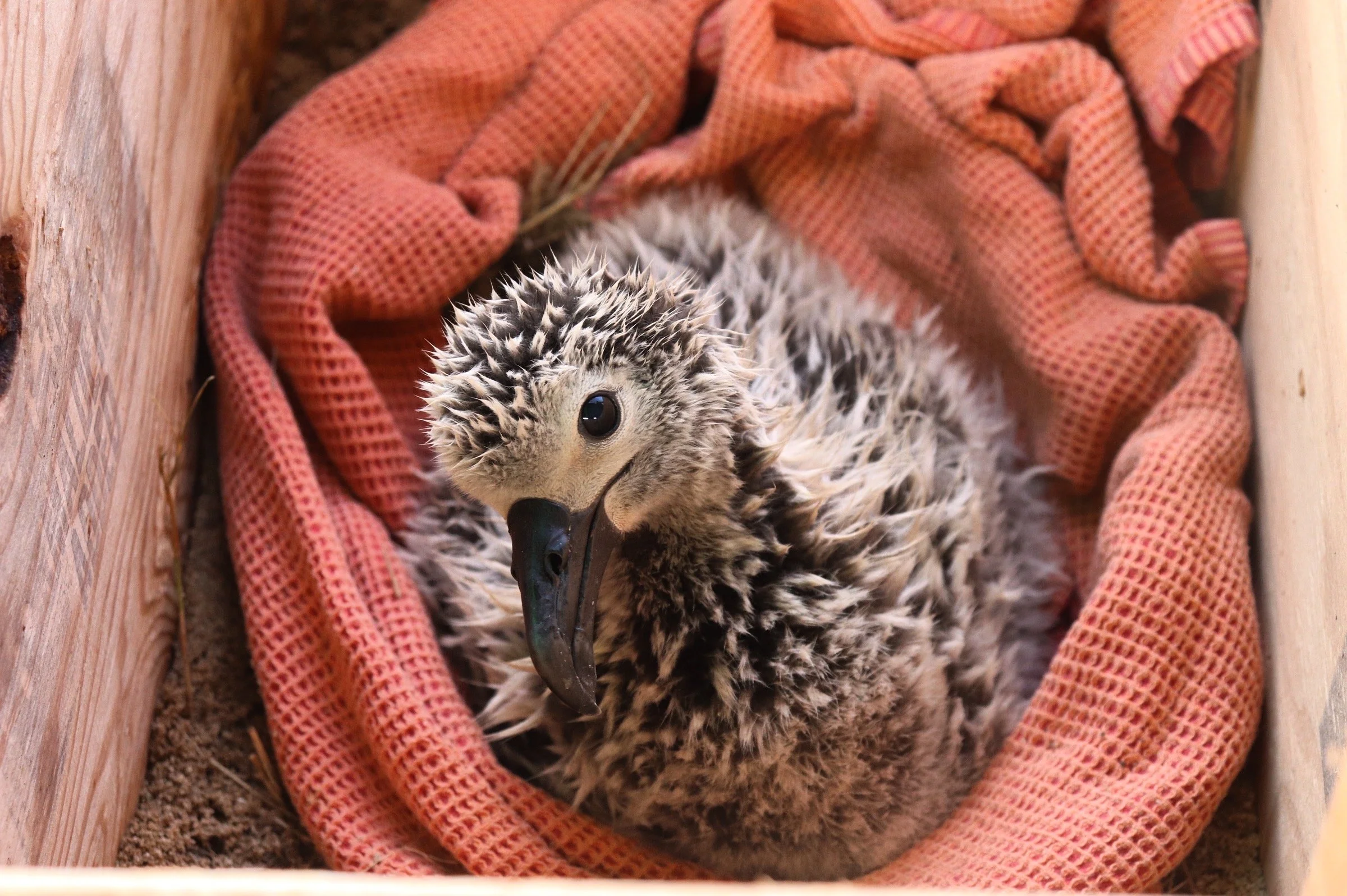
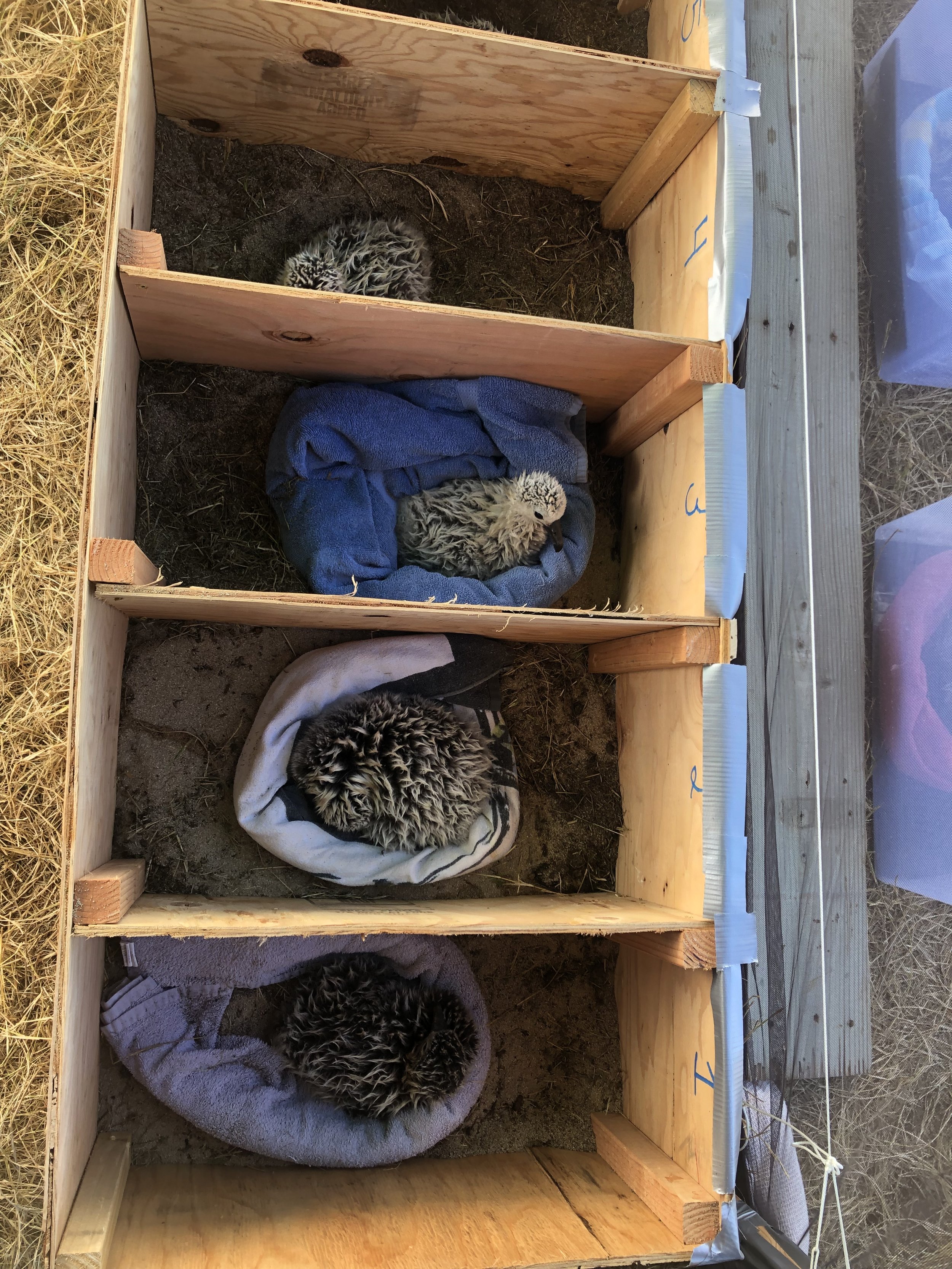
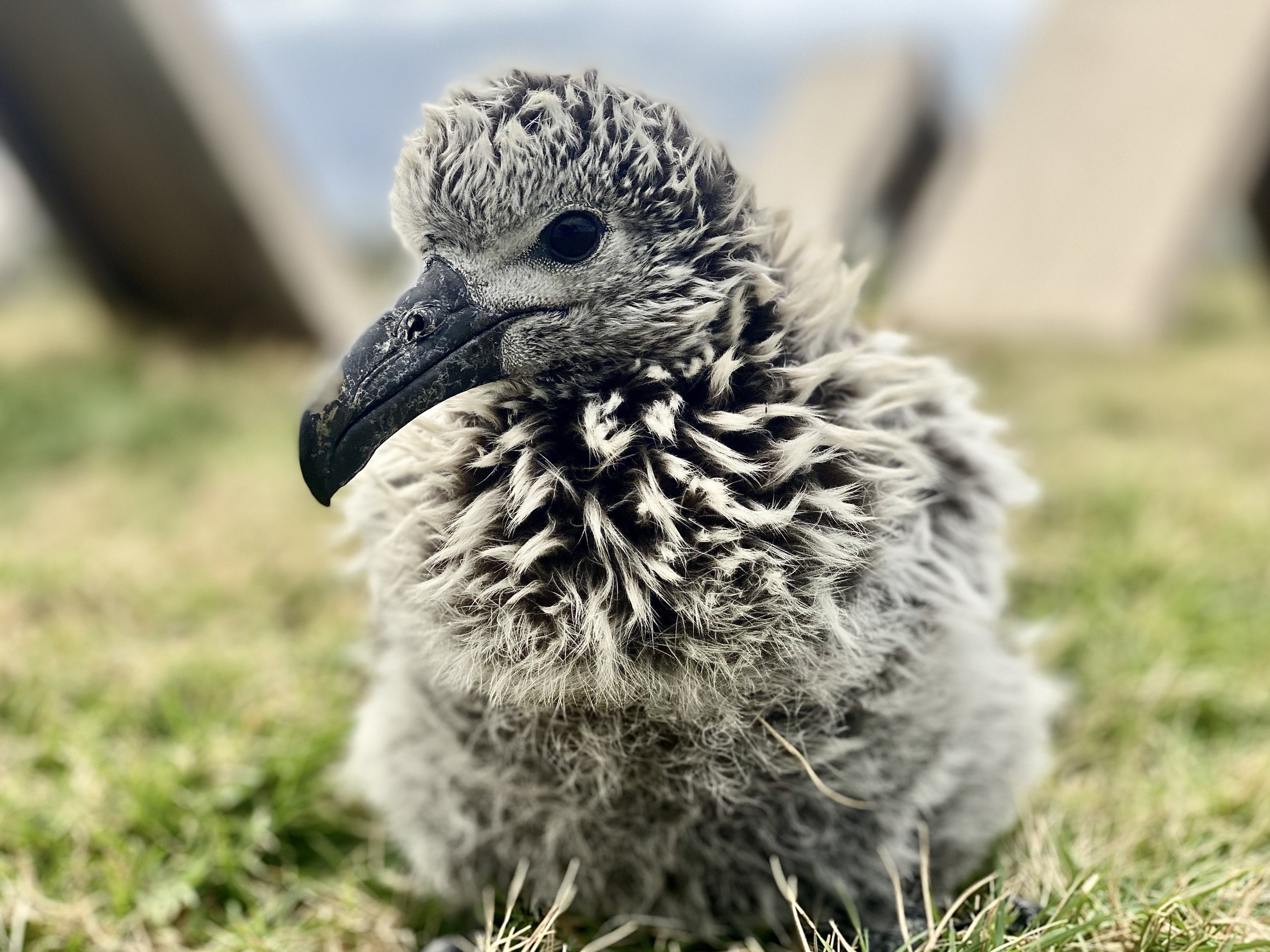
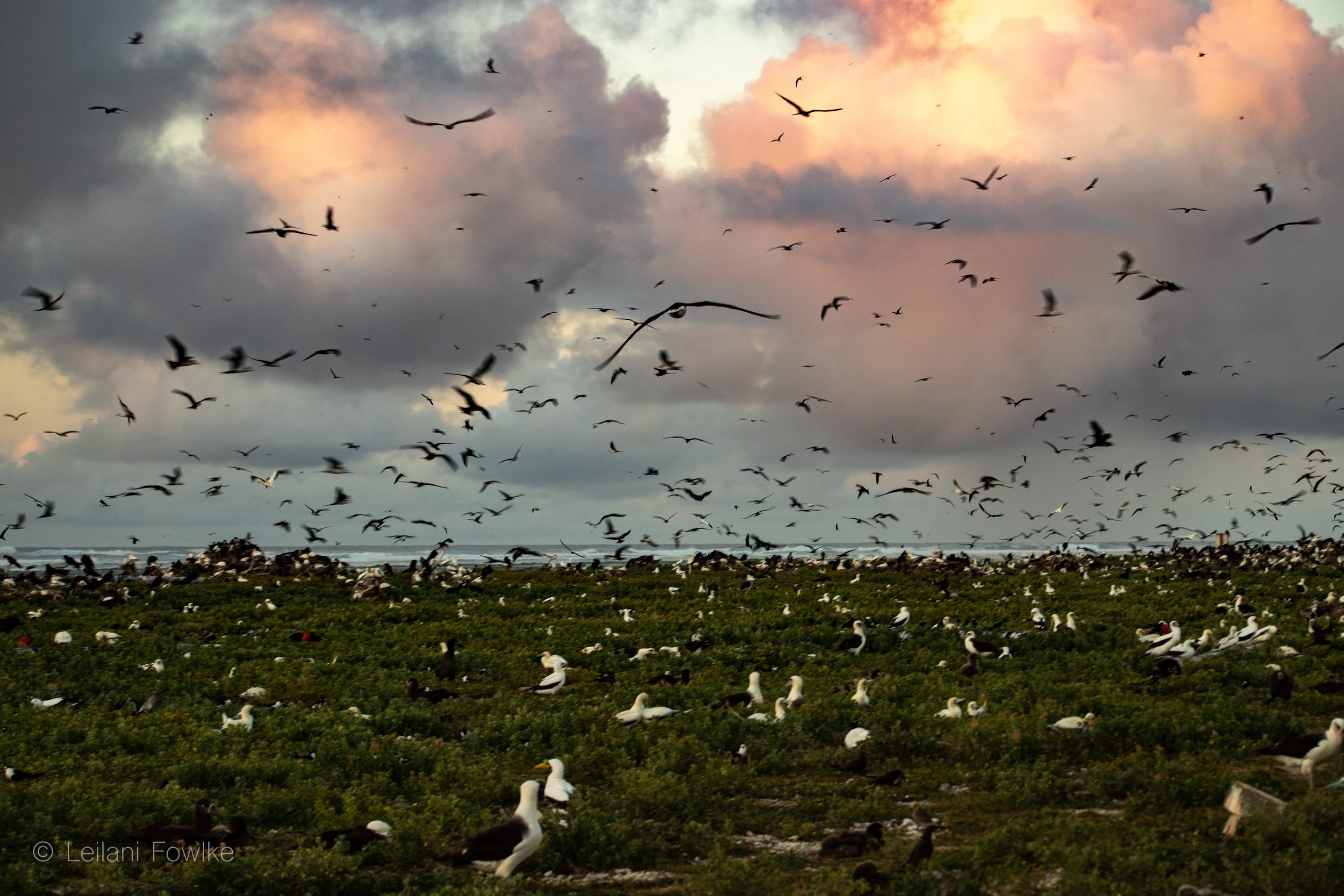
What began as a hobby has grown into a quiet but essential part of my conservation work. In the field, moments can be brief and easily missed, a seabird returning at dusk, the subtle shift in behavior before a storm, the stillness of a landscape that feels unchanged but isn’t. Photography allows me to hold onto those moments, and to share them beyond the field.
I use these images to tell the stories that data alone cannot. To reveal the detail, fragility, and resilience of species that live largely out of sight, and to bring people closer to ecosystems they may never experience firsthand.
At its core, this work is about connection. Because conservation is stronger when people can see what is at stake, and feel, even from a distance, that it matters..






































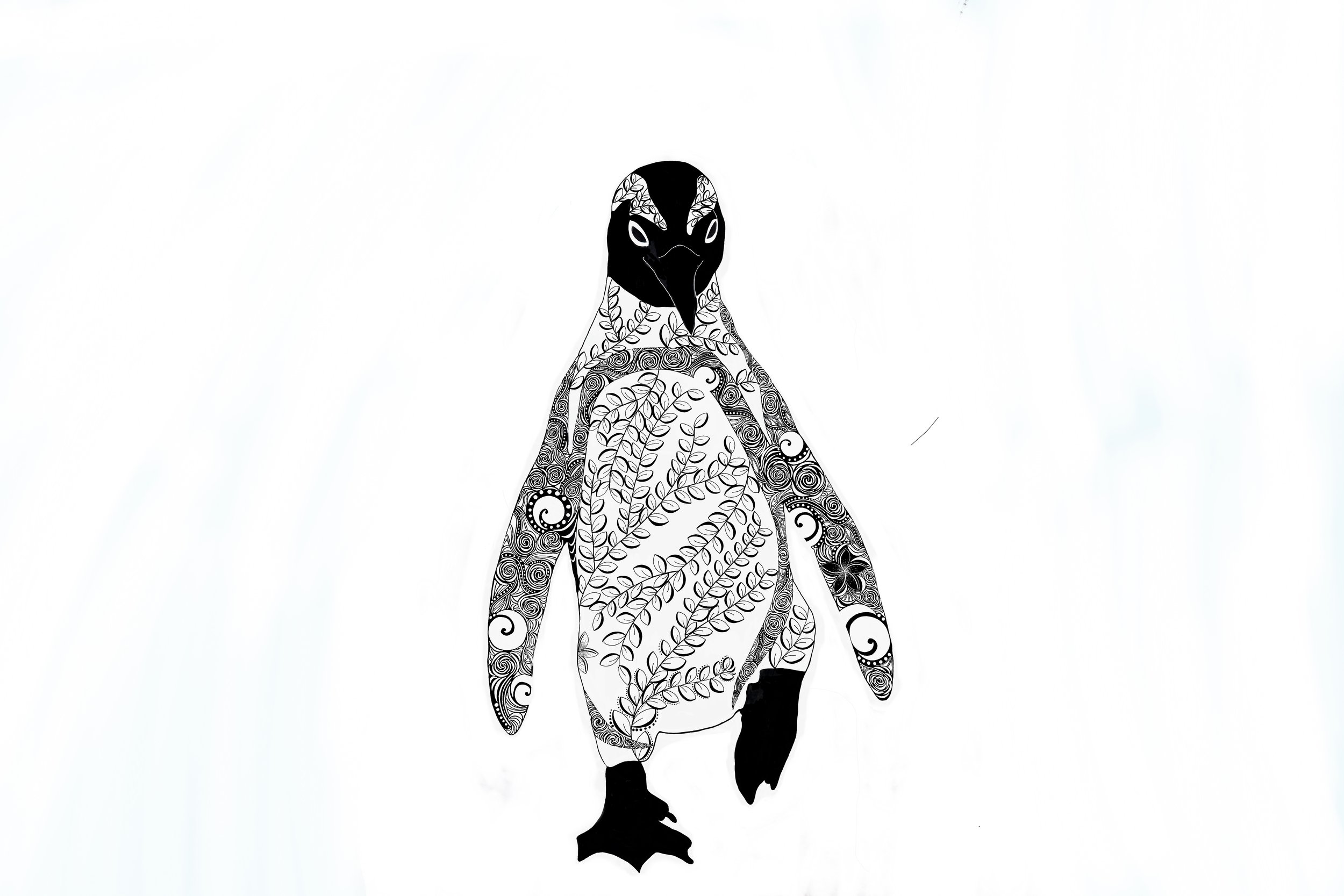
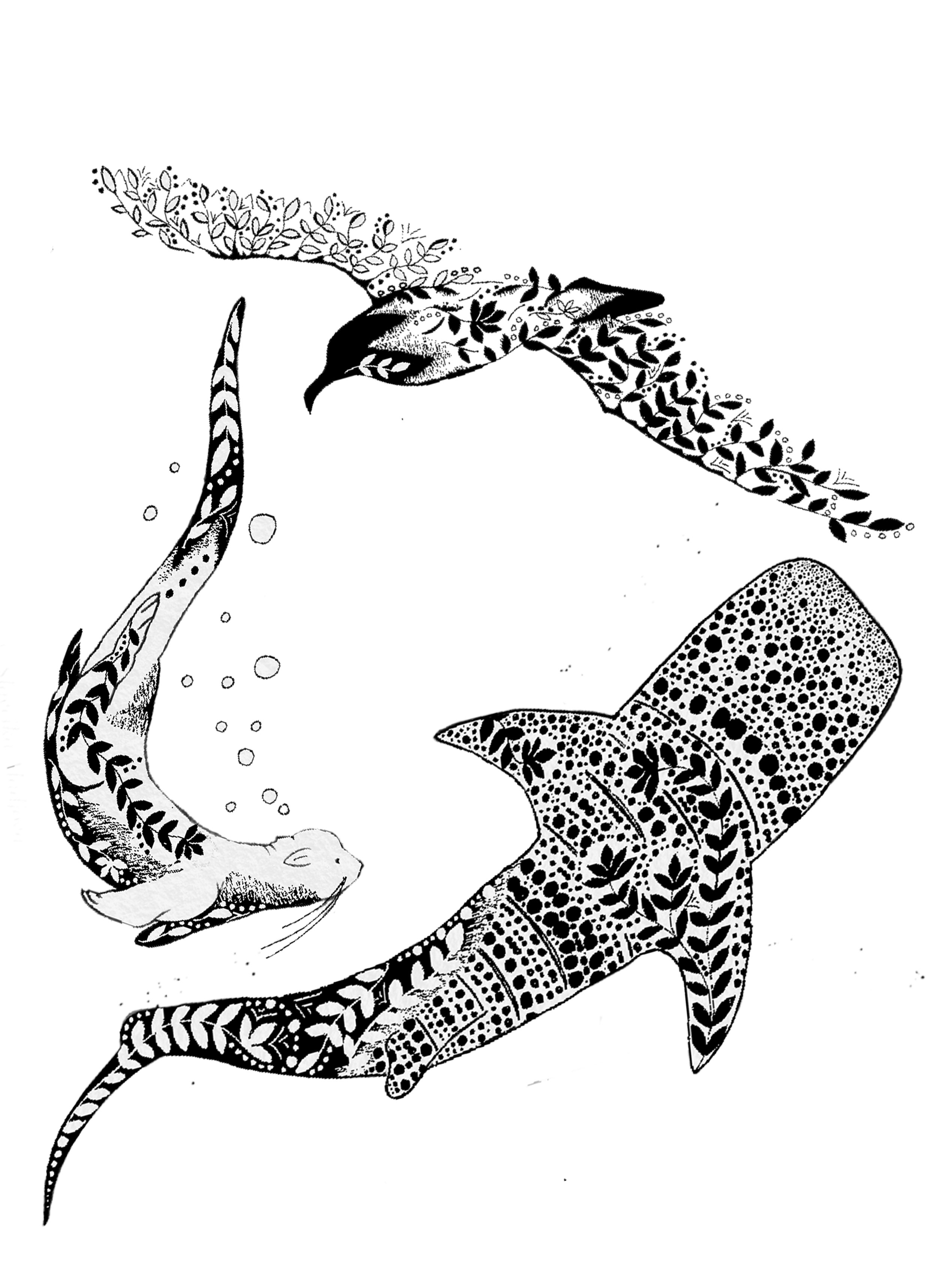
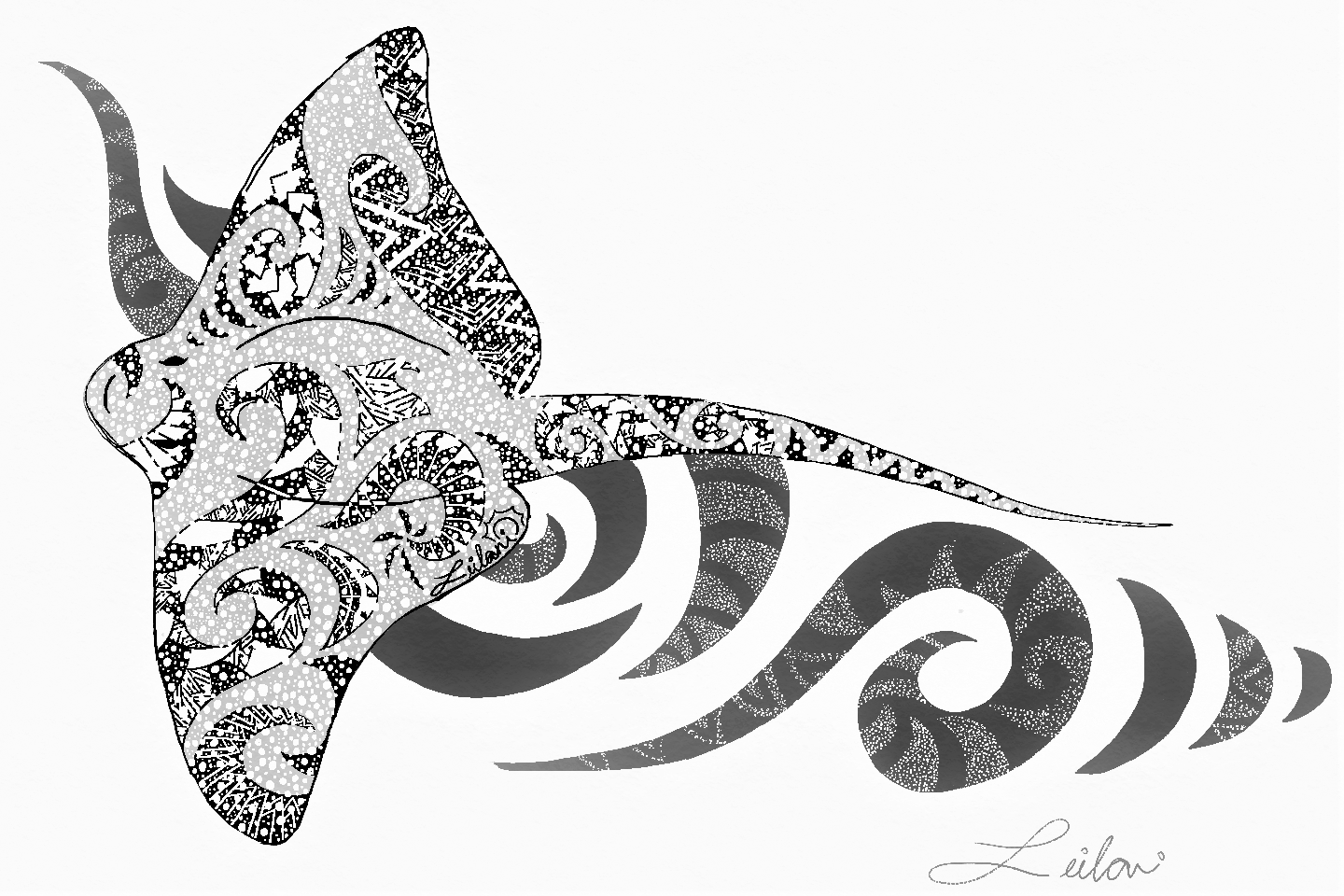
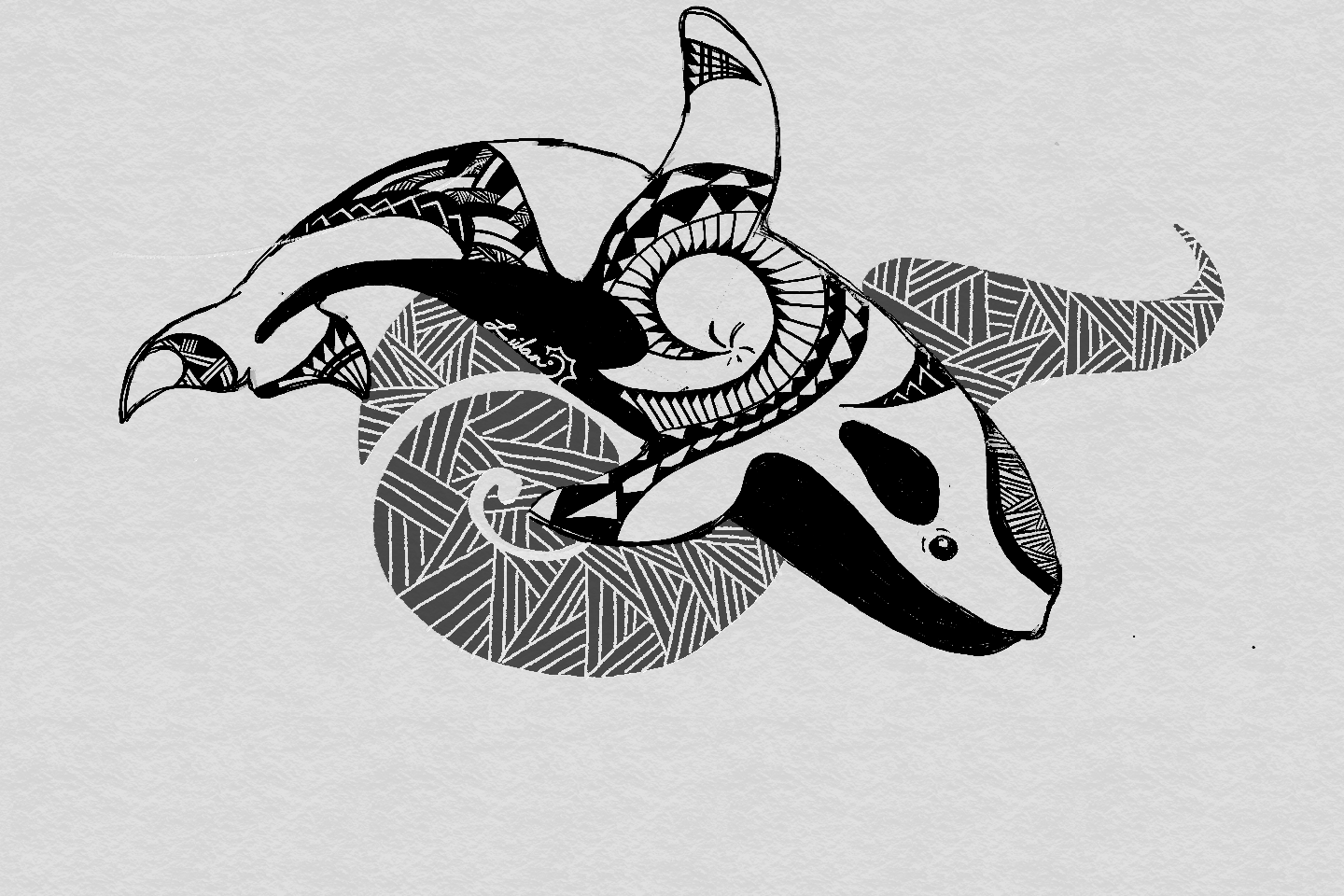
Why Doodles?
Art is another way I do conservation.
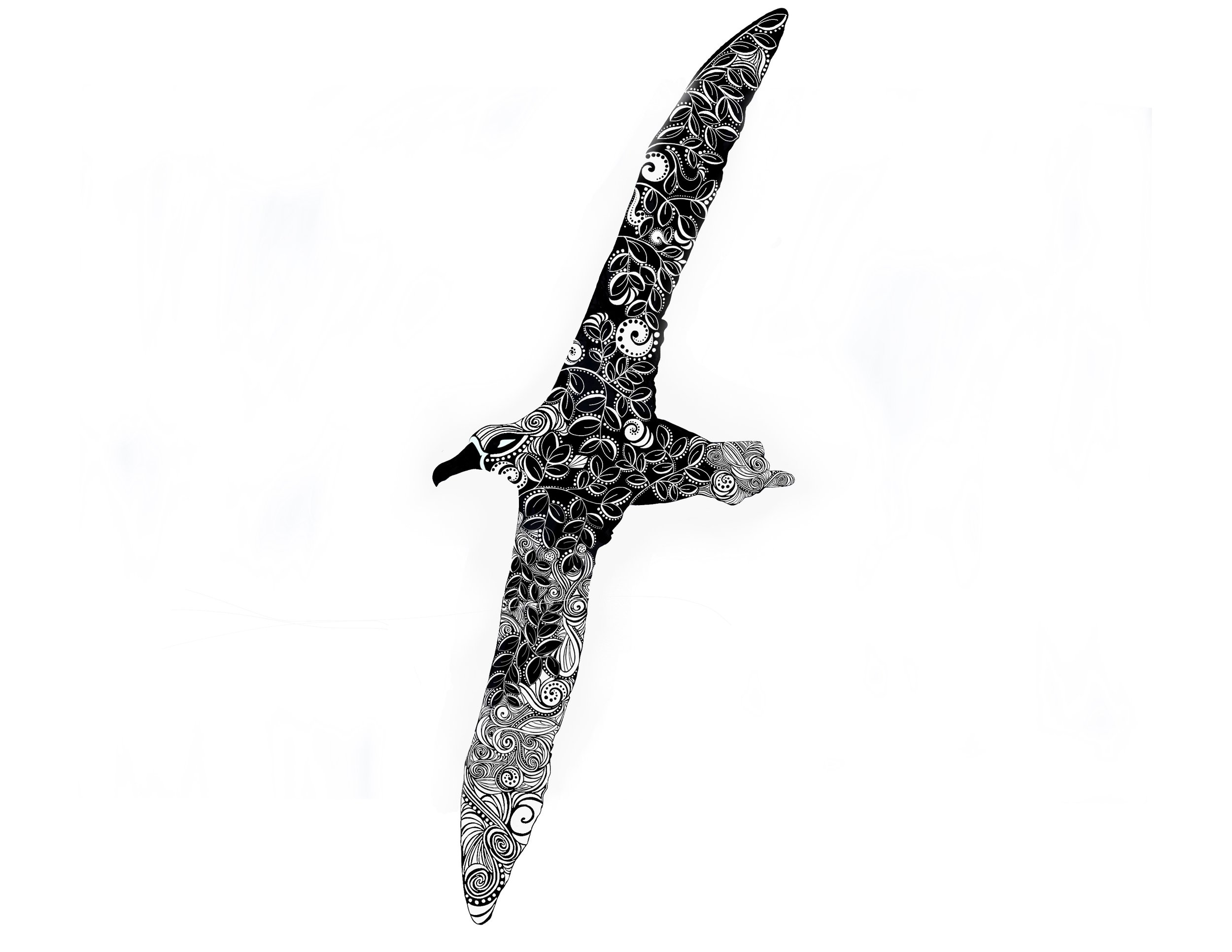
Where science is structured and exact, art gives me room to reach people differently. My doodles are intentionally simple, a little playful, and often unexpected, but that’s part of their strength. They create an entry point for people who might never read a paper, visit a field site, or consider themselves part of the conservation world.
What looks light on the surface is still rooted in the same goal: connection. Because people protect what they understand, and more importantly, what they feel connected to.
My work has been used by organizations like Monterey Bay Aquarium, Pacific Rim Conservation, and Kaikoa Conservation to support outreach, education, and engagement. In those spaces, art becomes a bridge, translating complex, and sometimes heavy, conservation challenges into something more approachable without losing their importance.
For me, it’s not separate from the science. It’s another tool. One that helps make conservation more human, more accessible, and more likely to resonate beyond the usual audience.