
Research and Data Management
Professional Experience
PHD DISSERTATION
Building the Evidence Base to Restore Threatened Seabirds
Northern Illinois University, DeKalb, IL
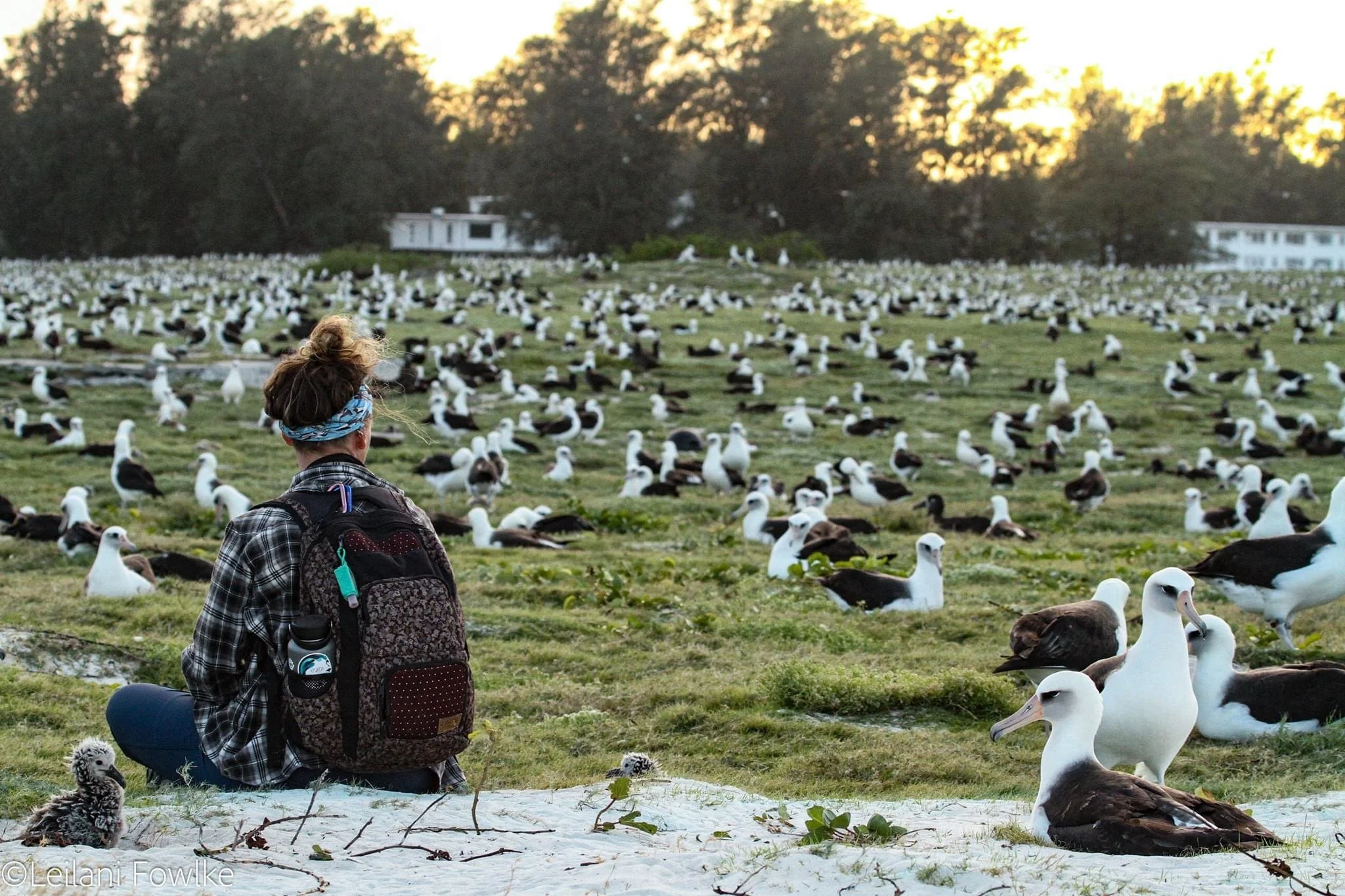
In Dr. Holly Jones’s Evidence-based Restoration Lab, my research is focused on building the biological foundation needed to restore some of the most threatened seabirds in the world.
At the center of this work are the Rapa Shearwater and the Polynesian Storm-petrel, two species in the tropical Pacific that are facing real and immediate extinction risk. Both are impacted by a convergence of pressures, including invasive predators at breeding colonies, sea-level rise, and compounding threats at sea. Despite this urgency, we still lack the most basic life-history information needed to intervene effectively.
My work addresses that gap directly. I am documenting their reproductive life history from hatch to fledge, generating the first comprehensive growth curves and developmental datasets for these species. These data are not just descriptive. They are the blueprint for action, informing when chicks can be safely translocated, how they should be reared, and what conditions are needed to produce healthy fledglings capable of returning as adults. This work forms the foundation for an in situ trial translocation, translating field data into immediate conservation application.
At a broader scale, my research expands beyond these two species to address a larger, persistent gap in seabird conservation. Despite the success of translocation as a restoration tool, it remains underused, in large part because we lack clear guidance on what drives success and how to replicate it across species. To address this, my dissertation takes a three-part approach. First, I am conducting a global analysis of seabird translocations to identify the biological and methodological factors that determine success, from fledging to return and breeding. Second, I am developing predictive growth models across Procellariiformes, quantifying how chick development varies across species and building tools that can estimate age, growth trajectory, and condition in real time. Finally, through intensive fieldwork, I am generating the life-history data needed to prepare species like the Rapa Shearwater and Polynesian Storm-petrel for restoration. Together, this work is aimed at one outcome: making seabird conservation more actionable, more precise, and more successful in the places it matters most.
PRIVATE CONTRACTOR
Island Conservation, Santa Cruz CA
In collaboration with David Will, Director of Impact and Innovation at Island Conservation, and my PhD advisor Dr. Holly Jones, I helped examine what happens to island ecosystems after invasive omnivores and herbivores are removed.
This project brought together vegetation restoration efforts from more than 30 countries, tracing how island plant communities respond after eradication and what kinds of restoration actions help recovery take hold. My work included digging through the literature, synthesizing global case studies, and identifying patterns between the species removed, the restoration strategies used, and the ecological outcomes that followed. What I love about this project is that it asks a deceptively simple question: after we remove the species causing harm, what comes next?
The answer is rarely straightforward. Some islands rebound beautifully on their own. Others need active restoration, careful planning, and long-term support before native vegetation can recover. By comparing these outcomes across island systems, this work helps clarify when passive recovery is enough and when conservation teams need to step in more deliberately. David presented this research at the 2026 Island Invasives conference in New Zealand, and the manuscript is now in review for publication in the conference journal. At its heart, this project is about learning from the hard-won lessons of island restoration worldwide, so future recovery efforts can be more strategic, efficient, and lasting.
ANIMAL CARE COORDINATOR
Pacific Rim Conservation
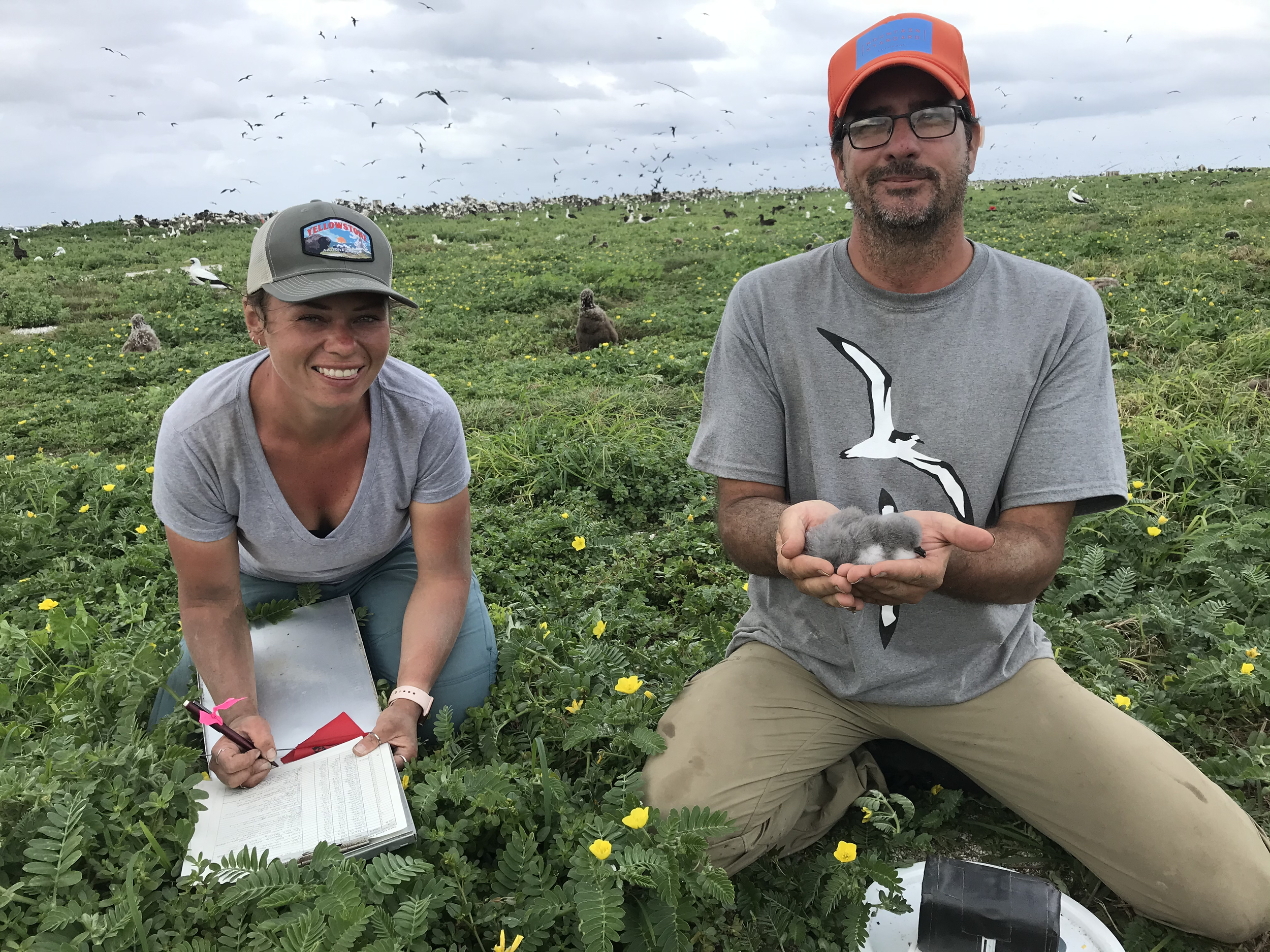
Alongside hands-on animal care, I was responsible for managing the data that made our conservation work more precise, responsive, and ultimately more successful.
I built and maintained custom databases for each species, designed to track every stage of chick development. These systems documented daily weights, growth rates, and feeding amounts down to both grams and percentage of body weight. I also developed integrated visualization tools, generating real-time graphs that allowed us to compare individual chicks against their cohort and against historical data from previous translocations.
One of the most useful tools to come out of this work was a diet calculator that translated those data directly into action. It allowed us to determine exactly how much each chick should be fed and how to proportion each component of their diet on any given day. What could easily be guesswork became consistent, data-driven decision-making, improving both chick health and rearing efficiency.
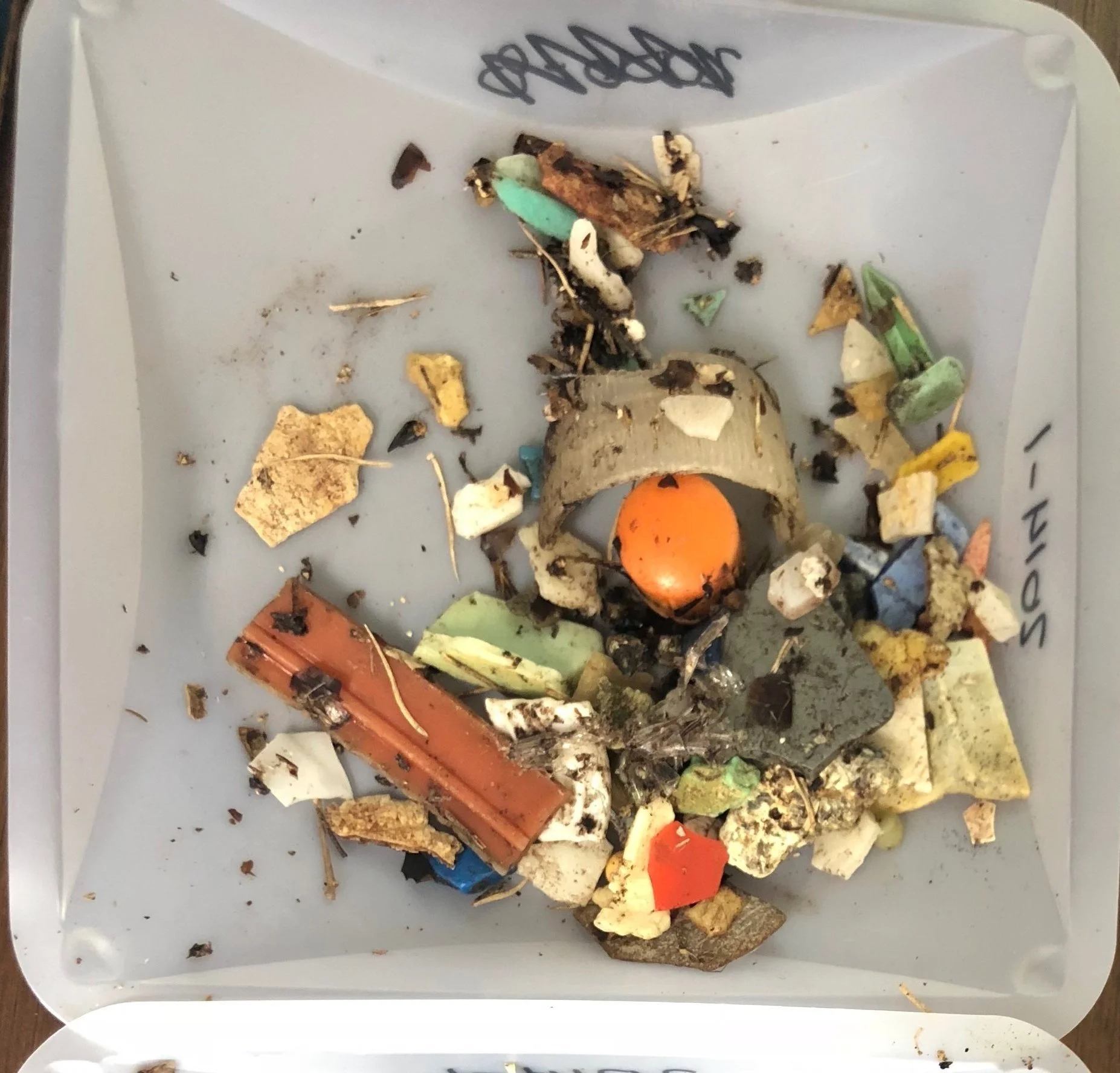
Outside of the breeding season, my work shifted toward understanding broader threats to these species. I analyzed regurgitated albatross boluses, sorting natural versus anthropogenic material by type, color, size, and mass. The goal was to better understand patterns in plastic consumption and contribute to efforts aimed at reducing ingestion risk in wild populations.
I also managed a network of trail cameras placed at chick burrows, ensuring consistent functionality and reviewing thousands of images and videos. From this, I documented key developmental milestones, behavioral patterns, and fledging events, adding another layer of detail to our understanding of each individual’s trajectory.
Each season, I was also selected to assist with chick collection and translocation, where I documented pre-transport condition and care data. This work helped bridge the gap between field collection and post-transfer rearing, ensuring continuity in both care and data across every stage of the process.
Taken together, this work sits at the intersection of field biology and data science. It’s about turning daily observations into something actionable, so that every decision we make is informed, intentional, and in service of giving these birds the best possible chance.
RESEARCH FELLOW
Brigham Young University - Hawaii Biology Department
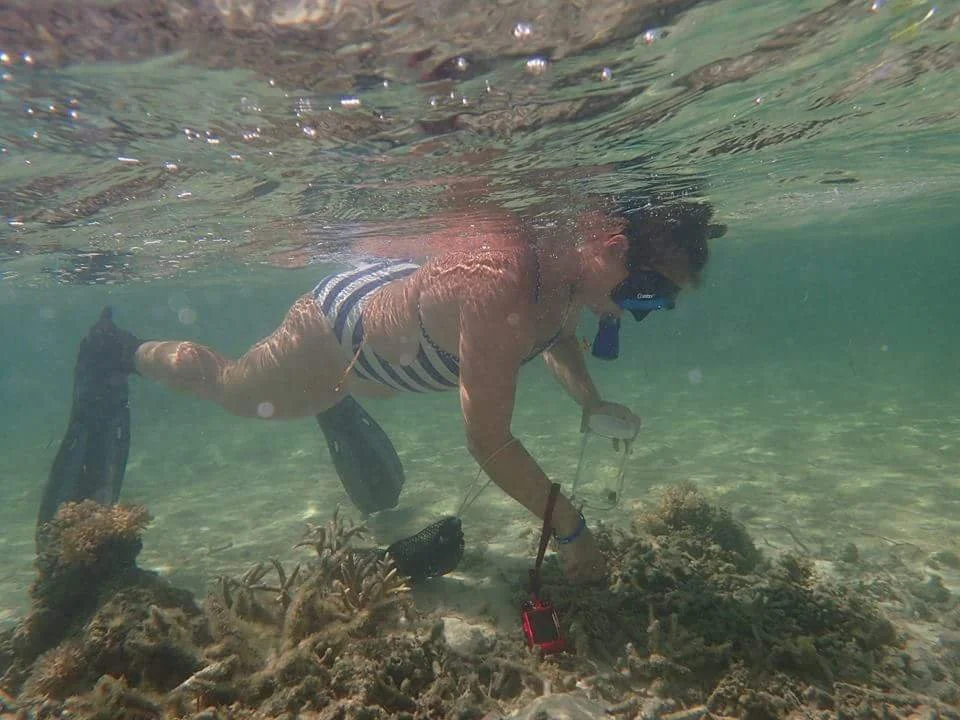
With Dr. Roger Goodwill, I was brought on to survey and document marine invertebrate communities around Saipan in the Commonwealth of the Northern Mariana Islands.
My days were spent in the water, SCUBA diving and snorkeling across reef systems to locate and collect specimens, often in environments that required both careful navigation and a sharp eye for cryptic species. The work demanded a balance of efficiency and restraint, collecting representative samples while minimizing disturbance to the reef.
Evenings shifted from fieldwork to documentation. Each specimen was photographed, identified, and cataloged, building a detailed record of the island’s marine invertebrate diversity. This process required careful attention to morphological detail and often meant working through identification keys and regional references to ensure accuracy. Proper preservation and data management were just as critical as collection, ensuring that each individual could contribute meaningfully to the broader dataset.
What I appreciated most about this work was the rhythm of it. Long days in the field, followed by quiet, meticulous hours of identification and curation. It was a different kind of conservation work, one rooted in documenting biodiversity as a foundation for understanding and protecting it.

Capstone Research
Brigham Young University - Hawaii
During the final two years of my undergraduate degree, I studied how large-scale climate patterns, specifically El Niño and La Niña, influence the nesting success of the endangered Hawaiian Stilt at James Campbell National Wildlife Refuge in Kahuku, Hawai‘i.
This work was rooted in long days in the field. I located and monitored nests across the refuge, using trail cameras, spotting scopes, and binoculars to track nest status and behavior while minimizing disturbance. Each nest became its own data point in a much larger story, one shaped not just by local conditions, but by shifts in ocean-atmosphere systems occurring thousands of miles away.
Back in the lab, I paired those field observations with statistical analyses to explore how nesting effort and success varied across El Niño and La Niña years. The goal was to understand whether these climate cycles influence when and how successfully stilts breed, and what that might mean for managing and protecting their populations in an increasingly variable climate.
I was fortunate to be guided by Dr. David Bybee and Dr. Roger Goodwill, with additional support from Dr. Brad Smith on statistical analysis. Just as importantly, this work was made possible by the U.S. Fish and Wildlife Service team at James Campbell National Wildlife Refuge, whose support, knowledge, and dedication shaped both the project and my early path in conservation. It was my first experience seeing how field ecology and data can come together to answer complex, real-world questions, and it set the foundation for the work I do today.