Intern and Volunteer Experience
in Husbandry, Wildlife Conservation, Research and Habitat Restoration
Chick Rearing Unit (CRU) Intern
South African Foundation for the Conservation of Coastal Birds

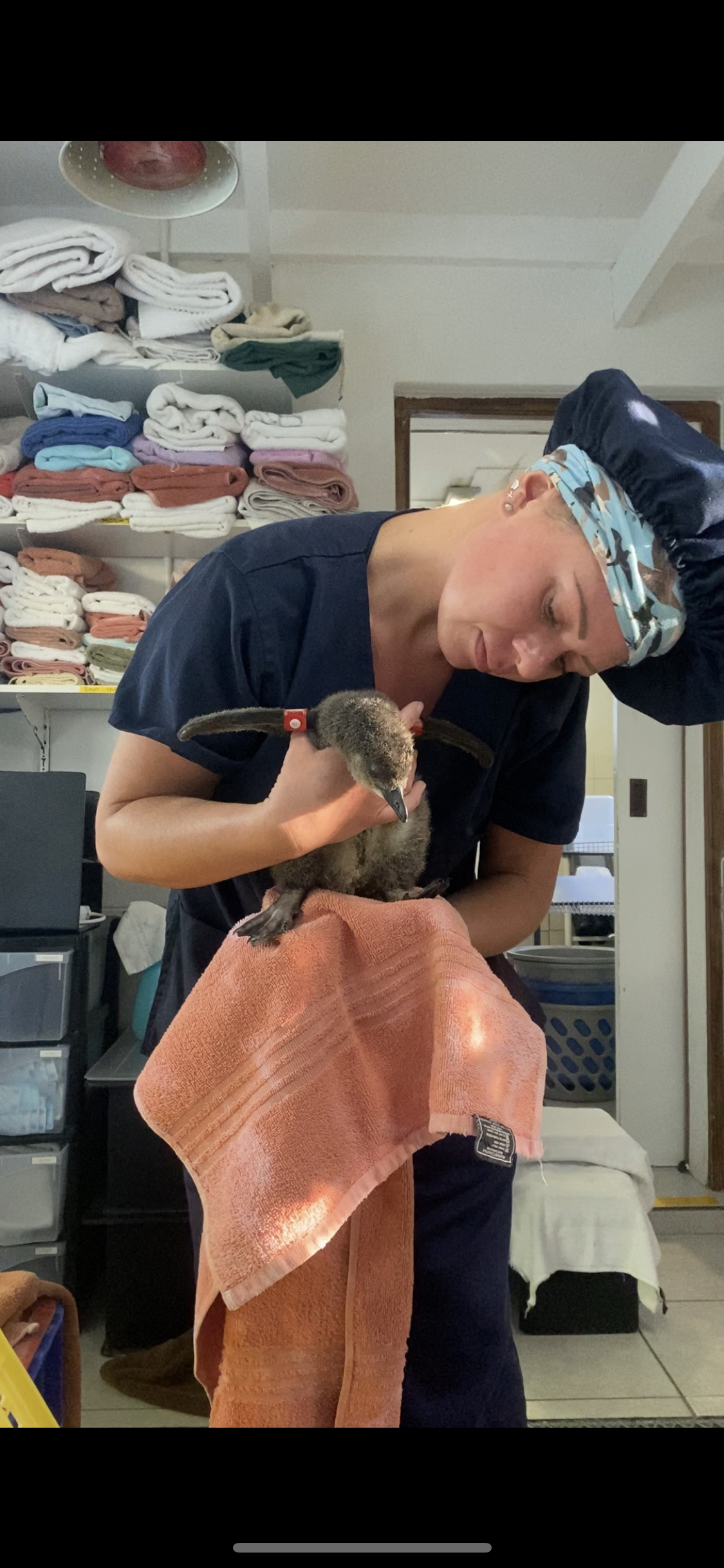
At SANCCOB in Cape Town, my work centered in the Chick Rearing Unit, where every day began the same way: with a room full of growing penguins and the quiet, constant responsibility of keeping them alive and on track.
Each morning started with weighing every chick and tracking even the smallest changes from the day before. Those numbers mattered. They guided everything that followed, from calculating precise diet formulations to determining how each individual would be fed. Throughout the day, I prepared and tube-fed each chick, sometimes up to four times daily, balancing efficiency with careful, individual attention. Alongside chick care, I managed artificial egg incubation, monitoring development through daily weighing and candling, and documenting each stage from intake to hatch. It was meticulous work, where consistency and attention to detail made all the difference.
In between feedings and checks, the focus shifted to maintaining a clean, controlled environment. Daily sanitation of the facility was essential to protect a cohort that was highly vulnerable to disease, especially in a setting where many individuals were raised in close proximity. Outside of the Chick Rearing Unit, I supported other areas of the facility as needed. That included feeding larger chicks in the nursery, assisting in the rehabilitation center, providing supportive care and physical therapy to recovering birds, and working alongside the veterinary team.
What stood out most during my time at SANCCOB was the level of precision and care maintained in an environment powered largely by volunteers and interns. It was a system built on training, trust, and shared commitment, where even under constant pressure, the standard of care never slipped. It was a place that made clear how much coordinated, detail-driven effort it takes to give each bird a chance.
Animal Care Volunteer
Pacific Rim Conservation
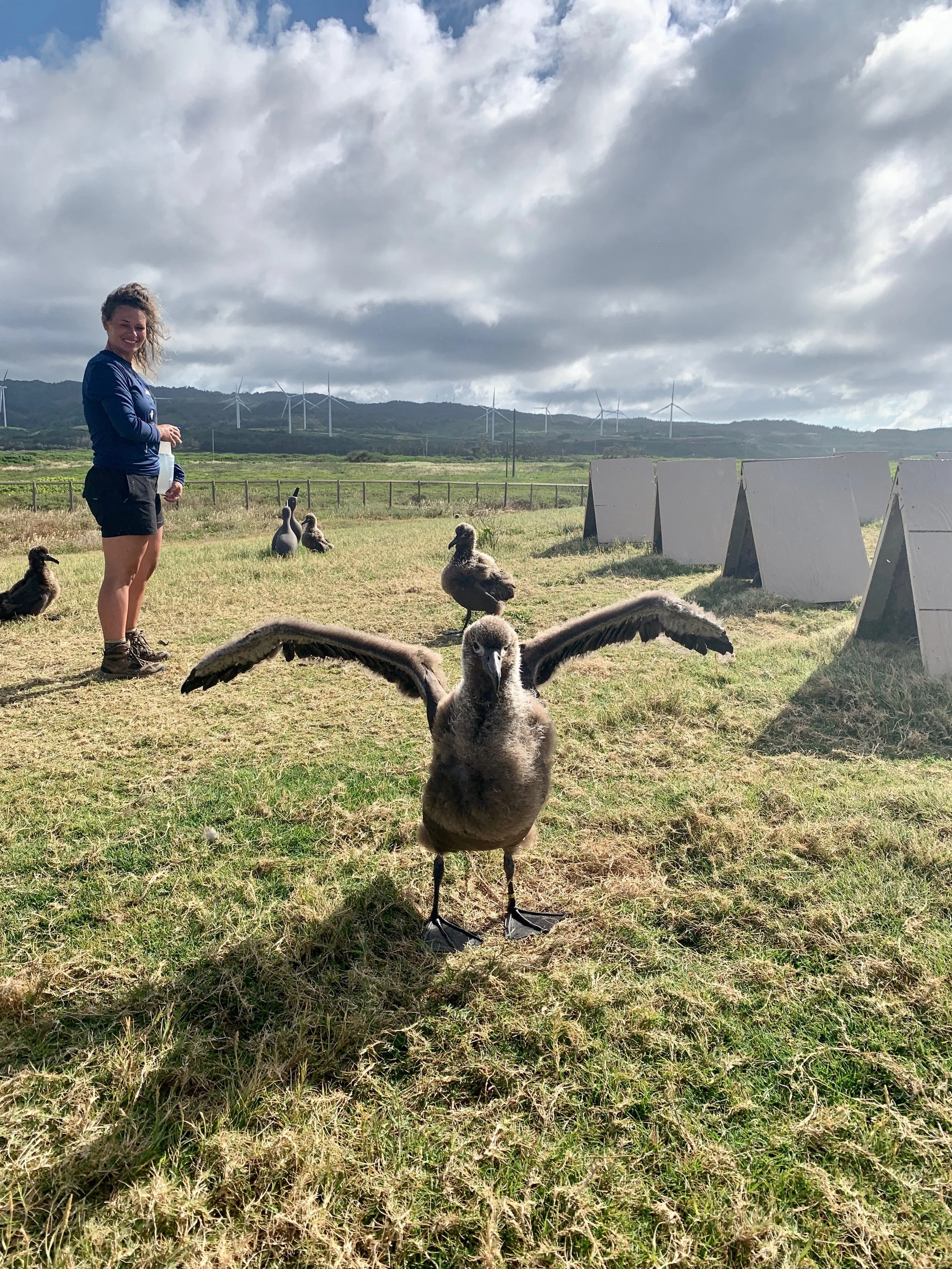
Before joining Pacific Rim Conservation as staff, I began as a volunteer, working alongside the team while completing my undergraduate degree.
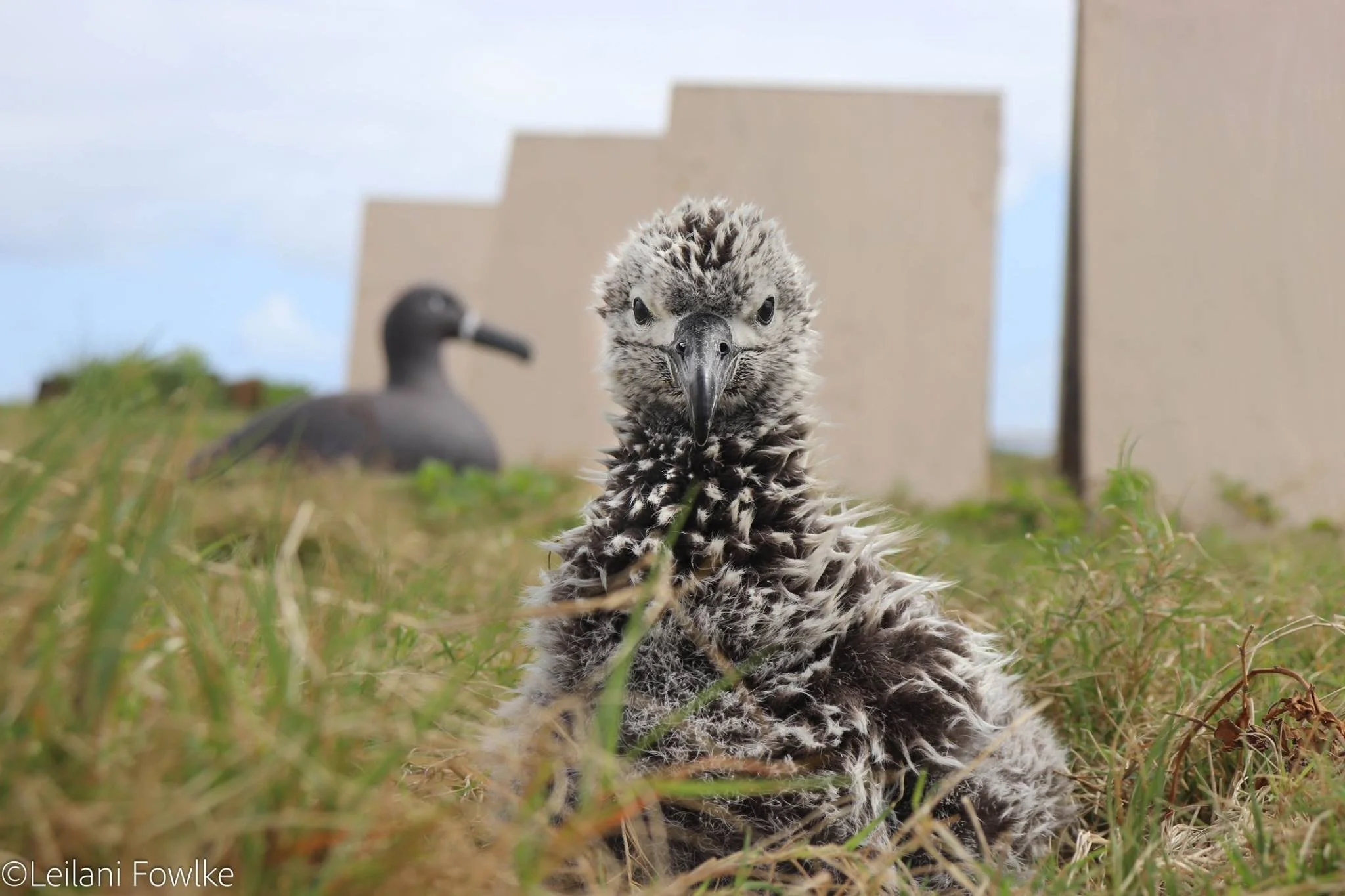
Much of my time was spent behind the scenes, supporting the daily rhythm of seabird translocation. I prepared diet syringes, recorded feeding and growth data, and helped move Laysan and Black-footed Albatross chicks between burrows and feeding stations. I also took on the essential, if less visible, work of cleaning and sanitizing every tool used in chick care, helping maintain the strict hygiene standards required to keep the cohort healthy.
It was detail-oriented, repetitive work, but it was also where I learned the foundation of good conservation. Every task, no matter how small, contributed to the survival of each chick. That experience grounded me in the discipline, consistency, and care that would shape the rest of my work in seabird conservation.

Marine Mammal/ Eider Fellow
Alaska SeaLife Center
As a fellow, I stepped into the daily operations of a working animal care facility, where consistency, precision, and teamwork shaped everything we did. I assisted in preparing diets for a wide range of species, most frequently supporting the marine mammal and avian departments. Each diet required careful attention to nutritional balance, portioning, and timing, reinforcing how much thoughtful planning goes into even the most routine aspects of animal care.
Much of the work, as is often the case, happened in the background. Cleaning and sanitation were constant, ensuring that both animals and staff operated in a safe, healthy environment. Alongside this, I supported behavioral and operant conditioning training, helping reinforce positive behaviors that made daily care, medical procedures, and enrichment both safer and more effective. It was an experience that highlighted the foundation of good animal care: repetition, attention to detail, and a deep respect for the routines that keep animals healthy and thriving.
Sea Otter Research and Care (SORAC) Intern
Monterey Bay Aquarium
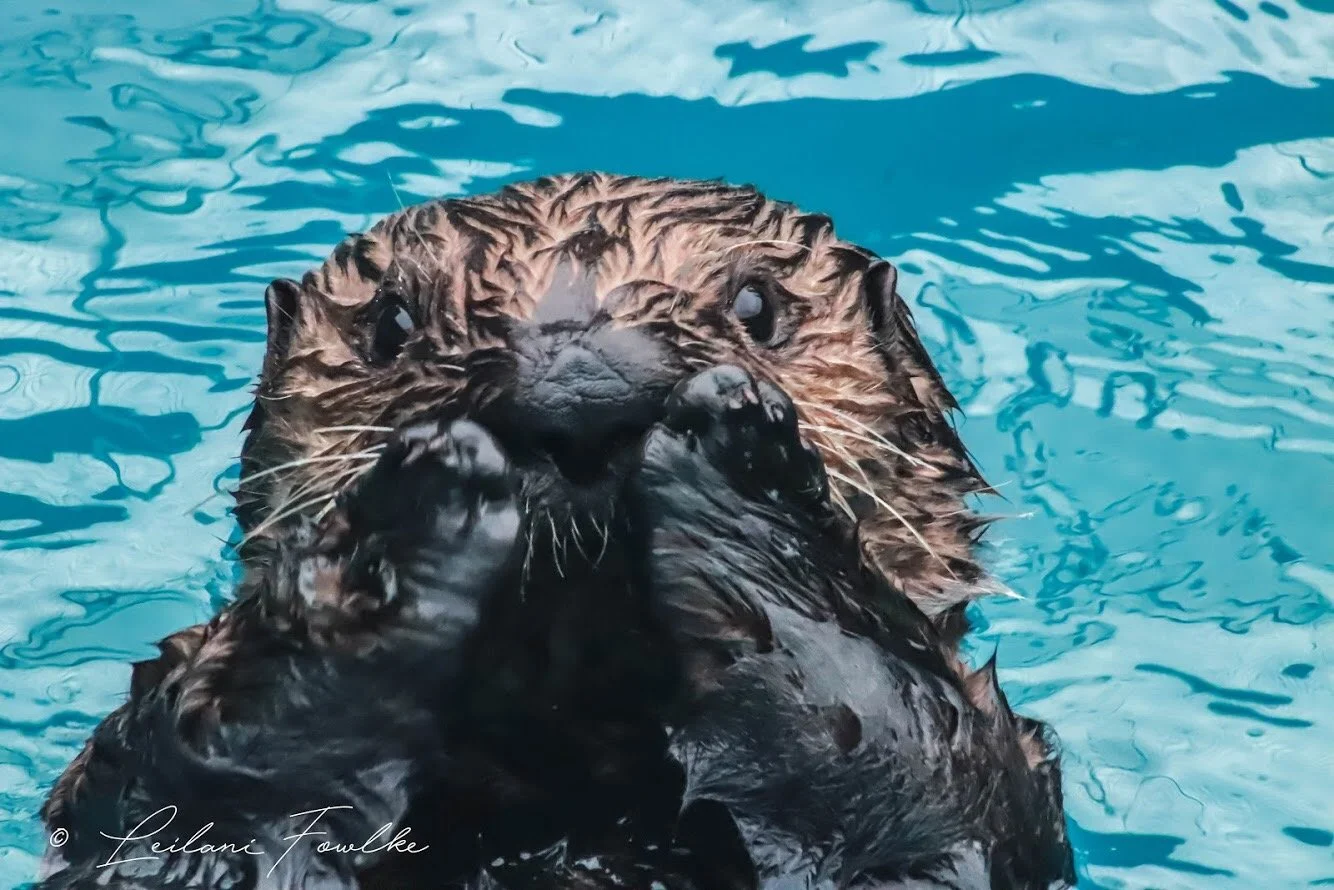
On the SORAC team, I worked with one of the most hands-on and delicate forms of wildlife care: rehabilitating Southern Sea Otters and raising orphaned pups for reintroduction.
My days were structured around the needs of the animals. I prepared diets and fed rehabilitating otters up to three times daily, maintaining the careful balance required to support recovery. Between feedings, I cleaned and sanitized holding pools and monitored behavior through remote cameras, watching for the subtle changes that signal progress, stress, or readiness for the next stage of care. Some of the most meaningful work was with orphaned pups. I prepared bottles, fed them, and assisted with grooming, helping replicate the maternal care they would normally receive in the wild. This early care was critical, not just for their survival, but for preparing them to eventually be paired with a surrogate female who could teach them how to be otters. It was patient, detail-driven work, often quiet and repetitive, but deeply important. Every step was part of a larger process aimed at one goal: returning a fully capable animal back to the ocean.
CoFounder
Kaikoa Conservation
With Kenzie Painter, I co-founded Kaikoa Conservation, an initiative built on a simple idea: that meaningful conservation work should be both accessible and global.
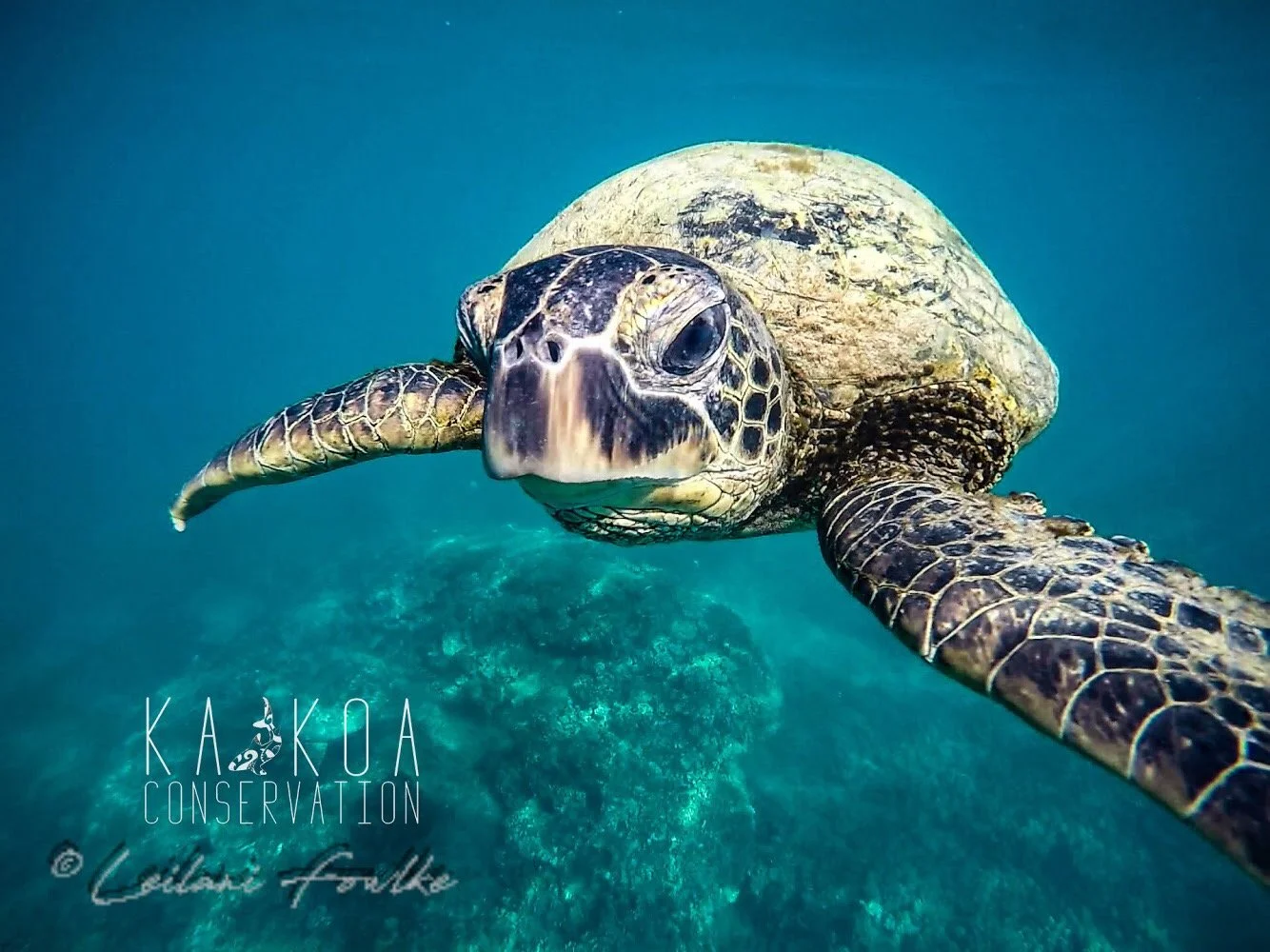
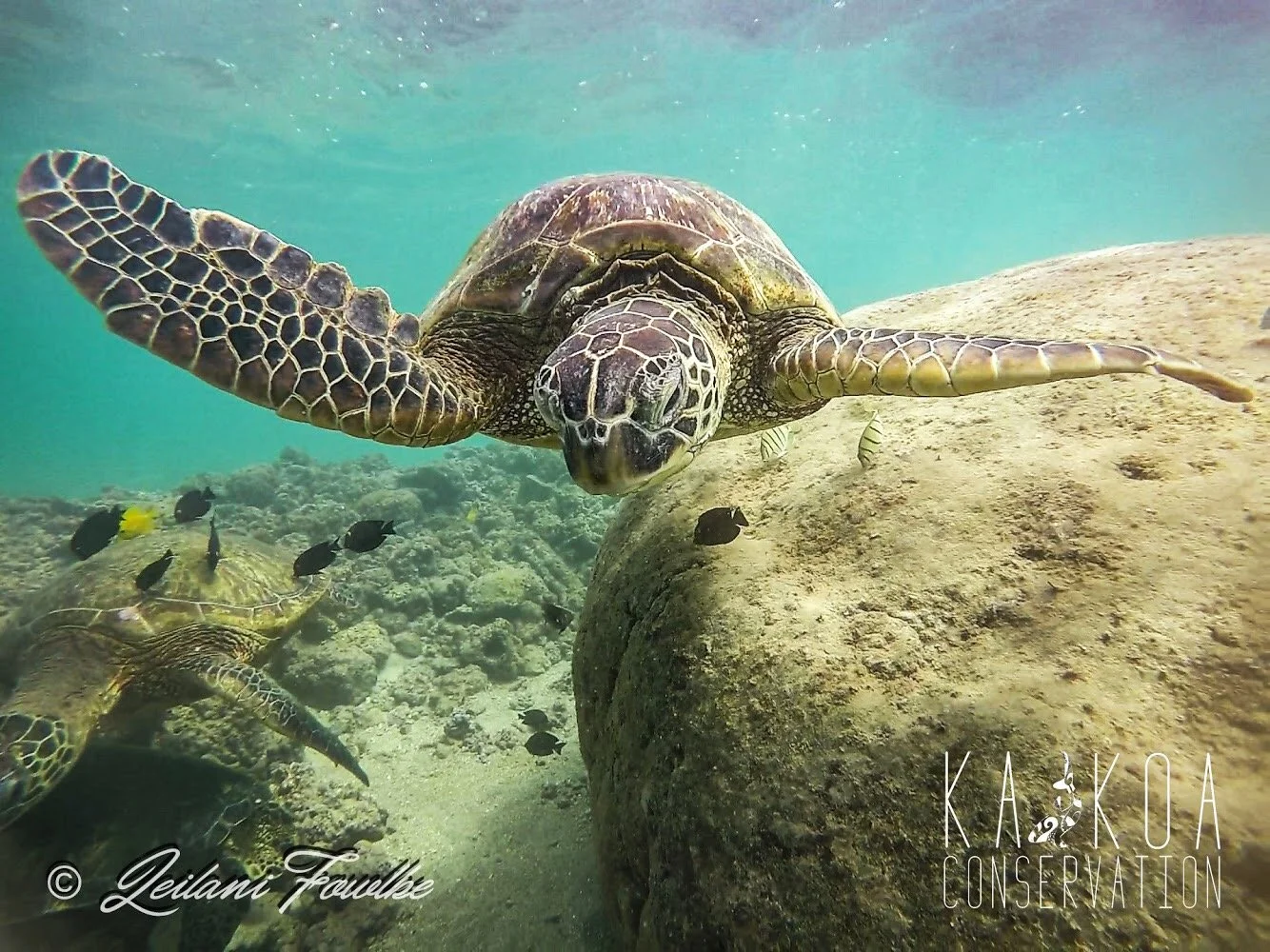
Our work took us across coastlines and ecosystems, from Hawai‘i to Indonesia to Australia, where I led and supported a range of field-based research projects. I conducted behavioral studies on Hawaiian green sea turtles and pinnipeds, spending long hours observing movement patterns, interactions, and habitat use. At the same time, I managed coral and mangrove recruitment research, tracking early-stage ecosystem recovery in environments where even small changes can shape the future of entire coastlines.
But Kaikoa was never just about data collection. It was about creating pathways into conservation for others.
Through our ambassador program, we connected aspiring conservationists to hands-on opportunities and built a community centered around curiosity, responsibility, and action. In parallel, I helped organize and support beach and habitat cleanups across Hawai‘i, California, Utah, Mexico, and Australia, bringing together local communities to take part in the work of protecting their own environments.
I also led our visual storytelling and outreach efforts, working as our in-house photographer, content creator, and school presenter. Whether in classrooms or online, the goal was the same: to translate science and fieldwork into something people could connect with, understand, and feel a part of.
Kaikoa became a space where research, outreach, and community intersected. A reminder that conservation is not confined to one place, and that the next generation of scientists, advocates, and field biologists is already out there, just waiting for a way in.

Research Assistant
One Ocean Diving
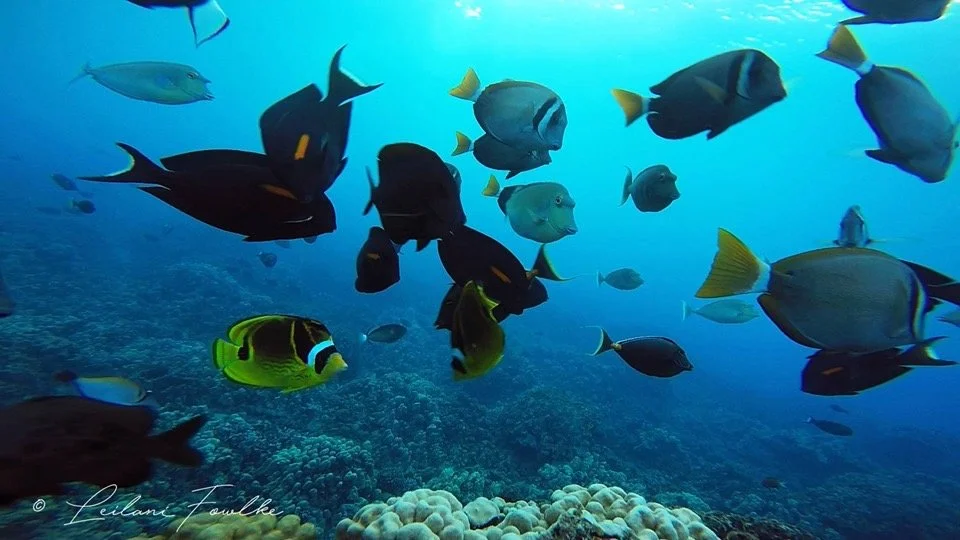
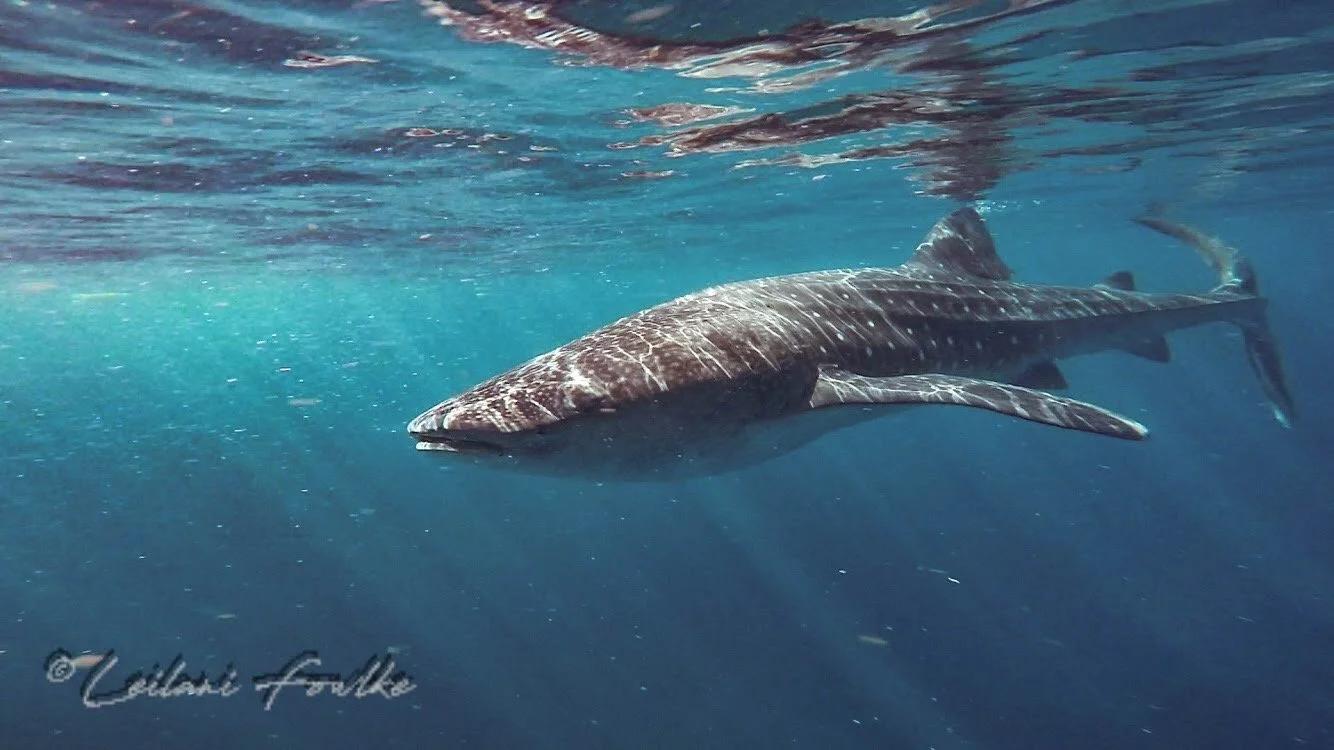
While interning with One Ocean Diving, my work centered on understanding sharks both in and out of the water. In the field, I conducted in-water behavioral observations of Galápagos and sandbar sharks, documenting movement, interactions, and patterns that are difficult to capture from the surface. These dives required patience and awareness, learning to read subtle shifts in behavior while existing, briefly, within their world. Back on land, I supported data collection and organization, helping translate those observations into usable datasets that contributed to ongoing research and conservation efforts.
Equally important was the outreach. When not in the field, I worked to connect people to the species I had just spent time with, visiting classrooms, organizing beach cleanups, and creating content that challenged common perceptions of sharks. The goal was to replace fear with understanding, and distance with connection. It was an experience that underscored something I’ve carried forward in my work: conservation doesn’t end with research. It becomes meaningful when people are brought into the story.
Refuge Volunteer
James Campbell National Wildlife Refuge
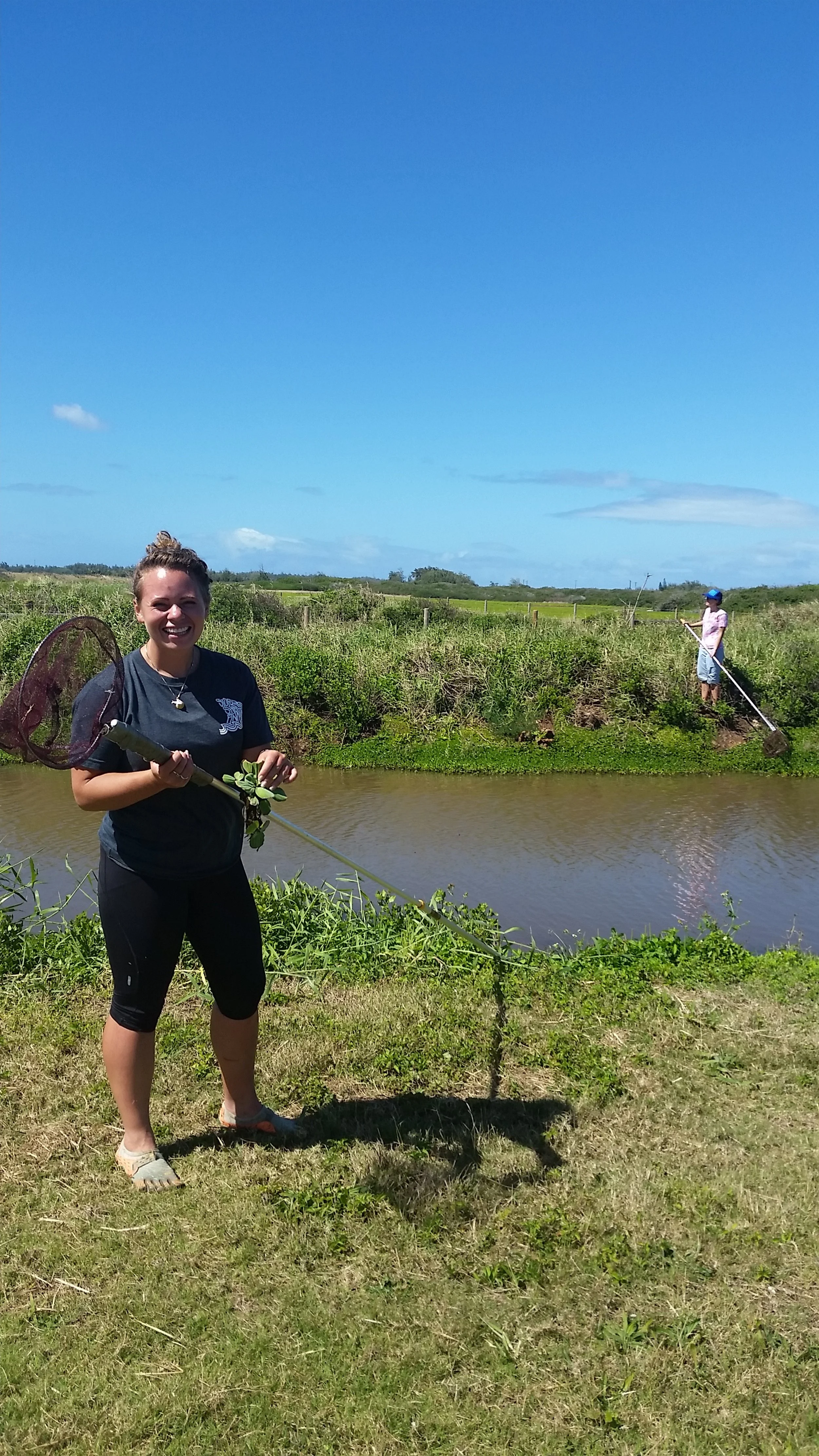
While volunteering at James Campbell National Wildlife Refuge, my work unfolded across the landscape in small, steady actions that supported much larger ecological processes. Much of my time was spent working independently, removing invasive plant species and maintaining native outplantings in the early stages of restoration, before greenhouse infrastructure was in place. It was quiet, physical work, often repetitive, but essential in giving native ecosystems the space and resources to recover.
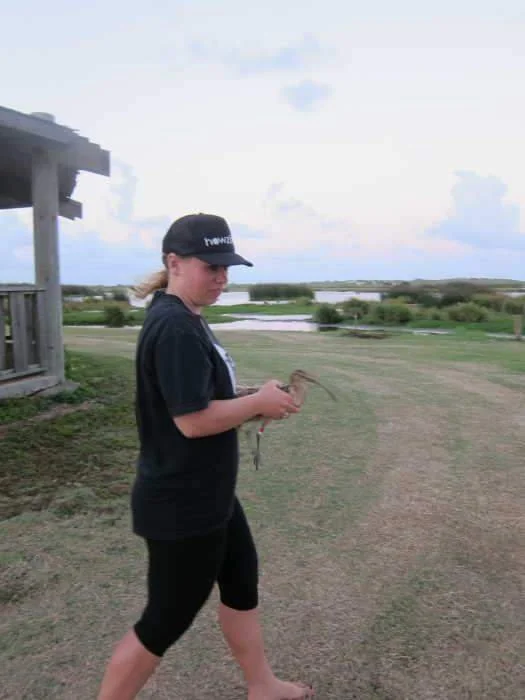
Interspersed with that were moments of field research and monitoring. I assisted in resighting and capturing Bristle-thighed Curlews, using careful observation and coordinated effort to track individuals across the refuge. I helped excavate sea turtle nests, documenting their contents and outcomes, and used radio telemetry to locate returning migratory birds, following signals across the landscape to better understand movement and site fidelity.It was a place where restoration and research existed side by side, and where even the smallest tasks contributed to a much larger effort to protect and understand a dynamic coastal ecosystem.