
Outreach and Training Experience
Critically Endangered Monarch Incubation and Rearing Lead
Société d'Ornithologie de Polynésie (MANU) (SOP Manu)
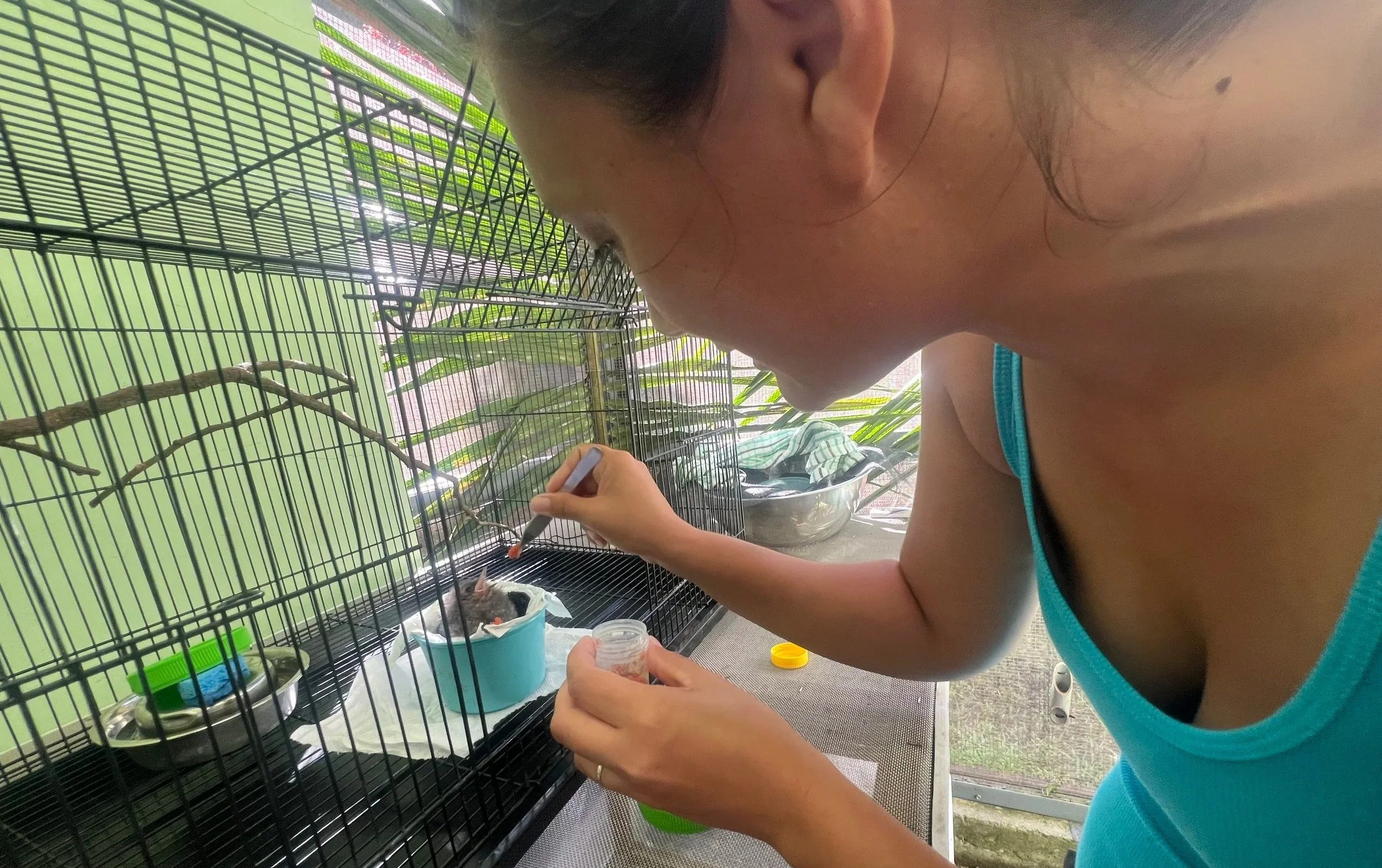
On Fatu Hiva and Tahiti, conservation work extended beyond the chick in front of us. It was about beginning to build the skills and knowledge needed for this work to continue locally.
Working alongside the Société d'Ornithologie de Polynésie (SOP Manu), I helped train staff in artificial incubation, chick-rearing techniques, sanitation protocols, and behavioral management for two of the most endangered birds in the Pacific. The focus was on establishing a strong foundation and providing hands-on, introductory experience in a field that typically takes years to master.
Training was immersive and collaborative. We worked side by side through each stage of development, adapting protocols in real time and building confidence through practice. Each step forward became part of a growing skill set the team could continue to develop over time.
This work was never just about a single success. It was about creating a starting point—one that supports continued learning, refinement, and long-term conservation led by the people closest to these species.
Chick-rearing Specialist/ Research Assistant I
San Diego Zoo Wildlife Alliance Mariana Crow Recovery Project
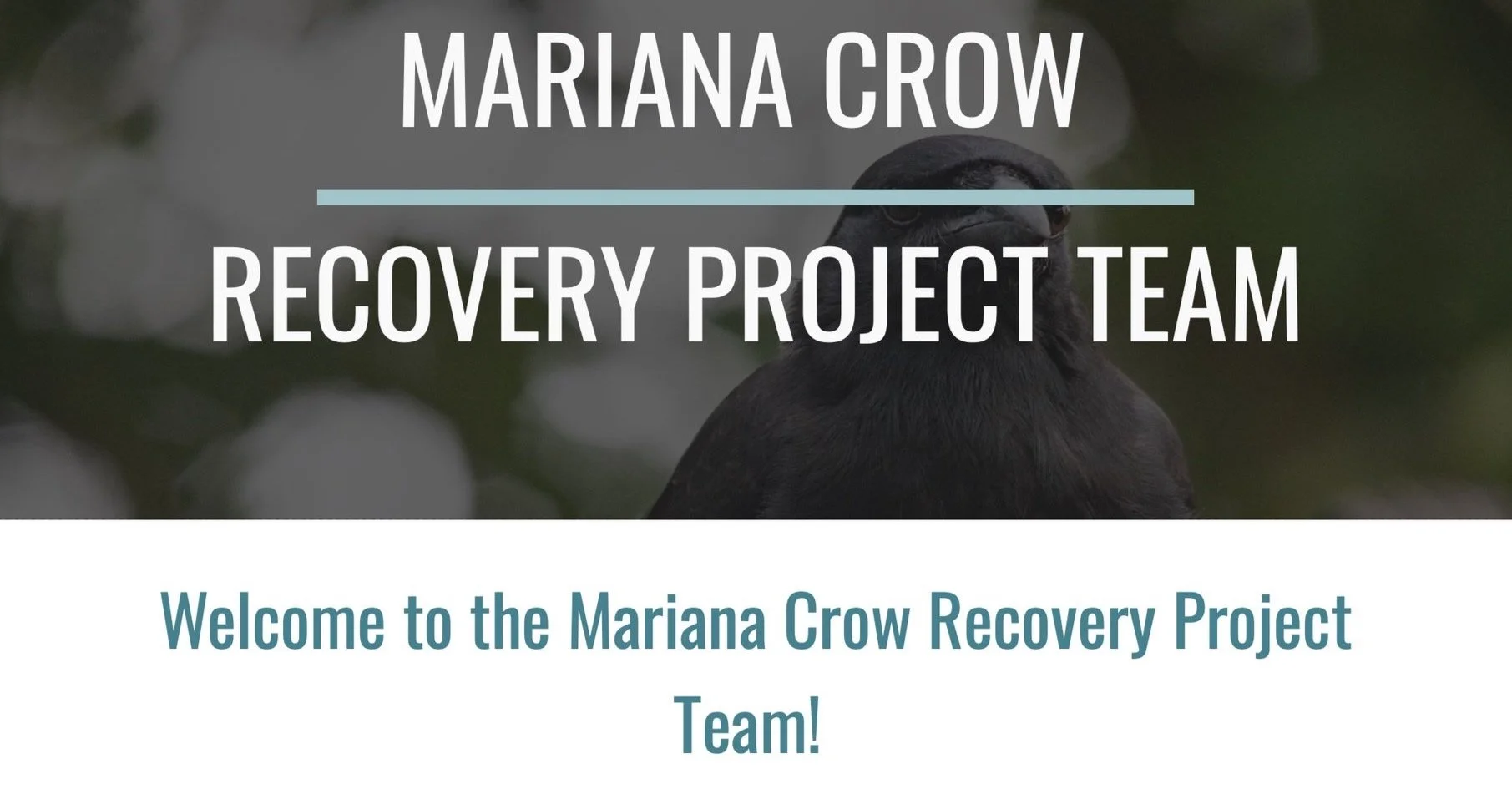
To strengthen both training and consistency within the Mariana Crow Recovery Project, I developed a comprehensive training website for the team responsible for hand-rearing Aga chicks.
The goal was simple, but important: make sure that every new staff member, intern, and volunteer arrived prepared, supported, and able to contribute without compromising the quality of care. Working in a remote setting like Rota comes with a steep learning curve, and when you’re caring for a critically endangered species, mistakes carry real consequences. The website served as a centralized resource, guiding new team members through daily protocols, expectations, and the nuances of chick-rearing in a way that was accessible, practical, and immediately useful.
Alongside this, I drafted and refined rearing and care protocols with the team to ensure that knowledge was not just passed on informally, but documented and repeatable. The intention was to build something that would last beyond my time there, improving both the efficiency of training and the consistency of care across seasons.
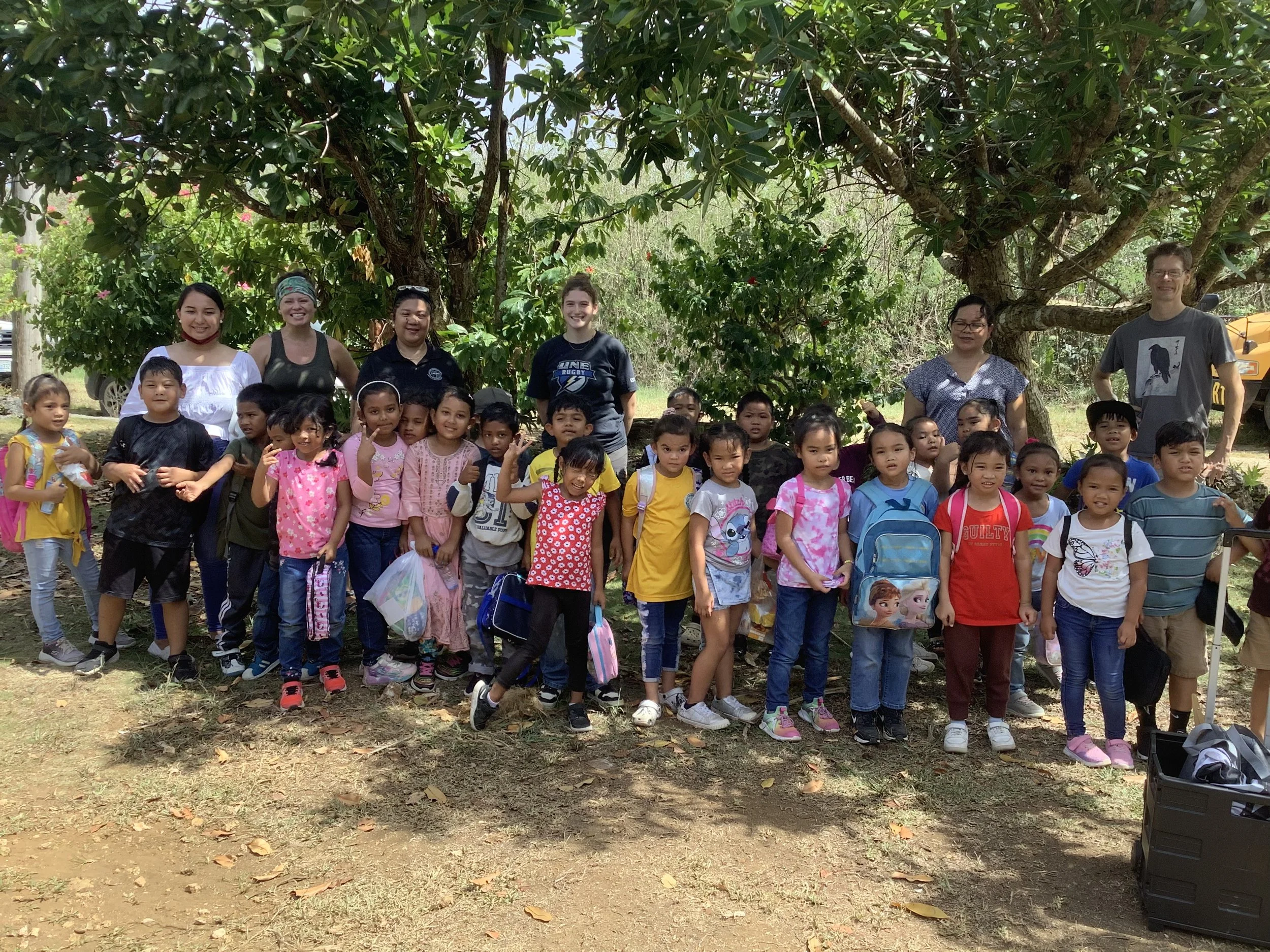
Equally important was connecting the work back to the local community. I helped host tours and activity days for roughly half of the island’s elementary students, inviting them into the chick-rearing facility to see conservation in action. I also participated in broader community outreach events, including island-wide festivals, sharing the story of the Aga and the efforts to protect it.
That combination of building internal capacity and fostering local engagement felt essential. Conservation doesn’t succeed in isolation, it succeeds when the people closest to a species feel connected to its future.
Animal Care Coordinator
Pacific Rim Conservation
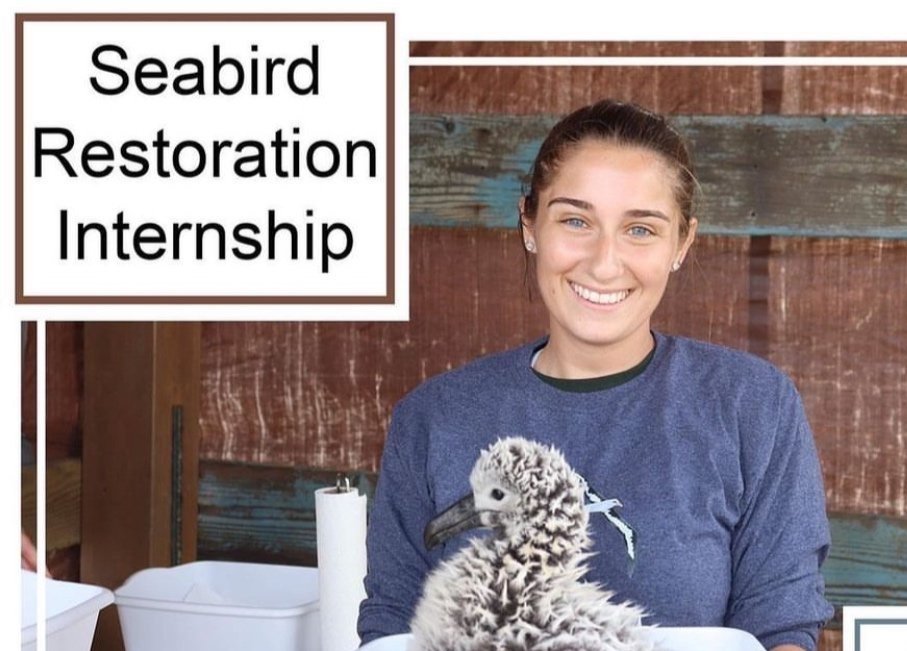
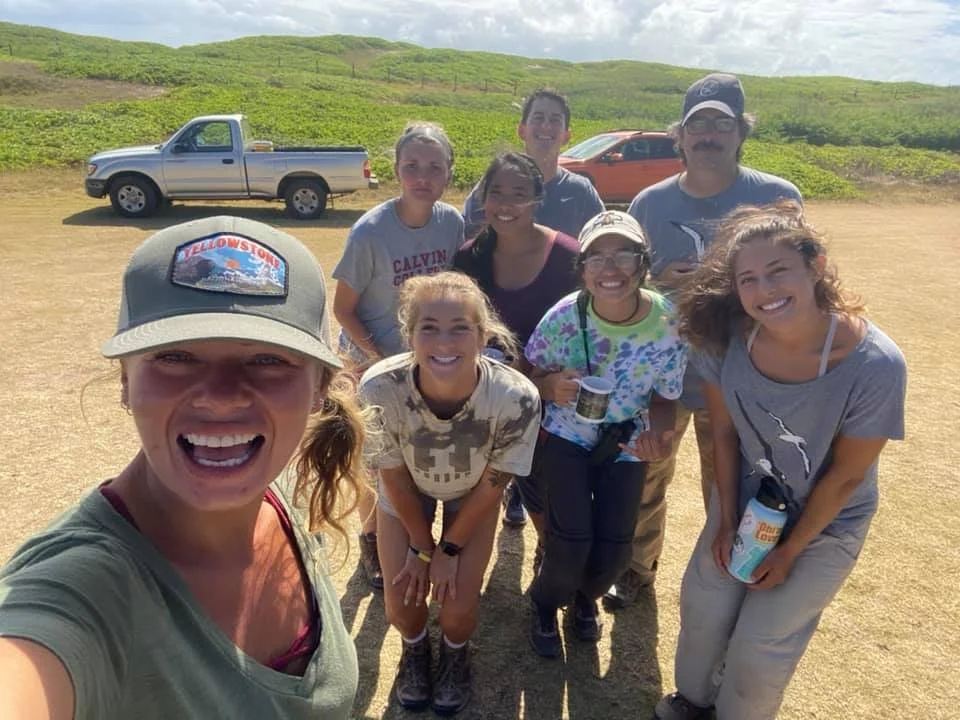


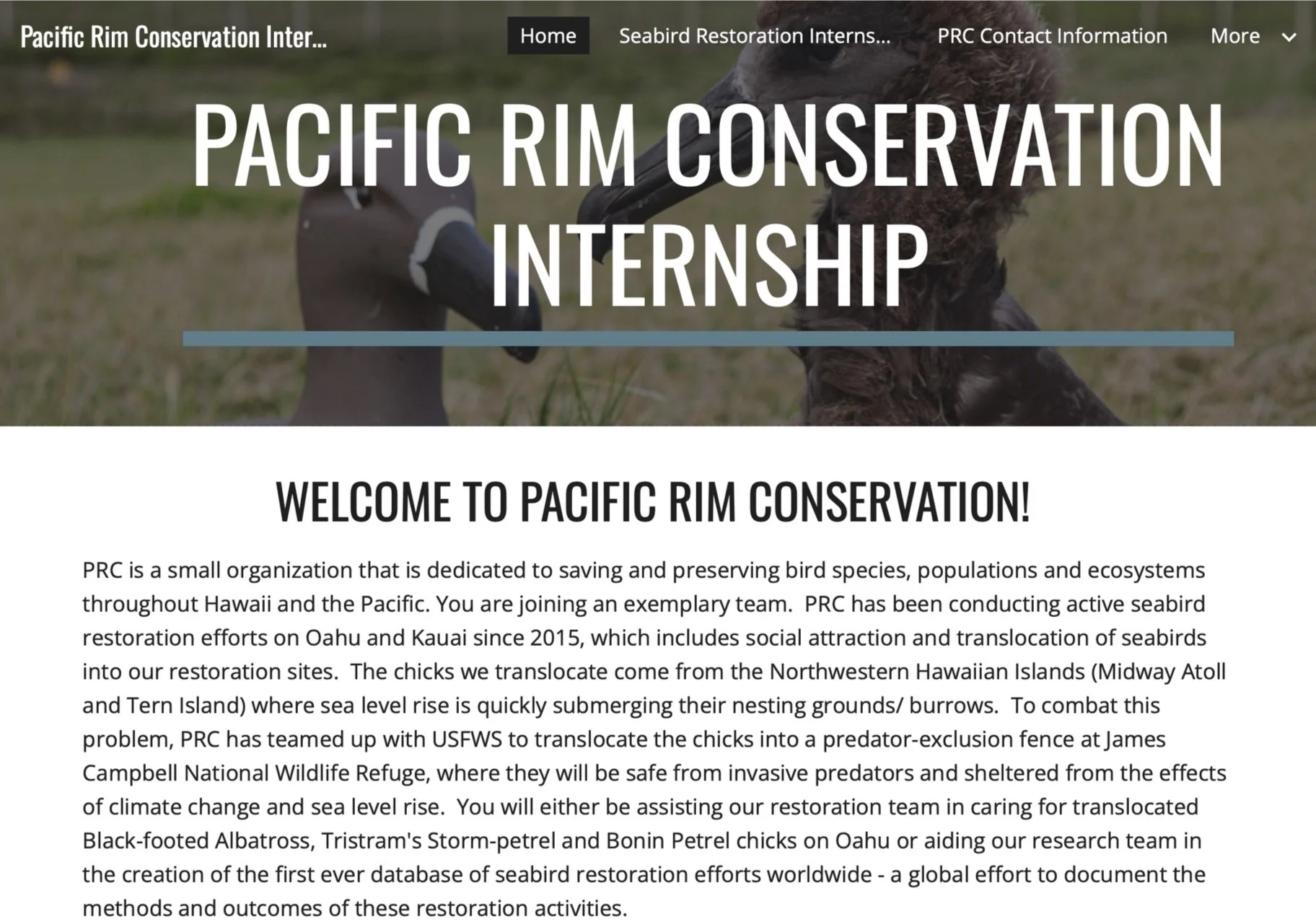
In 2018, my work with Pacific Rim Conservation expanded beyond the field and into something just as critical: building the human network behind the conservation effort.
At the time, seabird translocation on O‘ahu was gaining momentum, but like many conservation programs, its success depended on people—people willing to show up early, work long days, and care deeply about species they may have never seen before. I took on the role of Outreach Coordinator to help make that possible.
Over the next two years, I recruited, trained, and coordinated more than 90 volunteers, each one becoming part of the daily rhythm of the project. But bringing people in was only the beginning. The real work was making sure they felt prepared and connected to what they were doing.
To bridge that gap, I developed a translocation curriculum for classrooms and a field-based curriculum for visitors stepping onto the site for the first time. In schools, I introduced students to the science and urgency of seabird conservation. In the field, I walked groups through active translocation sites, where downy chicks and carefully constructed burrows told a much bigger story about survival and return.
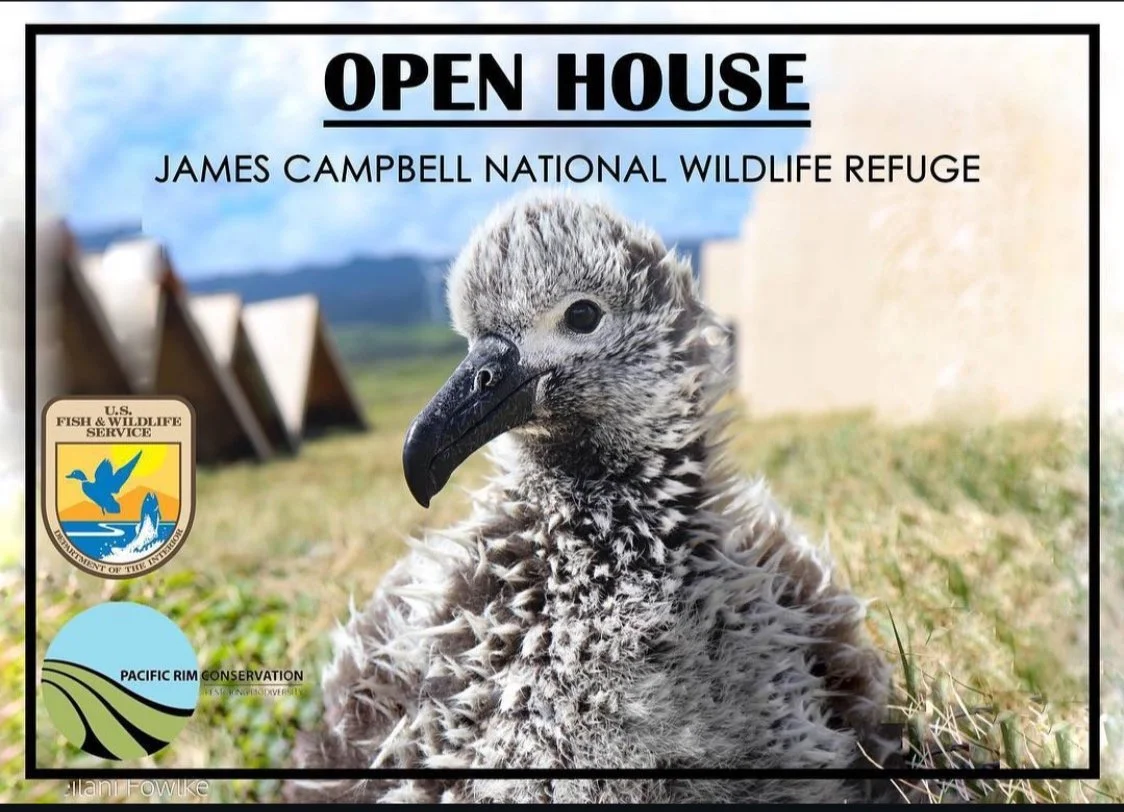
Over time, I coordinated and hosted more than 60 school groups, community organizations, and visiting partners at James Campbell National Wildlife Refuge. That included launching the first open house events at the translocation site, opening a space that is usually quiet, controlled, and out of view. For many visitors, it was the first time seeing conservation not as an idea, but as something happening in real time.
As the program grew, so did the need for structure. In 2019, I built Pacific Rim Conservation’s first formal internship program from the ground up. I led recruitment, interviews, hiring, and training, and created a resource and training platform to support interns, staff, and volunteers as they stepped into the work. The goal was simple: give people the tools and confidence to contribute meaningfully from day one.
The program took hold quickly. What began as a small initiative became a lasting part of the team, running through 2022 and helping shape both the field program and the people within it.
That experience changed how I think about conservation. Protecting species is only part of the work. The rest lies in bringing people into the process, giving them the knowledge, the context, and the sense of responsibility that turns a single project into something much bigger.